

Safe Natural Pain Relief for Dogs: 7 Proven Methods
Table of Contents
- Understanding Chronic Pain in Dogs
- Signs Your Dog Is in Pain: What to Watch For
- Natural Pain Relief Methods That Work
- Turmeric for Dogs Dosage: Getting It Right
- Drug-Herb Interactions: Safety Considerations
- When to See a Vet for Dog Pain
- Breed-Specific Pain Management Approaches
- Creating Your Dog's Natural Pain Relief Plan
Last Updated: August 9, 2026
Understanding Chronic Pain in Dogs
Chronic pain in dogs persists for months or years, often from arthritis, hip dysplasia, or age-related musculoskeletal degeneration. Many owners assume pain management requires prescription medications, but natural pain relief offers a complementary approach that addresses inflammation without the side effects of long-term NSAID use.
Natural remedies work by reducing inflammation at the source, supporting joint mobility, and promoting healing through ingredients like omega-3 fatty acids and herbal compounds used for decades in veterinary practice. While medications may mask pain quickly, natural approaches build relief gradually by addressing underlying inflammation. Starting early, before severe degeneration occurs, yields better long-term outcomes.
Signs Your Dog Is in Pain: What to Watch For
Your dog can't tell you when they hurt, so recognizing pain signals is essential. Common signs include limping, reluctance to jump or climb stairs, stiffness when rising after rest, and decreased activity levels. Subtle indicators include reluctance to play, loss of appetite, excessive licking of joints, or behavioral changes like irritability or withdrawal.
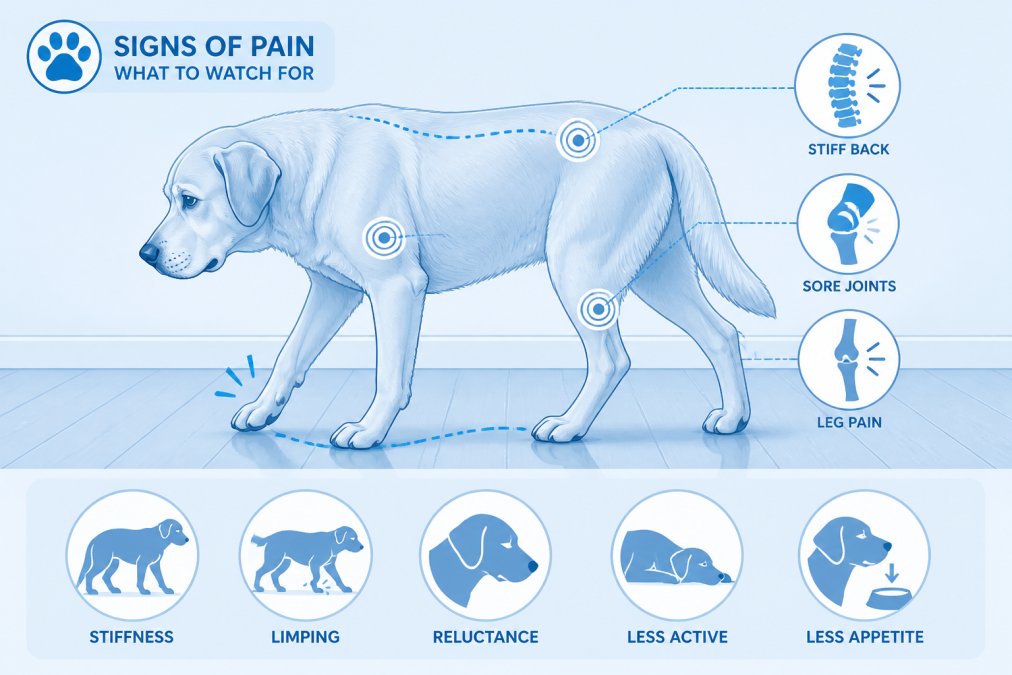
Pain often manifests through postural changes. A dog experiencing joint pain may stand with rear legs tucked under their body or avoid putting weight on an affected limb. During winter or after rest, stiffness may be particularly noticeable. Behavioral shifts matter too, a dog that once loved fetch might refuse to retrieve, or a dog that slept soundly might pace at night.
Natural Pain Relief Methods That Work
Natural pain relief for dogs encompasses several evidence-based approaches that reduce inflammation and support joint health. Combining supplements, physical therapies, and lifestyle adjustments produces better results than any single intervention alone.
1. Omega-3 Fatty Acids and Fish Oil
Omega-3 fatty acids reduce inflammatory markers and support joint mobility. Fish oil, derived from cold-water fish, contains EPA and DHA, the two most bioactive omega-3 forms. Many dog owners report visible improvements in mobility within 4-6 weeks of consistent supplementation.
Quality matters significantly. Look for products that specify EPA and DHA content and come from reputable manufacturers.
2. Glucosamine and Chondroitin for Joint Support
Glucosamine supports cartilage synthesis and may slow cartilage degradation, while chondroitin helps cartilage retain water, maintaining elasticity and cushioning. These supplements work best for dogs with early to moderate joint degeneration, with results typically appearing after 4-8 weeks of consistent use.
Dosage depends on your dog's weight. Veterinary guidance ensures you're providing therapeutic amounts. Combination products that include glucosamine, chondroitin, and MSM often provide synergistic benefits for joint support.
3. Turmeric and Curcumin
Turmeric contains curcumin, a powerful anti-inflammatory compound that rivals some pharmaceutical anti-inflammatories in potency. Unlike NSAIDs, which can cause gastrointestinal upset and liver stress with long-term use, turmeric supports digestive health.
Pairing turmeric with black pepper (which contains piperine) or fat increases absorption significantly. Combined with omega-3s and physical therapy, it produces noticeable reductions in inflammation and stiffness within 2-3 to 6-8 weeks.
4. Boswellia for Anti-Inflammatory Relief
Boswellia, derived from frankincense resin, has been used in Ayurvedic medicine for centuries. Modern research confirms its anti-inflammatory properties work through different mechanisms than turmeric, making it an excellent complement to curcumin-based protocols. This herb is particularly effective for dogs with arthritis and chronic joint inflammation.
Boswellia is well-tolerated in dogs and rarely causes side effects, making it suitable for long-term use even in senior dogs with multiple health conditions.
5. CBD and Hemp-Based Products
CBD (cannabidiol) from hemp plants interacts with the body's endocannabinoid system, which regulates pain perception, inflammation, and immune function. Unlike THC, CBD doesn't produce psychoactive effects. Railroad Remedies (RXR) offers Relief CBD K9 Tinctures in bacon or peanut butter flavors, designed for dogs experiencing arthritis pain, hip and joint discomfort, and related inflammatory conditions.

CBD works through multiple pathways: reducing inflammatory markers, supporting pain modulation, and promoting relaxation. Consistent use over 2-4 weeks typically produces noticeable improvements, with some dogs becoming noticeably more active and playful.
6. Massage Therapy and Physical Therapy
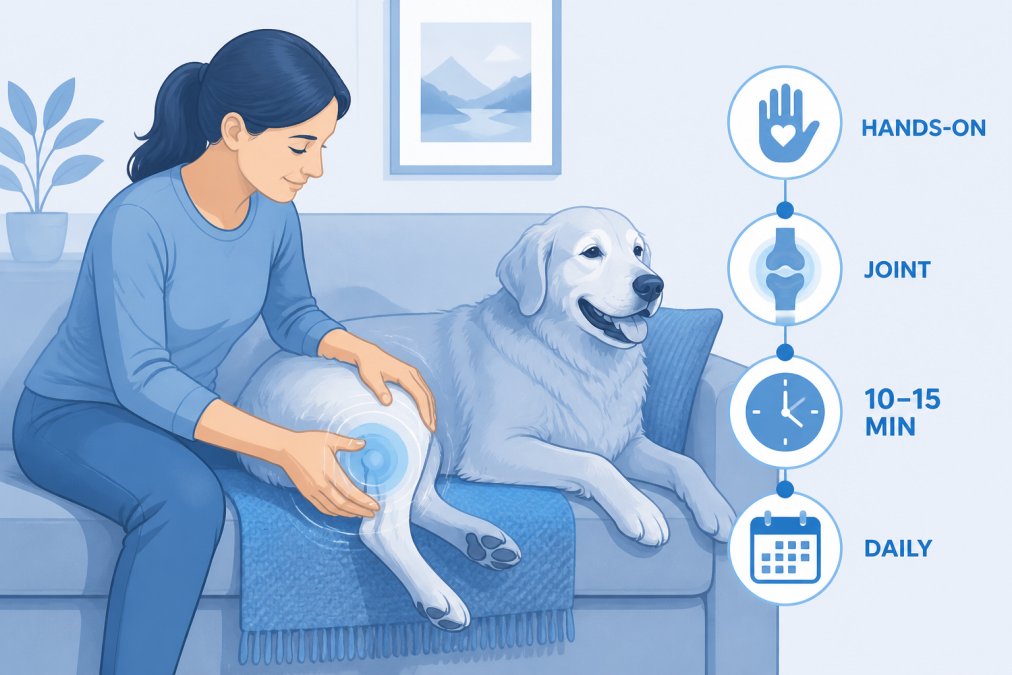
Hands-on therapeutic approaches reduce muscle tension, improve circulation, and support pain management without supplements or medications. A trained canine massage therapist can teach you techniques to use at home. Even 10-15 minutes of gentle massage several times weekly produces measurable improvements in mobility and comfort.
Water therapy and swimming are particularly valuable for dogs with joint pain. Buoyancy reduces stress on joints while allowing full range of motion. Many dogs with significant arthritis show dramatic improvements after starting regular swimming sessions.
7. Weight Management and Dietary Adjustments
Excess weight places direct stress on joints, accelerating degeneration and increasing pain. A dog at optimal weight experiences significantly less joint stress and often shows spontaneous improvement in mobility. Weight loss combined with other natural interventions produces faster, more dramatic results than any single approach.
Dietary adjustments support both weight management and inflammation reduction. Diets rich in omega-3s, antioxidants, and whole foods reduce systemic inflammation more effectively than processed commercial diets. Adding joint-supporting foods like bone broth for collagen or leafy greens for antioxidants provides nutritional support alongside supplements.
Turmeric for Dogs Dosage: Getting It Right
The appropriate turmeric for dogs dosage depends on your dog's weight and the specific product formulation. A general guideline is 15-20 mg of curcumin per pound of body weight daily, divided into two doses. For a 50-pound dog, this translates to approximately 750-1000 mg of curcumin daily.
Reading product labels carefully, specifically looking for curcumin content rather than total turmeric weight, ensures you're providing therapeutic amounts. Starting with a lower dose and gradually increasing over one week minimizes digestive upset.
Consistency matters more than precision. Giving turmeric daily at slightly lower doses produces better results than occasional high doses. Most dogs show noticeable improvement in mobility and stiffness after 4-6 weeks of consistent supplementation at appropriate dosages.
Drug-Herb Interactions: Safety Considerations
Natural doesn't automatically mean safe when combined with medications. Turmeric and boswellia both have mild blood-thinning properties. Dogs taking anticoagulant medications should use these herbs only under veterinary supervision. Fish oil also has mild blood-thinning effects and combined with NSAIDs may increase bleeding risk.
CBD can affect how the liver metabolizes certain medications, potentially increasing or decreasing drug levels in the bloodstream. Dogs taking medications metabolized through the cytochrome P450 pathway should start CBD only with veterinary guidance and appropriate monitoring.
Always inform your veterinarian about every supplement your dog takes, including dosages. This transparency allows your vet to identify potential interactions and adjust protocols as needed.
When to See a Vet for Dog Pain
Acute pain, sudden lameness, inability to bear weight, or obvious injury requires immediate veterinary evaluation. These situations may indicate fractures, ligament tears, or other conditions requiring different treatment approaches than chronic pain management.
Your veterinarian should establish a baseline diagnosis through X-rays or other diagnostics to confirm the underlying condition and rule out treatable problems. Schedule a veterinary visit if your dog shows no improvement after 6-8 weeks of consistent natural pain relief treatment. Also seek veterinary care if your dog develops new symptoms: swelling, heat around joints, fever, or behavioral changes suggesting pain has worsened.
Regular veterinary check-ups, ideally every 6-12 months for dogs with chronic conditions, monitor disease progression and ensure your natural pain management protocol remains appropriate as your dog ages.
Breed-Specific Pain Management Approaches
Different dog breeds develop pain and joint problems at different rates. Large and giant breeds like German Shepherds, Labradors, and Great Danes are predisposed to hip dysplasia and early-onset arthritis. Small breeds like Dachshunds and Chihuahuas often develop intervertebral disc disease causing back pain.
Large-breed puppies benefit from joint-support supplementation starting early, even before pain appears. Glucosamine, chondroitin, and omega-3s during growth phases support proper joint development and reduce arthritis risk later in life. Small breeds with back vulnerability benefit from weight management and controlled exercise. Senior dogs of all breeds benefit from comprehensive protocols combining multiple natural approaches.
Creating Your Dog's Natural Pain Relief Plan
A comprehensive natural pain relief plan integrates multiple approaches tailored to your dog's specific condition, age, and breed predispositions. Start by establishing a baseline with veterinary diagnostics to know what's causing the pain.
Begin with foundational supplements: omega-3 fatty acids and glucosamine-chondroitin form the base of most effective protocols. Allow 4-6 weeks for effects to appear, then assess whether additional interventions are needed. Layer in targeted remedies based on your dog's response. If inflammation remains high, add turmeric or boswellia. If pain persists, consider CBD or hemp-based products. If mobility remains limited, incorporate massage therapy or swimming.
Combine natural remedies with lifestyle modifications. Weight management directly reduces joint stress. Controlled exercise maintains muscle strength supporting joints. Orthopedic bedding reduces pressure on painful joints during rest. Monitor your dog's response systematically by keeping notes on mobility, pain indicators, and activity levels.
Review and adjust your plan every 6-12 months. As your dog ages, pain management needs evolve. Regular veterinary guidance ensures your protocol remains appropriate and effective as your dog's condition changes.
| Natural Pain Relief Method | Timeline to Results | Best For | Key Consideration |
|---|---|---|---|
| Omega-3 fatty acids | 4-6 weeks | Foundation for all dogs | Requires consistent daily use |
| Glucosamine/Chondroitin | 4-8 weeks | Joint degeneration | Works best in early-to-moderate arthritis |
| Turmeric/Curcumin | 4-6 weeks | Systemic inflammation | Pair with black pepper for absorption |
| Boswellia | 6-8 weeks | Chronic joint inflammation | Complements curcumin well |
| CBD tinctures | 2-4 weeks | Pain and anxiety | Requires veterinary dosing guidance |
| Massage therapy | Immediate (temporary) to cumulative | Muscle tension and circulation | Best 2-3 times weekly for sustained benefit |
| Weight management | 2-4 weeks (if weight loss occurs) | Joint stress reduction | Foundational for all pain management |
Creating a natural pain relief plan for your dog requires patience, consistency, and veterinary partnership. The most effective approach combines supplements, physical therapies, and lifestyle modifications tailored to your dog's specific needs. Many dogs experience substantial improvement in mobility and quality of life when given time and proper support. Work closely with your veterinarian to monitor progress, adjust protocols as needed, and ensure your dog receives comprehensive care that addresses both pain management and long-term joint health. Railroad Remedies (RXR) Relief CBD K9 Tinctures provide an option for dogs needing additional pain support, available at Railroad Remedies for dogs experiencing arthritis, hip dysplasia, and chronic joint discomfort.
Frequently Asked Questions
What are the safest natural pain relief options I can give my dog at home?
The safest options include omega-3 fish oil supplements, glucosamine with chondroitin for joint support, and turmeric with curcumin for inflammation. CBD products designed for dogs, like our Relief CBD K9 Tinctures, offer another natural alternative. Always start with lower doses and monitor your dog's response. Consult your veterinarian before introducing any new supplement to ensure it won't interact with existing medications.
How much turmeric for dogs dosage should I give my senior dog with arthritis?
Most veterinarians recommend 15-20 mg of curcumin per pound of body weight daily, split into two doses. For a 50-pound dog, that's approximately 750-1000 mg daily. Start at the lower end and increase gradually over two weeks. Always use turmeric formulated for dogs or a high-quality supplement with black pepper (piperine) to enhance absorption. Never exceed recommended doses without veterinary approval, as excessive turmeric can cause digestive upset.
When should I see a vet for dog pain instead of trying natural remedies at home?
See your vet immediately if your dog shows sudden severe limping, inability to bear weight, loss of appetite, behavioral changes, or signs of extreme distress. Schedule an appointment within a few days if pain persists beyond two weeks despite home care, if your dog is reluctant to move or play, or if you notice swelling or heat in joints. Your vet can rule out serious conditions like fractures, infections, or advanced arthritis requiring prescription treatment alongside natural support.
Are there natural anti-inflammatories safe for dogs taking other medications?
Many natural anti-inflammatories are safe, but timing and interactions matter. Omega-3 fish oil generally pairs well with most medications. Turmeric and boswellia can interact with blood thinners or NSAIDs, so spacing doses is important. CBD may affect how your dog's body processes certain medications. Always inform your veterinarian about every supplement you're considering, including dosages and brands. They can review your dog's current medications and recommend safe combinations or adjust timing to prevent conflicts.
This article was written using GrandRanker
