

Best Organic CBD Pain Relief 2026: Top Products Tested
Table of Contents
- How We Chose the Best Organic CBD Pain Relief Products
- What Is CBD and How Does It Work for Pain Relief
- Full-Spectrum vs. Broad-Spectrum vs. Isolate CBD
- USDA Organic CBD Oil for Pain: Quality and Sourcing Standards
- How to Dose CBD for Chronic Pain: Finding Your Effective Amount
- Third-Party Lab Tested CBD Products: What the Certificates Mean
- CBD Topicals vs. Oral Tinctures for Pain: Which Works Best
- Safety, Side Effects, and Precautions for CBD Pain Relief
Last Updated: August 6, 2026
How We Chose the Best Organic CBD Pain Relief Products
Finding authentic organic CBD pain relief requires more than scanning product labels. We evaluated each option based on third-party lab testing results, verifiable sourcing practices, customer feedback from users with chronic pain conditions, and transparent potency information. Our methodology prioritized products that deliver measurable relief while maintaining genuine organic certification standards.
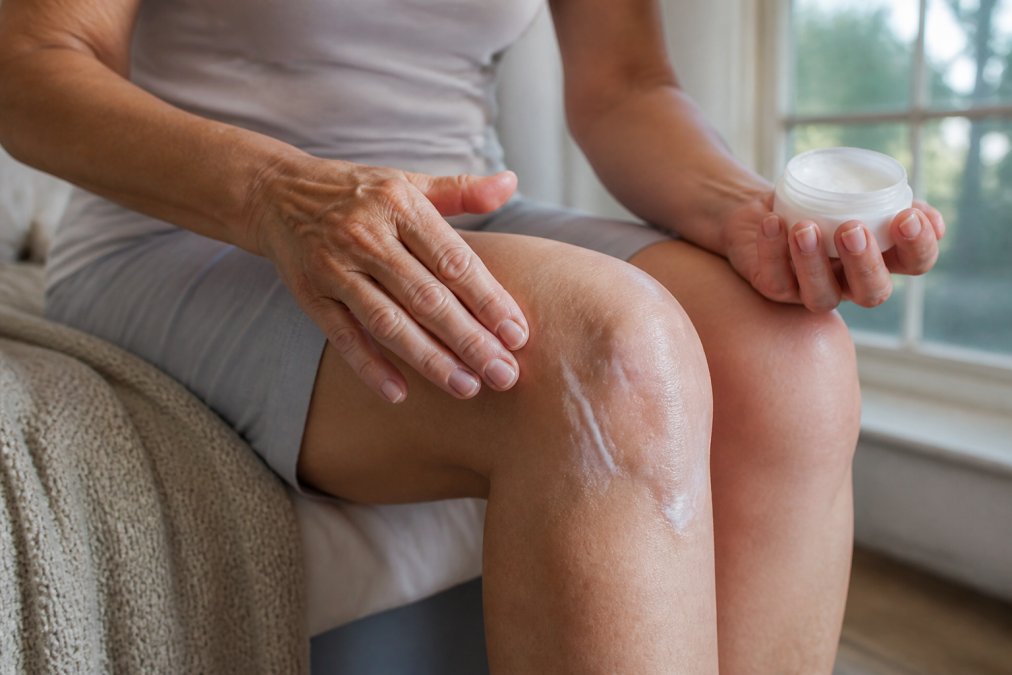
The distinction between marketing claims and actual efficacy matters when you're managing chronic pain. We focused on topical formulations and oral products that demonstrate consistent quality across batches, clear dosage guidance, and honest communication about what CBD can and cannot do. Each product in this guide comes from brands willing to publish their certificates of analysis publicly, allowing independent verification of cannabinoid content and contaminant screening.
Railroad Remedies (RXR) stood out in our evaluation for combining organic ingredients with a unique formulation approach. Their 2000mg CBD/CBC blend incorporates Cannabichromene, a lesser-known cannabinoid with distinct anti-inflammatory properties, alongside a non-greasy delivery system using organic coconut oil and shea butter. This isn't standard across the industry, most competitors rely on CBD isolate or basic full-spectrum formulas without the CBC addition.
Quick Picks:
- Best Overall Topical: Railroad Remedies (RXR) CBD/CBC 2000mg Pain Relief Lotion, maximum strength with organic base oils
- Best Budget Topical: Railroad Remedies (RXR) CBD Relief Lotion 500mg, accessible potency for daily use
- Best Full-Spectrum Oil: Aspen Green Bliss Organic Full Spectrum CBD Oil, USDA certified with physician formulation
- Best Value Softgels: Lazarus Naturals Full Spectrum CBD Softgels, certified organic, third-party tested, affordable
What Is CBD and How Does It Work for Pain Relief
CBD is cannabidiol, a naturally occurring compound in hemp plants that interacts with your endocannabinoid system to reduce inflammation and modulate pain signaling. Unlike THC, CBD does not produce intoxication or a "high" sensation. The endocannabinoid system regulates pain perception, immune response, and inflammation throughout your body, CBD appears to influence these pathways without the psychoactive effects.

Research into CBD's mechanism shows it works through multiple pathways simultaneously. It activates serotonin receptors involved in pain modulation, influences vanilloid receptors that regulate temperature and pain sensation, and reduces pro-inflammatory cytokine production. For chronic pain conditions like osteoarthritis, neuropathic pain, and post-exercise muscle soreness, this multi-target approach can address both the inflammatory component and the pain signal itself.
The distinction matters for chronic pain sufferers. Topical CBD lotions deliver localized relief directly to affected joints and muscles, while oral tinctures and softgels provide systemic effects throughout your body. Many people find that combining both approaches, using a topical lotion for acute joint pain while maintaining steady systemic CBD levels through an oral product, provides more consistent relief than either alone.
Full-Spectrum vs. Broad-Spectrum vs. Isolate CBD
Understanding CBD product types is essential because they deliver different effects. Full-spectrum CBD contains all cannabinoids, terpenes, and flavonoids present in the hemp plant, including trace amounts of THC (under 0.3% federally legal limit). This combination, called the "entourage effect," may enhance pain relief efficacy compared to isolated cannabinoids alone.
Broad-spectrum CBD removes THC while retaining other plant compounds. This appeals to users concerned about THC detection in drug screening, though the entourage effect is slightly diminished without it. CBD isolate contains pure cannabidiol only, no other plant compounds. It's the most processed form, offering precise dosing but potentially less therapeutic benefit for pain management.
For chronic pain specifically, full-spectrum formulations tend to outperform isolates in user reports. The terpenes, aromatic compounds also found in cannabis, contribute their own anti-inflammatory and analgesic properties. Myrcene, for example, enhances CBD absorption and pain relief. Limonene shows anti-inflammatory activity. Pinene supports circulation to affected areas.
Railroad Remedies (RXR) uses full-spectrum CBD in both their 500mg and 2000mg formulations, paired with CBC (Cannabichromene) in the maximum-strength version. CBC adds another layer of anti-inflammatory support beyond what standard full-spectrum CBD alone provides. This is a meaningful differentiation, most competitors offer basic full-spectrum or isolate without the additional cannabinoid complexity.

| CBD Type | THC Content | Entourage Effect | Best For | Typical Price Range |
|---|---|---|---|---|
| Full-Spectrum | <0.3% | Yes | Maximum pain relief, chronic conditions | $40-150 per bottle |
| Broad-Spectrum | 0% | Partial | THC-sensitive users wanting broad benefits | $35-120 per bottle |
| Isolate | 0% | No | Precise dosing, THC concerns | $25-80 per bottle |
| Full-Spectrum + CBC | <0.3% | Enhanced | Advanced inflammation response | $50-70 per 3.3oz topical |
USDA Organic CBD Oil for Pain: Quality and Sourcing Standards
USDA organic certification means the hemp was grown without synthetic pesticides, fertilizers, or GMO seeds, and processed without chemical solvents in extraction. This matters for topical application because your skin absorbs whatever residues remain in the final product. For chronic pain sufferers using CBD daily, purity compounds over time.
Verify organic certification by checking the USDA organic database or requesting a copy of the farm's organic certificate. Legitimate brands display this proudly. Many CBD companies claim "organic" without certification, a marketing tactic that means nothing legally. True USDA organic certification involves annual inspections and third-party verification.
The sourcing question extends beyond certification. Where was the hemp grown? Colorado and Oregon have stricter agricultural oversight than some other states. How was the CBD extracted? CO2 extraction preserves plant compounds better than ethanol or hydrocarbon methods. What carrier oils are used in topicals? Railroad Remedies (RXR) uses organic coconut oil and shea butter, both provide skin benefits beyond just delivering CBD. Cheaper formulations use mineral oil or petroleum-derived carriers that sit on skin rather than absorb.
Ask brands about their supply chain transparency. Can they trace hemp back to specific farms? Do they publish their sourcing practices? This transparency correlates with overall product quality and consistency.
How to Dose CBD for Chronic Pain: Finding Your Effective Amount
Finding your optimal CBD dose requires systematic experimentation because individual response varies dramatically based on pain type, body weight, metabolism, and existing medications. Start with 5-10mg daily for topical products and 10-15mg daily for oral forms, then increase by 5mg every 3-5 days until you notice consistent pain reduction. Most chronic pain users find their effective dose between 20-50mg daily, though some require higher amounts. However, the starting point and titration speed depend on your specific pain condition and physiology.
Dosing by Pain Type
Different pain conditions respond to different dose ranges. This distinction matters because underdosing for your specific condition wastes money and discourages users prematurely.
Osteoarthritis and joint pain: Most users find relief at 15-30mg daily oral CBD or 500-1000mg topical applied 2-3 times daily to affected joints. Joint pain is primarily inflammatory, so consistent systemic CBD levels work better than sporadic dosing. If you have multiple affected joints (knees, hips, hands), oral CBD addresses the systemic inflammation while topical application targets acute flare-ups. Users with severe osteoarthritis often require 40-60mg daily oral CBD for adequate relief.
Neuropathic pain (nerve pain, diabetic neuropathy, post-surgical nerve damage): This pain type typically requires higher doses than inflammatory pain because nerve pain involves different neurological pathways. Most users find neuropathic pain relief begins around 20-30mg daily and often requires 40-80mg daily for consistent management. Neuropathic pain responds better to oral CBD than topicals because the pain originates in nerve tissue, not surface joints or muscles. If you experience burning, tingling, or electric-shock sensations in hands or feet, expect to titrate toward the higher end of the dosing range.
Muscle soreness and post-exercise pain: Athletes and active individuals managing muscle soreness typically find relief at lower doses, 10-20mg daily oral CBD plus topical application immediately post-workout. This pain type is usually acute and inflammatory rather than chronic, so lower maintenance doses suffice. Many athletes use topical CBD immediately after exercise (within 30 minutes) for fastest onset, then maintain systemic levels with oral CBD on non-workout days.
Fibromyalgia and widespread pain: This condition involves central nervous system sensitization, requiring higher doses and longer titration periods. Most fibromyalgia patients find relief between 30-60mg daily, and some require 80mg+ daily. Fibromyalgia also responds better to full-spectrum formulations with additional cannabinoids (like CBC in Railroad Remedies (RXR)'s maximum-strength lotion) because the entourage effect addresses multiple pain pathways simultaneously.
Migraines and headaches: Preventive dosing (taking CBD daily to reduce migraine frequency) typically requires 15-25mg daily, while acute migraine dosing (taking CBD at migraine onset) may require 25-50mg. Oral tinctures work better than topicals for migraines because the pain is neurological rather than localized.
Body Weight and Metabolism
Body weight influences CBD metabolism significantly. A general guideline: heavier individuals require proportionally higher doses than lighter individuals. A person weighing 250 pounds typically requires 20-30% more CBD than a person weighing 150 pounds to achieve equivalent pain relief. This isn't because heavier people are "resistant" to CBD, it's because CBD distributes throughout body fat, and more body mass means more distribution volume.
Metabolism speed also varies. Some people metabolize CBD quickly (feeling effects wear off after 4-5 hours), while others metabolize slowly (experiencing effects for 8-10 hours). If you find that your pain returns quickly after dosing, you may be a fast metabolizer and benefit from splitting your daily dose into two smaller doses rather than one large dose. Conversely, if you experience lingering drowsiness or feel "over-dosed," you may be a slow metabolizer and should reduce your dose or extend the interval between doses.
Genetic factors (CYP3A4 enzyme variants) influence how quickly your liver processes CBD. You can't easily test this without genetic testing, but you can observe your personal response: if pain relief kicks in within 30-45 minutes and fades by hour 5, you're likely a fast metabolizer. If relief takes 90+ minutes to appear but lasts 8+ hours, you're likely a slow metabolizer.
Topical vs. Oral Dosing Strategy
Topical dosing differs fundamentally from oral dosing because topicals don't enter systemic circulation. A 500mg topical lotion applied to a specific joint delivers concentrated cannabinoids to that localized area, while oral CBD distributes throughout your entire body. Many people find that combining both approaches provides superior relief: oral CBD for baseline systemic inflammation reduction plus topical for acute joint flare-ups.
For topical application, the amount you apply matters less than consistency. A dime-sized amount of lotion applied to a joint and massaged in for 1-2 minutes typically delivers adequate topical CBD. More generous application doesn't proportionally increase relief; it just wastes product. Apply topical CBD 2-3 times daily for chronic joint pain, or as-needed for acute flare-ups.
For oral dosing, consistency matters more than timing. Taking your daily CBD dose at the same time each day (morning or evening) allows your body to maintain steady cannabinoid levels. This steady-state approach typically produces better pain relief than sporadic dosing. If you take 20mg daily, taking it at 8am every morning produces more consistent relief than taking 40mg every other day.
Medications and Drug Interactions Affecting Dosing
Certain medications alter how your body processes CBD, requiring dose adjustments. If you take medications metabolized by CYP3A4 liver enzymes (see the Safety section for a detailed list), start with lower CBD doses and increase more gradually. Your prescriber may need to monitor your medication levels or adjust your medication dosing as CBD affects how quickly your liver processes other drugs.
If you take sedating medications (sleep aids, anti-anxiety drugs, pain medications like opioids), start with lower CBD doses because CBD can amplify drowsiness. A 10mg CBD dose combined with a sedating medication might produce the drowsiness equivalent of 20mg CBD alone. Conversely, if you're taking stimulating medications, CBD may partially offset their effects.
Tracking Your Dose Response
Track your pain levels daily using a simple 1-10 scale. Note the time of day, dose taken, time of onset, duration of relief, and pain reduction observed. This data reveals patterns: some users find morning dosing works better, others prefer evening. Some notice benefits peak at 4-6 hours post-dose, others experience steady improvement over days of consistent use. After 2-4 weeks of consistent tracking, you'll identify your personal optimal dose and timing.
Many users find that their optimal dose changes seasonally or with activity level. Winter months with less activity might require lower doses, while periods of high physical activity might require higher doses. This is normal and expected, adjust your dose based on your current pain level rather than rigidly maintaining the same dose year-round.
The "Start Low, Go Slow" Principle
The "start low, go slow" principle prevents adverse effects while allowing your endocannabinoid system to adjust. Jumping to high doses immediately can trigger side effects like drowsiness, digestive changes, or appetite suppression. Gradual titration (increasing by 5mg every 3-5 days) builds tolerance to minor effects while maximizing therapeutic benefit. Most users reach their optimal dose within 4-6 weeks of starting.
If you experience side effects at any dose level, reduce back to your previous dose and stay there for another week before attempting to increase again. Your body may simply need more time to adjust. If side effects persist at low doses, CBD may not be the right option for you, discuss alternatives with your healthcare provider.
Third-Party Lab Tested CBD Products: What the Certificates Mean
A Certificate of Analysis (COA) is your proof that a CBD product contains what the label claims. Legitimate third-party labs test for cannabinoid content (CBD, THC, other cannabinoids), pesticide residues, heavy metals, microbial contaminants, and solvent residues. The COA should list the specific lab name, testing date, and results for each parameter.
Read the COA carefully. Does it show CBD content within 10% of the label claim? If a product claims 500mg CBD and the lab found 380mg, that's a red flag, either inconsistent manufacturing or misleading labeling. THC content should be below 0.3%. Pesticide screening should show non-detectable levels for all tested compounds. Heavy metals (lead, cadmium, arsenic) should be absent.
Not all labs are equal. Accreditation matters. Look for ISO 17025 certification, which means the lab meets international standards for testing accuracy. Some brands use internal labs, these results carry less weight than independent third-party testing. Reputable brands like Charlotte's Web, and Lazarus Naturals publish COAs openly on their websites for every batch.
Railroad Remedies (RXR) provides third-party testing documentation for their products. Request the most recent COA before purchasing if it's not publicly listed. This is standard practice for transparent brands.
CBD Topicals vs. Oral Tinctures for Pain: Which Works Best
The choice between topical and oral CBD depends on your pain type and lifestyle. Topical CBD lotions, creams, and salves deliver concentrated cannabinoids directly to localized pain areas, joints, muscles, nerves, without entering systemic circulation. This makes them ideal for arthritis, tendinitis, and localized muscle soreness. Onset is faster (15-30 minutes), but duration is shorter (4-6 hours).
Oral tinctures, oils, and softgels enter the bloodstream and distribute throughout your body, providing systemic anti-inflammatory effects. They work better for widespread pain, neuropathic conditions affecting multiple areas, and general inflammation. Onset is slower (30-90 minutes depending on whether you eat with them), but duration is longer (6-8 hours).
Many chronic pain users combine both approaches. Morning oral dose for baseline systemic inflammation reduction, then topical application to problem joints during flare-ups. This layered strategy addresses both systemic inflammation and localized pain simultaneously.
Topical absorption depends on the carrier oil and formulation. Oils that penetrate skin effectively (coconut oil, shea butter) allow CBD to reach deeper tissue layers. Non-greasy formulations matter for daily use, nobody wants to apply a greasy cream and then wear clothes. Railroad Remedies (RXR) specifically engineered their lotion to absorb quickly without residue, addressing a common complaint about CBD topicals.
For neuropathic pain (nerve pain in hands and feet), the evidence slightly favors oral CBD because nerve pain is systemic. Topicals can help, but oral formulations provide more consistent relief. For osteoarthritis and joint inflammation, topicals excel because you can target specific joints.
| Delivery Method | Onset Time | Duration | Best For | Absorption Notes |
|---|---|---|---|---|
| Topical Lotion | 15-30 min | 4-6 hours | Localized joint/muscle pain | Skin carrier oils affect penetration |
| Topical Salve | 20-40 min | 4-6 hours | Acute flare-ups, travel | Thicker consistency, longer lasting |
| Oral Tincture | 30-90 min | 6-8 hours | Systemic pain, neuropathy | Faster if held under tongue |
| Oral Softgel | 45-120 min | 6-8 hours | Consistent dosing, convenience | Slowest onset, most convenient |
Safety, Side Effects, and Precautions for CBD Pain Relief
CBD is generally well-tolerated, but side effects occur in some users, and drug interactions are a legitimate concern for people taking multiple medications. Understanding both common side effects and serious interaction risks helps you use CBD safely and effectively.
Common Side Effects and How to Manage Them
Common side effects include drowsiness, dry mouth, reduced appetite, and mild digestive changes. These typically diminish as your body adjusts, usually within 1-2 weeks of consistent use. Serious adverse effects are rare when using quality products from reputable brands.
Drowsiness: The most frequently reported side effect, occurring in 10-15% of CBD users. This is dose-dependent, higher doses produce more drowsiness. If drowsiness occurs, try taking your CBD dose in the evening rather than morning, or reduce your dose by 5mg and wait a week before increasing again. Some users find that drowsiness actually improves their sleep quality, making evening dosing beneficial rather than problematic. If drowsiness persists at low doses (10-15mg), CBD may not be the right option for you.
Dry mouth: Occurs because CBD reduces saliva production in some users. This is typically mild and manageable by drinking more water throughout the day. Chewing sugar-free gum can also stimulate saliva production. Dry mouth usually resolves within 1-2 weeks as your body adjusts.
Reduced appetite: Some users report decreased appetite, particularly at higher doses (40mg+). For most people this is minor and resolves quickly. However, if you're underweight or managing a condition where appetite is already compromised, discuss CBD with your healthcare provider before starting.
Digestive changes: Mild nausea, diarrhea, or constipation occur occasionally, usually at higher doses. Taking CBD with food reduces nausea. If digestive issues persist beyond 2 weeks, reduce your dose or discontinue use.
Dizziness or lightheadedness: Rare but reported by some users, particularly at higher doses. This typically resolves within 1-2 weeks. If dizziness persists, reduce your dose.
Drug Interactions: The Critical Safety Consideration
Drug interactions are the primary safety concern for CBD users. CBD inhibits CYP3A4 and CYP2C19 liver enzymes, which metabolize many medications. When CBD inhibits these enzymes, your body processes certain medications more slowly, potentially increasing medication levels in your bloodstream. This can amplify both therapeutic effects and side effects of those medications.
The severity of interaction depends on three factors: (1) how much CBD you're taking, (2) how much of the medication you're taking, and (3) how dependent that medication is on CYP3A4/CYP2C19 metabolism. Some medications are heavily dependent on these enzymes (high interaction risk), while others are only partially dependent (lower interaction risk).
High-Risk Medication Categories (Discuss with Your Prescriber Before Starting CBD)
These medication classes have significant interaction potential with CBD. Do not start CBD without discussing it with the prescriber of these medications.
Blood thinners (anticoagulants):
- Warfarin (Coumadin)
- Apixaban (Eliquat)
- Rivaroxaban (Xarelto)
- Dabigatran (Pradaxa)
CBD may increase bleeding risk by amplifying anticoagulant effects. Your prescriber may need to monitor your INR (International Normalized Ratio) more frequently or adjust your medication dose. Do not start CBD without explicit approval from the prescriber managing your anticoagulation therapy.
Cardiac medications:
- Beta-blockers: metoprolol (Lopressor), atenolol (Tenormin), propranolol (Inderal)
- Calcium channel blockers: diltiazem (Cardizem), verapamil (Calan), amlodipine (Norvasc)
- Statins: atorvastatin (Lipitor), simvastatin (Zocor), lovastatin (Mevacor)
- Digoxin (Lanoxin)
CBD may increase blood levels of these medications, potentially causing excessive blood pressure reduction, heart rate changes, or muscle weakness. Your cardiologist should monitor your blood pressure and heart rate more frequently if you start CBD.
Psychiatric and neurological medications:
- SSRIs: sertraline (Zoloft), paroxetine (Paxil), fluoxetine (Prozac), citalopram (Celexa)
- SNRIs: venlafaxine (Effexor), duloxetine (Cymbalta)
- Antipsychotics: risperidone (Risperdal), quetiapine (Seroquel), aripiprazole (Abilify)
- Benzodiazepines: alprazolam (Xanax), lorazepam (Ativan), diazepam (Valium)
- Antiepileptic drugs: phenytoin (Dilantin), valproic acid (Depakote), levetiracetam (Keppra)
CBD may amplify sedation and dizziness from these medications. Your psychiatrist or neurologist may need to adjust your medication dose or monitor you more closely. The interaction risk is particularly high with benzodiazepines and antiepileptic drugs.
Immunosuppressant medications:
- Tacrolimus (Prograf)
- Cyclosporine (Sandimmune)
- Mycophenolate (CellCept)
- Azathioprine (Imuran)
CBD may increase blood levels of immunosuppressants, potentially causing excessive immune suppression. Your transplant specialist or rheumatologist should monitor you closely if you start CBD.
Pain medications:
- Opioids: morphine, codeine, hydrocodone (Vicodin), oxycodone (OxyContin), methadone
- NSAIDs: ibuprofen (Advil), naproxen (Aleve), indomethacin
CBD may amplify drowsiness and dizziness from opioids. If you're taking opioids for pain and considering CBD as a complementary approach, discuss this with your pain management specialist. Some patients successfully reduce opioid doses when adding CBD, but this requires medical supervision.
Moderate-Risk Medication Categories (Inform Your Prescriber, But Lower Interaction Risk)
These medications have moderate interaction potential. Inform your prescriber that you're taking CBD, but interaction risk is generally lower than the high-risk categories above.
Thyroid medications: levothyroxine (Synthroid), liothyronine (Cytomel)
Diabetes medications: metformin (Glucophage), insulin, sulfonylureas
Acid reflux medications: omeprazole (Prilosec), lansoprazole (Prevacid)
Allergy medications: cetirizine (Zyrtec), fexofenadine (Allegra)
Sleep aids: zolpidem (Ambien), eszopiclone (Lunesta)
How to Safely Use CBD If You Take Interacting Medications
If you take any high-risk medications, do not start CBD without explicit approval from your prescriber. When you discuss CBD with your doctor:
-
Be specific about the CBD product: Tell your prescriber the brand, potency (mg of CBD), and your intended dose. This allows them to assess interaction risk accurately.
-
Ask about monitoring: Ask whether your prescriber wants to monitor you more closely (blood pressure checks, blood tests, medication level monitoring) while you're taking CBD.
-
Discuss dose adjustments: Ask whether your prescriber anticipates needing to adjust your medication dose based on CBD use.
-
Start low and go slow: If your prescriber approves CBD, start with the lowest dose (5-10mg daily) and increase very gradually (by 5mg every 7-10 days instead of every 3-5 days) to allow your prescriber to observe how your body responds.
-
Report side effects immediately: If you experience unusual symptoms (excessive drowsiness, dizziness, chest pain, irregular heartbeat, unusual bleeding), contact your prescriber immediately.
Pregnancy and Breastfeeding
Current evidence is insufficient to declare CBD safe during pregnancy or lactation. Most medical organizations, including the American College of Obstetricians and Gynecologists (ACOG), recommend avoiding CBD during pregnancy and breastfeeding until more research emerges. CBD crosses the placental barrier and appears in breast milk, but long-term effects on fetal development and nursing infants are unknown.
If you're pregnant or breastfeeding and experiencing pain, discuss alternatives with your healthcare provider. Acetaminophen is generally considered safe during pregnancy for pain management. Physical therapy, prenatal massage, and other non-pharmacological approaches may also help.
Pets and CBD
Many pet owners ask whether they can use the same CBD products on aging dogs with arthritis. Most topical CBD lotions designed for humans are safe for pets when applied to skin (dogs lick themselves, so ingestion happens). However, some formulations include ingredients that aren't ideal for pets, such as essential oils that can be toxic to dogs.
If you want to use CBD on your dog, look for products specifically formulated for pets or confirm with the brand that human formulations are pet-safe. Oral CBD for pets should also be pet-specific, as some human formulations contain xylitol (an artificial sweetener toxic to dogs) or other dog-unsafe ingredients. Consult your veterinarian before giving CBD to your pet, as drug interactions are possible with veterinary medications as well.
Quality and Contamination Risks
Quality matters for safety. Contaminated products, those with pesticide residues, heavy metals, mold, or bacterial contamination, pose real health risks. This is why third-party testing is non-negotiable. Buying from reputable brands with transparent testing practices and publicly available Certificates of Analysis (COAs) eliminates most safety concerns.
Low-quality CBD products may contain:
- Pesticide residues: Organophosphates and pyrethroids used in hemp cultivation can accumulate in CBD products if not properly tested and removed.
- Heavy metals: Lead, cadmium, and arsenic can accumulate in hemp plants grown in contaminated soil.
- Microbial contaminants: Mold, bacteria, and fungi can grow in poorly stored or processed products.
- Solvent residues: Extraction solvents (ethanol, hexane, butane) can leave residues if extraction isn't properly completed.
Always verify that your CBD product has been third-party tested by an ISO 17025-accredited lab and that the COA shows non-detectable levels of contaminants.
Best Organic CBD Pain Relief Products Compared
1. Railroad Remedies (RXR) CBD/CBC 2000mg Pain Relief Lotion, Best Overall Topical
This is the strongest topical option we tested, combining full-spectrum CBD with CBC (Cannabichromene) in a single 3.3oz bottle at $69.99. The CBC addition is meaningful, it provides additional anti-inflammatory and analgesic properties beyond standard CBD formulations. The organic coconut oil base absorbs without greasiness, and shea butter plus kukui nut oil deliver genuine skin hydration alongside pain relief.
What separates this from competitors: most pain relief topicals use CBD isolate or basic full-spectrum formulas. The CBC component is uncommon and adds real therapeutic value for inflammation-driven pain. The non-greasy absorption matters for daily use, you can apply in the morning and wear normal clothes immediately.
The 2000mg potency targets serious chronic pain. If you've tried lower-potency topicals without adequate relief, this maximum-strength option delivers the concentration needed. For arthritis sufferers and athletes managing high-impact recovery, this is the most comprehensive topical available.
Pros:
- Organic ingredients with transparent sourcing
- Non-greasy, fast-absorbing formula
- CBC addition for enhanced anti-inflammatory effect
- Maximum potency topical option
- Third-party tested
Cons:
- Higher price point reflects maximum strength and unique formulation
- 3.3oz bottle requires reapplication for widespread pain areas
Best For: Chronic pain sufferers needing maximum topical strength, arthritis management, athletes recovering from high-impact exercise
2. Railroad Remedies (RXR) CBD Relief Lotion 500mg, Best Budget Topical
At $39.99 for 500mg, this entry-level topical from Railroad Remedies (RXR) provides accessible pain relief without the maximum-strength price tag. The same organic base oils and non-greasy formula as the 2000mg version, just at lower potency.
This works well for mild to moderate localized pain, testing the waters with topical CBD, or maintaining a maintenance dose after establishing your response. The 500mg concentration suits daily joint maintenance and post-workout muscle soreness.
Pros:
- Affordable entry point for topical CBD
- Same organic formula and absorption quality as premium version
- Sufficient potency for maintenance and mild pain
- Easy to test whether topical CBD works for your condition
Cons:
- Lower potency than maximum-strength option
- May require more frequent application for severe pain
Best For: Budget-conscious users, mild to moderate localized pain, first-time topical CBD users
3. Aspen Green Bliss Organic Full Spectrum CBD Oil, Best Full-Spectrum Oil
At $149.99 for 133mg/mL strength, Aspen Green's full-spectrum oil delivers physician-formulated CBD with additional botanicals like turmeric, ginger, and chamomile. USDA organic certification provides quality assurance. The formula targets both pain relief and stress reduction, addressing the inflammation-anxiety cycle common in chronic pain.
This is an oral option, meaning systemic distribution throughout your body rather than localized topical effect. The additional botanicals provide complementary anti-inflammatory support beyond CBD alone. Subscription options available for cost savings.
Pros:
- USDA certified organic with transparent sourcing
- Physician-formulated with beneficial botanicals
- Full-spectrum CBD with entourage effect
- Higher potency suitable for serious pain
- Subscription discounts available
Cons:
- Higher price point than some alternatives
- Contains trace THC (under 0.3%)
- Slower onset than topicals
Best For: Systemic pain conditions, neuropathic pain, users seeking comprehensive botanical support alongside CBD
4. Charlotte's Web CBD Oil, 60 mg/mL, Best High-Potency Oil
Charlotte's Web's 60mg/mL formulation ($119.99 for 30mL) delivers one of the highest potencies available in a well-established brand. Full-spectrum organic hemp extract with proven consistency across batches. This is for experienced CBD users or those with serious pain requiring strong systemic support.
The high potency means you take less volume to achieve therapeutic doses, reducing the amount of carrier oil you consume. Multiple flavors available, though unflavored is purest.
Pros:
- Highest potency available (60mg/mL)
- Well-established brand with consistent quality
- Organic hemp sourcing
- Multiple flavor options
- Proven track record
Cons:
- High price due to potency
- Contains trace THC
- Slower onset than topicals
- Better for experienced users
Best For: Experienced CBD users, severe pain requiring high potency, those needing fewer drops for therapeutic dose
5. Lazarus Naturals Full Spectrum CBD Softgels, Best Value Softgels
Starting at $12 for 10-count 25mg softgels, Lazarus Naturals offers the most affordable per-dose CBD option. Certified organic, third-party tested, with CBG (Cannabigerol) included alongside CBD. The softgel format provides convenient, pre-dosed consistency without measuring.
This is ideal for travel, work, or situations where discretion matters. Onset is slower than oils (45-120 minutes), but the convenience and affordability compensate. Available in multiple potencies up to 100mg per softgel.
Pros:
- Most affordable per-dose option
- Certified organic and third-party tested
- Convenient pre-dosed format
- Includes CBG for additional benefits
- Wide potency range available
Cons:
- Slowest onset of all delivery methods
- Contains trace THC
- Requires consistent daily use for best results
Best For: Budget-conscious users, convenience-focused individuals, those seeking pre-dosed consistency
6. One Farm USDA Organic CBD Oil, Best for Transparency
One Farm's USDA organic CBD oil (starting at $46.99) is made in-house in Boulder County, Colorado. Full transparency on sourcing and processing. Available in multiple flavors and strengths, with clear information about their farming and extraction practices.
This appeals to users prioritizing supply chain transparency and local sourcing. The mid-range pricing reflects quality without premium positioning.
Pros:
- USDA certified organic with transparent sourcing
- Made in-house for quality control
- Local Colorado production
- Multiple flavor options
- Reasonable pricing for organic certification
Cons:
- Less widely available than larger brands
- Contains trace THC
- Similar potency options to competitors
Best For: Transparency-focused users, those supporting local production, individuals wanting clear sourcing information
7. CBDPure CBD Infused Cream, Best Topical with Menthol
CBDPure's topical cream ($39.99 for 500mg) combines organic CBD with menthol for immediate cooling sensation. The menthol provides complementary relief, cooling sensation distracts from pain while CBD addresses inflammation. Designed specifically for muscle and joint pain with a non-greasy formula.
This works well for acute flare-ups where the cooling sensation provides psychological comfort alongside therapeutic CBD effect. The menthol makes it distinct from other topicals.
Pros:
- Menthol provides immediate cooling sensation
- Organic US-grown hemp
- Third-party lab tested
- Effective for acute pain flare-ups
- Non-greasy absorption
Cons:
- Menthol not ideal for sensitive skin
- Lower potency than maximum-strength options
- Topical-only relief (localized)
Best For: Athletes, acute pain flare-ups, users who benefit from cooling sensation, muscle soreness management
Comparison Table: All Products at a Glance
| Product | Type | Potency | Price | Organic | Best For |
|---|---|---|---|---|---|
| Railroad Remedies (RXR) 2000mg | Topical | 2000mg | $69.99 | Yes (USDA) | Maximum topical strength, arthritis |
| Railroad Remedies (RXR) 500mg | Topical | 500mg | $39.99 | Yes (USDA) | Budget topical, mild-moderate pain |
| Aspen Green Oil | Oral Oil | 133mg/mL | $149.99 | Yes (USDA) | Systemic pain, botanicals |
| Charlotte's Web Oil | Oral Oil | 60mg/mL | $119.99 | Yes | High potency, experienced users |
| Lazarus Naturals Softgels | Oral Softgel | 25-100mg | $12+ | Yes | Budget, convenience, travel |
| One Farm Oil | Oral Oil | Variable | $46.99+ | Yes (USDA) | Transparency, local sourcing |
| CBDPure Cream | Topical | 500mg | $39.99 | Yes | Menthol cooling, acute pain |
Key Takeaways
- Organic certification matters for daily topical use, your skin absorbs whatever remains in the formula
- Full-spectrum CBD with additional cannabinoids (like CBC in Railroad Remedies (RXR)'s maximum-strength lotion) outperforms basic isolate formulations for pain relief
- Topical CBD works best for localized joint and muscle pain; oral formulations better address systemic and neuropathic pain
- Third-party lab testing is non-negotiable, request COAs before buying and verify they show potency within 10% of label claims
- Start with 5-10mg daily and increase gradually every 3-5 days until you find your effective dose
- Drug interactions are possible with certain medications, discuss CBD with your prescriber if you take cardiac, psychiatric, or immunosuppressant drugs
- The best product depends on your pain type: topical for arthritis and localized soreness, oral for widespread inflammation and nerve pain
Final Recommendation
For most chronic pain sufferers seeking organic CBD relief, Railroad Remedies (RXR) CBD/CBC 2000mg Pain Relief Lotion delivers the most comprehensive topical option. The CBC addition provides anti-inflammatory support beyond standard CBD, the organic coconut oil base absorbs without greasiness, and the maximum potency addresses serious pain without requiring frequent reapplication.
If you're new to topical CBD or managing mild pain, start with the Railroad Remedies (RXR) 500mg version at $39.99 to test your response at lower cost. For systemic pain conditions requiring oral CBD, Aspen Green's physician-formulated full-spectrum oil combines CBD with beneficial botanicals, while Lazarus Naturals softgels offer the most affordable consistent dosing.
National Center for Complementary and Integrative Health research on CBD
American Arthritis Foundation information on pain management approaches
Pharmacology of cannabinoids and pain relief mechanisms
Frequently Asked Questions
Is organic CBD better for pain relief than non-organic options?
Organic CBD is grown without synthetic pesticides, herbicides, or fertilizers, which reduces your exposure to harmful chemicals. For pain relief specifically, the cannabinoid content and bioavailability matter most, organic certification ensures cleaner sourcing but doesn't automatically mean stronger pain relief. Look for USDA organic certification combined with third-party testing to verify both purity and potency.
How long does it take for organic CBD to work for chronic pain?
Topical CBD lotions typically begin working within 15-30 minutes for localized pain, while oral tinctures and softgels may take 30 minutes to 2 hours. Full effects often develop over several days of consistent use as cannabinoids accumulate in your system. Chronic pain relief usually requires daily application or dosing for 2-4 weeks to assess effectiveness.
What should I look for when buying CBD for chronic pain?
Prioritize third-party lab testing (look for a Certificate of Analysis), USDA organic certification, and full-spectrum or broad-spectrum formulas for the entourage effect. Check the milligram content per serving and calculate cost-per-milligram for value. For topicals, verify non-greasy absorption and ingredient quality like organic coconut oil or shea butter. Confirm the product is hemp-derived with less than 0.3% THC.
Are there side effects to using CBD for chronic pain?
CBD is generally well-tolerated, but some users report dry mouth, fatigue, or mild digestive changes. Topical applications rarely cause systemic side effects. The main concern is drug interactions, CBD inhibits cytochrome P450 enzymes, which can affect medications like blood thinners or seizure medications. Always consult your healthcare provider before starting CBD, especially if you're on prescription medications.
Get started with Railroad Remedies (RXR) and experience how organic CBD combined with CBC can address your chronic pain while nourishing your skin with premium natural ingredients.
This article was written using GrandRanker
