

Natural Pain Relief for Seniors: A 2026 Guide
Table of Contents
- Why Natural Pain Relief Matters for Seniors
- Heat, Cold, and Topical Therapies for Joint and Muscle Pain
- Safe Herbal Supplements for Elderly Pain Management
- Anti-Inflammatory Diet for Seniors Seeking Natural Relief
- Physical Therapy Exercises for Chronic Pain and Mobility
- Non-Pharmacological Pain Management Strategies That Work
- Mind-Body Techniques, Acupuncture, and Massage for Chronic Pain
- Conclusion: Building Your Natural Pain Relief Plan
Last Updated: August 13, 2026
Why Natural Pain Relief Matters for Seniors
Chronic pain affects millions of older adults, and many find themselves caught between medications they can no longer tolerate and limited options for relief. Natural pain relief for seniors represents a shift away from pharmaceutical dependency toward approaches that address both the physical and emotional toll of persistent discomfort. At Railroad Remedies (RXR), we understand that seniors often juggle multiple medications with complex interactions, making safer alternatives increasingly important.
The challenge isn't finding relief, it's finding relief that works without compounding health risks. NSAIDs, commonly prescribed for arthritis and joint pain, carry significant risks for seniors: gastrointestinal bleeding, kidney damage, and cardiovascular complications become more likely with age. Opioids introduce addiction risks and cognitive side effects that can undermine independence. This reality has driven growing interest in complementary medicine approaches that target pain through different mechanisms: reducing systemic inflammation, improving mobility, managing pain perception itself.
Natural pain relief for seniors works best when combined thoughtfully. A single remedy rarely solves chronic pain. Instead, layering approaches, topical therapies, dietary changes, movement, and mind-body work, creates a more resilient pain management strategy that adapts to good days and difficult ones.
Heat, Cold, and Topical Therapies for Joint and Muscle Pain
Thermal therapy remains one of the most effective non-pharmacological pain management strategies available. Heat increases blood flow, relaxes muscle tension, and reduces joint stiffness, particularly helpful for morning pain in arthritic hands and knees. Cold reduces inflammation and numbs acute pain, making it ideal for flare-ups or fresh injuries.
The practical approach: use heat for chronic stiffness (warm showers, heating pads at 15-20 minute intervals), and cold for acute inflammation. Many seniors benefit from alternating, heat for mobility work, cold afterward to manage swelling. A common mistake is applying heat or cold too long; 15-20 minutes is the effective window. Beyond that, your body adapts and effectiveness drops.
Topical applications offer direct relief without systemic absorption. CBD-based lotions have gained traction because they combine thermal application with anti-inflammatory compounds. Railroad Remedies (RXR) offers formulations specifically designed for seniors: the CBD Relief Lotion 500mg provides accessible strength for daily use, while the CBD/CBC 2000mg blend targets advanced inflammatory pain with Cannabichromene, which research suggests enhances both anti-inflammatory and analgesic properties.

The advantage of topical CBD over oral forms: you avoid the unpredictability of digestive absorption and potential interactions with medications seniors are already taking. Application is simple, massage into affected joints twice daily, and the non-greasy formula won't stain clothing or require frequent washing.
Safe Herbal Supplements for Elderly Pain Management
Herbal remedies for pain have centuries of use behind them, but seniors must approach them with caution due to medication interactions. The most researched options for safe herbal supplements for elderly pain include turmeric (curcumin), ginger extract, and willow bark, each with different mechanisms and different risk profiles.
Turmeric's active compound, curcumin, targets oxidative stress and systemic inflammation. It's particularly effective for joint stiffness and has shown modest benefits in osteoarthritis studies. However, curcumin is poorly absorbed on its own; most formulations add black pepper extract (piperine) to enhance bioavailability. The concern for seniors: turmeric can interact with blood thinners and diabetes medications. Always verify with a healthcare provider before starting.
Ginger extract works similarly to NSAIDs by inhibiting inflammatory pathways, but without the gastrointestinal risks. It's gentler than turmeric and better tolerated by sensitive stomachs. A typical dose is 1-2 grams daily. Side effects are rare, but ginger can potentiate blood-thinning medications.
Willow bark contains salicin, which the body converts to salicylate, the compound that makes aspirin work. It's effective for musculoskeletal pain and inflammation. The trade-off: it carries similar cautions as aspirin for seniors on anticoagulants or with bleeding disorders.
The critical step most seniors skip: consulting a pharmacist, not just their doctor. Pharmacists specialize in drug-herb interactions and can flag specific risks based on your medication list. A five-minute conversation can prevent serious complications.
Anti-Inflammatory Diet for Seniors Seeking Natural Relief
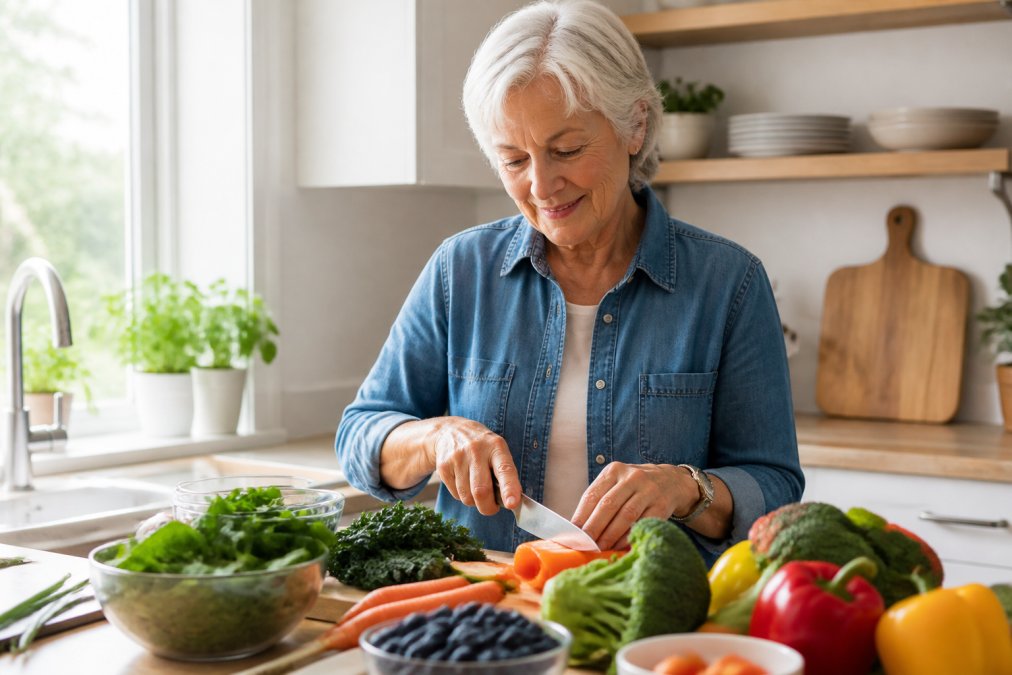
What you eat directly influences pain perception and inflammation levels. An anti-inflammatory diet for seniors doesn't require radical change, it's about shifting proportions and prioritizing foods that suppress systemic inflammation while supporting joint health.
The foundation: omega-3 rich foods (fatty fish like salmon, sardines, mackerel), colorful vegetables (especially leafy greens, berries, cruciferous vegetables), and whole grains. These foods contain polyphenols and antioxidants that reduce oxidative stress, a key driver of chronic pain. Omega-3s specifically reduce inflammatory markers in the bloodstream.
Practical implementation: aim for fish 2-3 times weekly, add berries to breakfast, and make half your plate vegetables at lunch and dinner. These changes are sustainable because they don't require elimination, you're adding, not restricting.
Foods to minimize: refined carbohydrates, seed oils high in omega-6 (vegetable oil, soybean oil), and processed foods. These promote inflammatory pathways. Sugar deserves special mention, it accelerates inflammatory aging and directly worsens pain perception.
The timeline matters: dietary changes take 4-6 weeks to noticeably reduce pain. Most seniors expect faster results and abandon the approach too soon. Stick with it for six weeks before evaluating whether this works for your pain pattern.
A practical asset for dietary change:
| Category | Priority Foods | Frequency | Why It Helps |
|---|---|---|---|
| Proteins | Fatty fish, eggs, legumes | 4-5x weekly | Omega-3s reduce inflammation |
| Vegetables | Leafy greens, berries, broccoli | Daily | Antioxidants combat oxidative stress |
| Grains | Oats, brown rice, quinoa | Daily | Fiber supports gut health, reduces inflammation |
| Healthy Fats | Olive oil, avocado, nuts | Daily | Monounsaturated fats reduce inflammatory markers |
| Foods to Limit | Refined carbs, processed foods, seed oils | Minimize | These promote inflammatory pathways |
Physical Therapy Exercises for Chronic Pain and Mobility
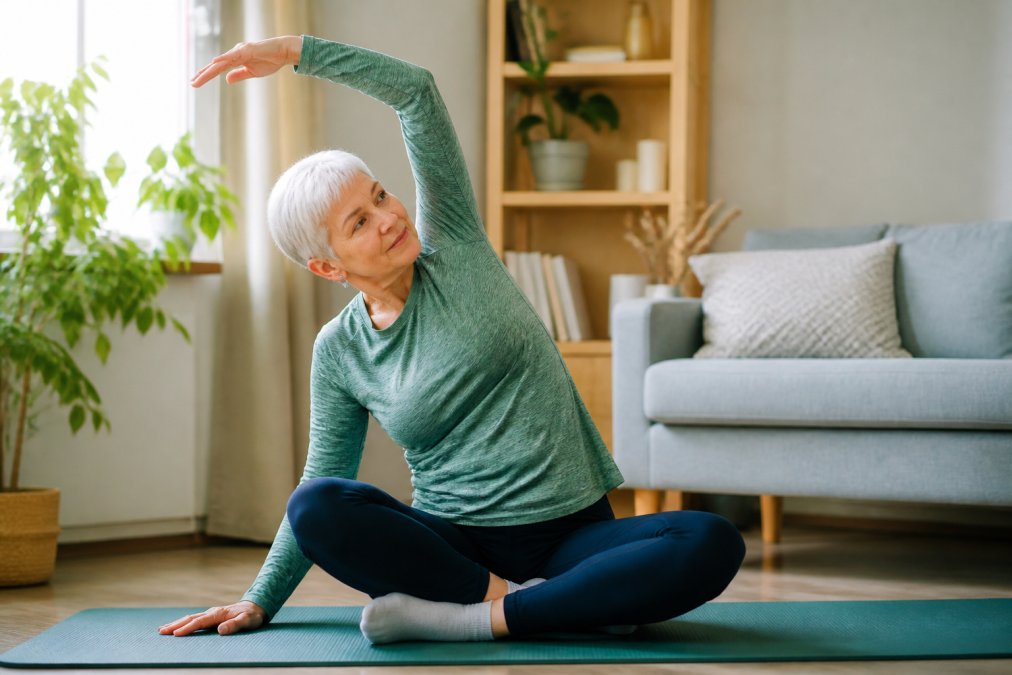
Movement is medicine, but the wrong movement makes pain worse. Physical therapy exercises for chronic pain work by improving mobility, strengthening supporting muscles, and reducing the pain-avoidance cycle that locks joints in place. The key difference between helpful and harmful exercise: gentle, controlled movement that doesn't trigger sharp pain.
Effective exercises for seniors focus on range of motion and stability rather than strength. A simple routine takes 15 minutes and should be done 5-6 days weekly:
- Neck and shoulder rolls, 10 slow circles each direction, releasing tension that radiates down the arm
- Gentle spinal twists, seated, rotate torso slowly side to side, 10 reps each side
- Hip circles, standing or lying, make slow circles with one leg, 10 each direction per leg
- Knee extensions, seated, straighten leg slowly, hold 2 seconds, 10 reps each leg
- Calf raises, standing at a counter for balance, rise onto toes, 10-15 reps
- Gentle forward fold, standing, slowly bend forward from hips, hold 30 seconds (don't bounce)
The critical principle: move into mild discomfort, never sharp pain. Mild discomfort means you're accessing mobility. Sharp pain means you've gone too far and triggered protective muscle guarding.
Most seniors see improved mobility within two weeks and reduced pain within four weeks. The mechanism is both physical (restored range of motion, improved circulation) and neurological (repeated gentle movement retrains the nervous system to perceive the movement as safe).
Non-Pharmacological Pain Management Strategies That Work
Beyond individual remedies, a systematic non-pharmacological pain management strategy creates consistency. This means combining approaches and tracking what works, because pain response is highly individual, what helps one person leaves another unchanged.
The framework most seniors find sustainable:
Morning routine (10 minutes): Heat application (shower or heating pad), gentle movement, anti-inflammatory breakfast.
Midday check-in (5 minutes): Posture reset, brief walk, hydration. Pain often worsens with static positions; movement breaks interrupt the cycle.
Evening routine (15 minutes): Topical application (CBD lotion or herbal balm), gentle stretching, relaxation technique (breathing or guided imagery).
Weekly addition: One longer session of physical therapy exercises or gentle yoga (20-30 minutes). This prevents adaptation and maintains progress.
Mindfulness-based stress reduction deserves mention here because psychological pain amplifies physical pain. Chronic pain creates anxiety, which tenses muscles, which worsens pain, a vicious cycle. Breaking this cycle through breathwork or guided imagery reduces pain perception independent of physical changes.
A practical approach: 5-minute guided imagery before bed. Visualize a place where you felt no pain, engaging all senses, temperature, sounds, textures. This trains your nervous system to access pain-free states, reducing nighttime pain and improving sleep quality.
Mind-Body Techniques, Acupuncture, and Massage for Chronic Pain
Pain lives in the nervous system, not just in tissue. This is why mind-body techniques reduce pain perception even when the physical condition hasn't changed. Guided imagery, breathwork, and meditation are not distractions, they're neurological interventions that calm the pain-amplifying systems in your brain.
Breathwork for immediate relief: Box breathing (4-count inhale, 4-count hold, 4-count exhale, 4-count hold) activates the parasympathetic nervous system, reducing pain-amplifying stress hormones. Most seniors notice reduced pain within 3-5 minutes of consistent breathing. This works particularly well during pain flares.
Acupuncture targets pain through acupuncture points mapped along meridians. Western neuroscience suggests acupuncture stimulates release of endorphins and reduces inflammatory signaling. Research shows modest but real benefits for chronic joint pain and neuropathic pain. Sessions typically last 30 minutes, and many seniors feel improvement after 4-6 sessions. Insurance sometimes covers acupuncture if prescribed by a physician.
Massage and therapeutic bodywork improve circulation, release muscle tension, and provide the psychological benefit of touch. Massage therapy isn't luxury, it's therapeutic. A 30-minute session targeting affected areas once or twice weekly reduces pain for many seniors. The mechanism combines mechanical (breaking up tension knots) and neurological (touch activates pain-inhibiting pathways).
These approaches work synergistically. Acupuncture combined with breathwork produces better results than either alone. Massage followed by gentle stretching extends the benefit. The integration of mind and body is not metaphorical, it's how your nervous system processes pain.
Conclusion: Building Your Natural Pain Relief Plan
Natural pain relief for seniors isn't about choosing one perfect remedy. It's about layering approaches that address pain through different mechanisms: reducing inflammation systemically and locally, improving mobility and circulation, managing pain perception, and supporting emotional resilience.
Start with what feels most accessible: thermal therapy and gentle movement, since both are free and carry minimal risk. Add dietary changes next. Then consider topical applications like Railroad Remedies (RXR)'s CBD Relief Lotion 500mg for daily management, or the advanced CBD/CBC 2000mg formula for more challenging inflammation. Layer in mind-body work once you have physical consistency.

Track what works. Pain management is personal, your effective combination may look different from your neighbor's. The goal isn't to follow a perfect protocol; it's to build a sustainable routine you'll actually maintain. Most seniors who commit to a multi-layered approach report meaningful pain reduction within 6-8 weeks and continued improvement over months.
Your natural pain relief plan becomes a foundation for independence, mobility, and quality of life. Get started with Railroad Remedies (RXR) and experience how premium CBD formulations with organic ingredients can support your pain management strategy.
Frequently Asked Questions
What are the safest natural pain relievers for seniors?
The safest options combine topical applications, gentle movement, and dietary approaches. Topical CBD lotions with organic ingredients like coconut oil and shea butter avoid systemic absorption issues common with oral medications. Herbal remedies such as ginger and turmeric have strong anti-inflammatory properties when sourced from reputable suppliers. Always verify third-party testing and consult your doctor before combining natural remedies with existing medications, especially if you take blood thinners or NSAIDs.
Are herbal supplements safe for seniors to take with other medications?
Many herbal supplements can interact with common senior medications. Ginger and turmeric may increase bleeding risk if combined with anticoagulants. Willow bark acts similarly to aspirin and shouldn't be mixed with blood thinners. St. John's Wort interferes with numerous prescriptions. Always inform your doctor about any supplements you're considering, request drug-herb interaction screening, and start with lower doses. Topical applications like CBD lotions bypass most systemic interactions since they absorb locally into skin and joints.
How can an anti-inflammatory diet reduce chronic pain in seniors?
Foods rich in omega-3 fatty acids, antioxidants, and polyphenols lower systemic inflammation that drives joint stiffness and musculoskeletal discomfort. Fatty fish, berries, leafy greens, and nuts reduce oxidative stress. Limiting processed foods, refined sugars, and excess sodium prevents inflammation spikes. Many seniors find that consistent dietary changes reduce pain perception within 4-6 weeks. Pair dietary improvements with topical anti-inflammatory applications and gentle movement for compounded relief.
Is topical CBD lotion effective for nerve pain, or just muscle soreness?
Topical CBD reaches localized nerve endings through skin absorption, making it effective for peripheral nerve pain in hands and feet. Full-spectrum formulations with added cannabinoids like CBC enhance anti-inflammatory and analgesic properties. For chronic nerve pain, topical therapy works best as part of a broader non-pharmacological strategy including physical therapy, mindfulness techniques, and dietary support. Results vary by individual; consistent application over 2-3 weeks typically shows clearer effects than single-use trials.
What makes a premium CBD lotion different from standard pain creams?
Premium formulations prioritize bioavailability, ingredient sourcing, and potency. Products with 2000mg CBD/CBC blends deliver stronger anti-inflammatory action than standard 500mg options. Organic base oils like coconut and shea butter provide deep hydration and skin nourishment, especially important for seniors with sensitive or compromised skin. Non-greasy, easily absorbed formulas ensure comfort during daily wear. Third-party testing verifies actual cannabinoid content and purity, distinguishing legitimate products from marketing claims.
Can I use the same natural pain relief product on my aging dog?
Many topical CBD lotions designed for human use are safe for pets when applied externally to affected joints and muscles. However, verify that the product contains no toxic ingredients like essential oils or xylitol. Some formulations are specifically pet-safe; others carry warnings. Always consult your veterinarian before treating your dog's arthritis or injury with any supplement or topical, as dosing and ingredient safety differ between species. Pet-specific CBD products are often the safer choice.
What's the difference between complementary medicine and proven natural pain relief?
Complementary medicine encompasses practices with varying evidence levels. Proven natural approaches have clinical support: topical CBD shows efficacy in peer-reviewed studies for joint and localized pain; acupuncture demonstrates effectiveness for chronic pain in multiple trials; anti-inflammatory diets reduce systemic inflammation markers. Mindfulness-based stress reduction measurably improves pain perception. Evaluate any remedy by its research backing, not marketing alone. Combine proven methods for better results than relying on a single unproven approach.
When should I see a doctor about chronic pain instead of treating it naturally?
Seek medical evaluation if pain is new, severe, accompanied by swelling or redness, limits function significantly, or worsens despite natural interventions. Chronic pain can signal underlying conditions requiring diagnosis. If you're on multiple medications, get professional screening for drug-herb interactions before starting supplements. Doctors can rule out serious causes and help integrate natural approaches into a comprehensive pain management plan. Natural relief works best as part of medical oversight, not as a replacement.
This article was written using GrandRanker
