

How to Soothe Radiation Skin Irritation: A Step-by-Step Guide
Table of Contents
- Understanding Radiation Skin Changes and How to Soothe Them
- Step 1: Cleanse Your Skin Gently Without Irritation
- Step 2: Choose the Best Moisturizer for Radiation Patients
- Step 3: Protect Your Skin From the Sun and Friction
- Natural Remedies for Radiation Burns and Irritation
- Build Your Radiation Skin Care Routine for Long-Term Relief
- When to Contact Your Radiation Oncology Team
- Conclusion
Last Updated: August 20, 2026
Understanding Radiation Skin Changes and How to Soothe Them
Radiation therapy saves lives, but it often leaves your skin inflamed, dry, and uncomfortable. If you're undergoing cancer treatment or recovering from recent radiation, you're likely dealing with acute radiation skin reaction, a common side effect ranging from mild redness to painful blistering. This guide from Railroad Remedies (RXR) covers practical, evidence-based strategies to soothe radiation skin irritation and restore your skin's barrier function during and after treatment.
Radiation damages healthy skin tissue in the treatment area, breaking down your skin's natural barrier and leading to erythema (redness), dryness, itching, and in severe cases, desquamation (peeling) and blistering. With the right approach to gentle cleansing, targeted moisturizing, sun protection, and strategic use of soothing remedies, you can significantly reduce discomfort and accelerate healing.
Step 1: Cleanse Your Skin Gently Without Irritation
The foundation of managing radiation skin irritation is a cleansing routine that removes sweat, bacteria, and dead skin without stripping your already-compromised skin barrier.
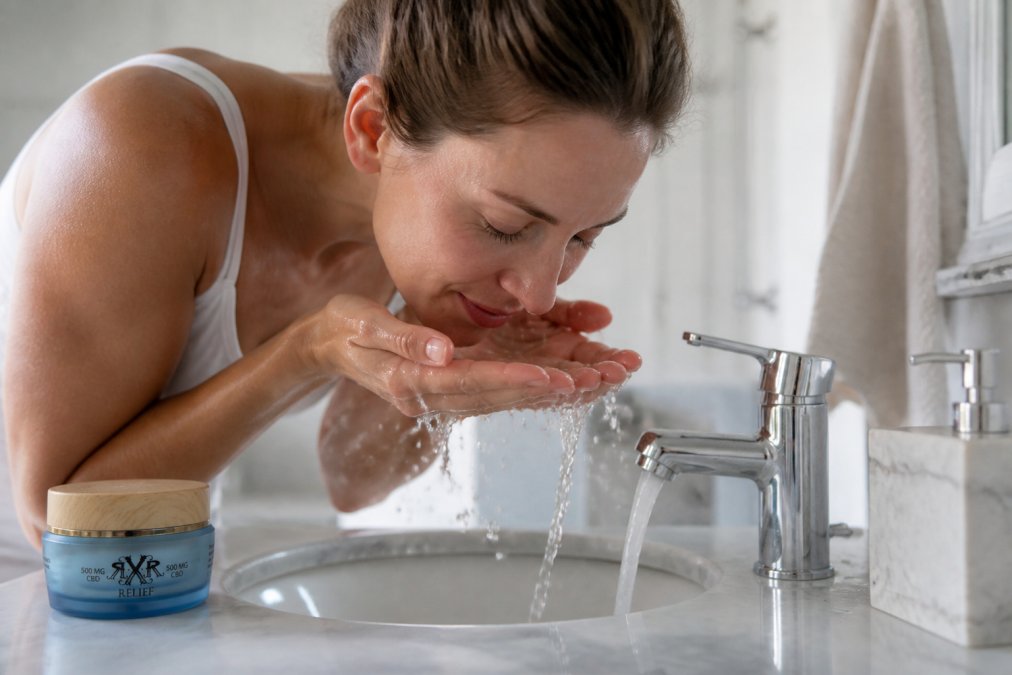
Start with lukewarm water, not hot. Hot water strips natural oils, leaving your skin more vulnerable to irritation and infection. Pat the treatment area dry with a soft, lint-free cloth, don't rub, which creates friction and micro-tears.
Use only mild soap or fragrance-free cleanser specifically formulated for sensitive skin. Bar soaps, antibacterial soaps, and heavily fragranced products contain surfactants that disrupt your skin barrier. Look for pH-balanced cleansers that won't alter your skin's natural acid mantle.
For stubborn debris or dried skin, consider saline soaks rather than aggressive scrubbing. Saline solution gently cleanses without chemical irritation. Soak the affected area for 10-15 minutes, then pat dry. This approach is especially helpful if you have blistering or weeping skin.
Cleanse once or twice daily, depending on sweating and activity level. Over-cleansing strips protective oils, so resist the urge to wash constantly.
Step 2: Choose the Best Moisturizer for Radiation Patients
After cleansing, moisturizing is non-negotiable. Radiation therapy creates severe dryness by damaging cells that produce natural skin oils. Without proper hydration, your skin cracks, itches intensely, and becomes vulnerable to infection.
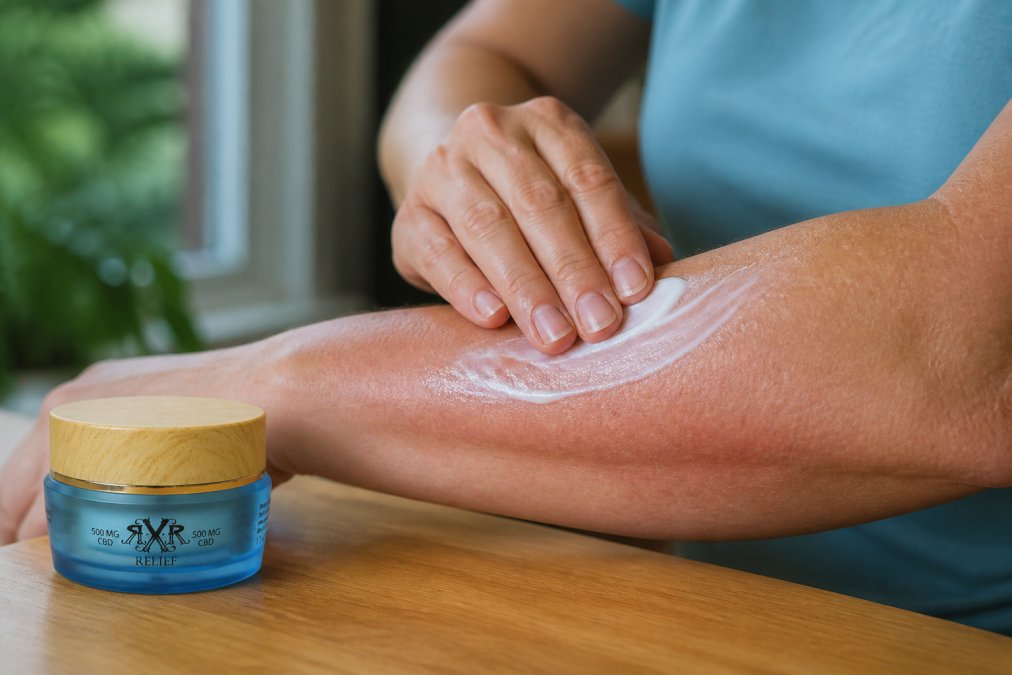
The best moisturizers for radiation patients contain occlusive ingredients that seal water into your skin. Shea butter, coconut oil, and kukui nut oil are gold standards. These ingredients create a protective barrier while deeply hydrating without greasy residue.
Look for hypoallergenic formulas free of fragrance, alcohol, and harsh preservatives. Even "natural" essential oils can trigger reactions in radiation-damaged skin. The simpler the ingredient list, the safer.
Apply moisturizer immediately after cleansing, while your skin is still slightly damp. Damp skin absorbs products more effectively. Use enough to create a thin, even layer without leaving a greasy film.
Railroad Remedies (RXR) offers the CBD Relief Lotion 500mg, formulated with organic coconut oil and shea butter specifically to address skin hydration and inflammation. For those with more severe radiation skin reactions, the CBD/CBC 2000mg Pain Relief Lotion provides maximum-strength anti-inflammatory support combined with deep moisturizing properties.

Moisturize at least twice daily: once after morning cleansing and again before bed. If your skin feels tight or itchy during the day, apply an additional light layer.
Step 3: Protect Your Skin From the Sun and Friction
Sun exposure is the enemy of healing radiation skin. The treated area is already inflamed and photosensitive; UV rays will intensify erythema, delay healing, and increase the risk of long-term skin damage.
Wear loose-fitting, soft clothing made from breathable natural fibers like cotton or linen. Tight clothing creates friction against sensitive skin, triggering itching and reopening micro-tears. When you must be outdoors, cover the treatment area completely with wide-brimmed hats, long sleeves, and pants.
If covering the area isn't practical, use a broad-spectrum sunscreen with SPF 30 or higher. Choose mineral sunscreens containing zinc oxide or titanium dioxide rather than chemical sunscreens, which can irritate sensitive skin. Apply generously and reapply every two hours or after swimming or sweating.
Avoid direct sun exposure during peak UV hours (10 a.m. to 4 p.m.) for at least three months after completing radiation therapy. The treated area will remain more sensitive to sun damage than untreated skin.
Avoid scratching, even when itching is intense. Scratching breaks the skin barrier and introduces bacteria, risking infection. If itching becomes unbearable, apply a cool compress or use fragrance-free moisturizer to soothe the urge. Keep your nails trimmed short to minimize damage if you scratch unconsciously during sleep.
Natural Remedies for Radiation Burns and Irritation
Beyond standard moisturizing, several natural remedies have shown effectiveness for soothing radiation skin irritation and supporting faster healing.
Saline soaks are both gentle and effective. A simple solution of one teaspoon of salt in one cup of sterile water cleanses without chemical irritation. Soak the affected area for 10-15 minutes once or twice daily. Saline promotes healing, reduces inflammation, and prevents infection, especially important if you have open blisters or weeping skin.
Aloe vera gel contains compounds that reduce inflammation and promote skin regeneration. Use pure aloe rather than commercial products loaded with fragrance and alcohol. Apply a thin layer after moisturizing.
Oatmeal baths or oatmeal-based products reduce itching and inflammation. Colloidal oatmeal creates a soothing bath that calms irritated skin without stripping oils. Add one cup to a lukewarm bath and soak for 15-20 minutes.
Coconut oil, shea butter, and kukui nut oil contain natural anti-inflammatory compounds. Railroad Remedies (RXR) incorporates all three into their formulations, combining them with CBD for enhanced anti-inflammatory benefits.
CBD and CBC (cannabichromene) have emerged as powerful tools for managing radiation skin irritation. CBD reduces inflammation through interaction with your skin's endocannabinoid system. CBC provides enhanced anti-inflammatory and analgesic properties when combined with CBD. The Railroad Remedies (RXR) CBD/CBC 2000mg blend combines both compounds for maximum therapeutic benefit.

Hydrocortisone cream (a mild topical steroid) is often recommended by radiation oncologists for moderate to severe itching and inflammation. It requires a prescription and should only be used under medical guidance.
Build Your Radiation Skin Care Routine for Long-Term Relief
Consistency transforms good practices into an actual routine that delivers results. The most effective radiation skin care routine is one you'll actually follow.
Morning routine (5 minutes):
- Cleanse with lukewarm water and mild soap
- Pat dry gently with a soft cloth
- Apply moisturizer while skin is still slightly damp
- Wait five minutes before dressing
- Wear loose, soft clothing and apply sunscreen if you'll be outdoors
Evening routine (5 minutes):
- Cleanse with lukewarm water and mild soap
- Pat dry gently
- Apply moisturizer generously
- If itching is severe, apply a natural remedy like aloe or saline soak before moisturizing
Weekly additions:
- Once or twice weekly, do a saline soak for 15 minutes to deep-cleanse and reduce inflammation
- If your skin feels particularly dry or irritated, add an extra moisturizer application mid-day
Start this routine early, ideally during radiation therapy, not waiting until severe damage develops. Early intervention prevents progression to painful blistering and significantly shortens overall recovery time.
Track your skin's response over two weeks. Most people notice reduced itching and redness within 7-10 days of consistent care. If you're not seeing improvement after two weeks, or if symptoms worsen, contact your radiation oncology team.
| Routine Step | Frequency | Duration | Key Principle |
|---|---|---|---|
| Gentle cleansing | 1-2x daily | 2-3 minutes | Lukewarm water, mild soap only |
| Moisturizing | 2-3x daily | 1 minute | Apply to damp skin immediately after cleansing |
| Sun protection | Daily outdoors | Ongoing | Cover area or use SPF 30+ mineral sunscreen |
| Saline soaks | 1-2x weekly | 15 minutes | For deep cleansing and inflammation reduction |
| Natural remedies | As needed | 10-15 minutes | Aloe, oatmeal, or CBD products for acute symptoms |
When to Contact Your Radiation Oncology Team
Your radiation oncology team needs to know if your skin care routine isn't controlling symptoms. Contact your team immediately if you develop signs of infection: increased warmth, pus, foul odor, or fever. Radiation-damaged skin is vulnerable to bacterial infection, which can progress quickly.
Severe blistering that doesn't improve with gentle care warrants a call. If blisters are large, spreading, or filled with fluid, your oncologist may recommend specialized wound care or prescription treatments.
Intense pain that over-the-counter pain relievers don't control is another signal. Your oncology team can prescribe stronger pain management or recommend topical anesthetics if needed.
If your skin doesn't improve after three weeks of consistent gentle care, or if symptoms worsen despite your best efforts, schedule an appointment. Your oncologist can examine the area, rule out complications, and adjust your care plan.
Persistent itching beyond six weeks after treatment completion should also be discussed. While some itching is normal during healing, ongoing severe itching can indicate delayed healing or developing complications.
Remember: your radiation oncology team expects these questions. Radiation skin reactions are a known side effect, and they have protocols and products specifically designed to manage them.
Radiation skin irritation is temporary, but managing it well makes the difference between minor discomfort and weeks of pain and complications. The strategies in this guide, gentle cleansing, consistent moisturizing, sun protection, and targeted natural remedies, address the root causes of radiation dermatitis. For patients seeking maximum relief, Railroad Remedies (RXR) offers clinically-formulated solutions combining organic coconut oil, shea butter, and CBD to reduce inflammation while deeply hydrating compromised skin. Start your skin care routine early, stay consistent, and contact your oncology team if symptoms escalate. Your skin will heal, and you'll be more comfortable throughout the process.
Frequently Asked Questions
What is the best lotion for radiation skin burns?
Look for fragrance-free, hypoallergenic moisturizers with gentle, organic ingredients like coconut oil and shea butter. CBD-infused lotions can help reduce inflammation and soothe irritated skin. Avoid products with harsh chemicals, fragrances, or alcohol. Products specifically formulated for sensitive skin or post-treatment care work best for radiation dermatitis. Apply moisturizer while skin is still slightly damp to lock in hydration.
How do you treat radiation dermatitis at home?
Start with gentle cleansing using lukewarm water and mild soap, followed by a fragrance-free moisturizer applied to damp skin. Wear loose-fitting cotton clothing to reduce friction. Use saline soaks if recommended by your doctor. Protect skin from sun exposure with loose clothing or SPF. Avoid scratching despite itching, keep nails trimmed and use cool compresses instead. Contact your radiation oncology team if you develop blistering, severe pain, or signs of infection.
Can I use shea butter on radiation-treated skin?
Yes, shea butter is an excellent choice for radiation-irritated skin. It's naturally hypoallergenic, fragrance-free, and rich in moisturizing compounds that support skin barrier repair. Shea butter helps reduce inflammation and dryness without irritating sensitive skin. Apply it to damp skin after cleansing for maximum absorption. However, ensure the product is pure, organic shea butter without added fragrances or harsh chemicals that could worsen irritation.
When should I call my doctor about radiation skin changes?
Contact your radiation oncology team immediately if you notice blistering, open wounds, severe pain, signs of infection (warmth, pus, increasing redness), or skin changes that don't improve with home care. Also reach out if itching becomes unmanageable or if you develop reactions to products you're using. Early intervention prevents complications and ensures your skin heals properly during and after radiation treatment.
This article was written using GrandRanker
