

CBD for Inflammation: How It Works & What Research Shows
Table of Contents
- How CBD Reduces Inflammation in the Body
- CBD Dosage for Inflammation: Finding Your Right Amount
- Topical vs. Oral CBD for Inflammation: Which Method Works Best
- What Research Says About CBD and Inflammatory Conditions
- How to Choose High-Quality CBD Products
- Safety, Side Effects, and Drug Interactions
- Conclusion
Last Updated: August 14, 2026
How CBD Reduces Inflammation in the Body
CBD works through the endocannabinoid system, a network of receptors throughout your body that regulates immune function and inflammatory signaling. When you apply or ingest CBD, it influences CB1 and CB2 receptors, which modulate how immune cells respond to injury or irritation.
CBD dampens the production of pro-inflammatory cytokines, particularly IL-6 and TNF-alpha, which drive chronic inflammatory conditions. This immunomodulation reduces both acute swelling and long-term tissue damage. Additionally, CBD's antioxidant properties neutralize free radicals that trigger inflammatory cascades and damage joint tissue. This dual action, reducing cytokine signaling while fighting oxidative damage, explains why many people report relief from both acute soreness and chronic joint conditions.
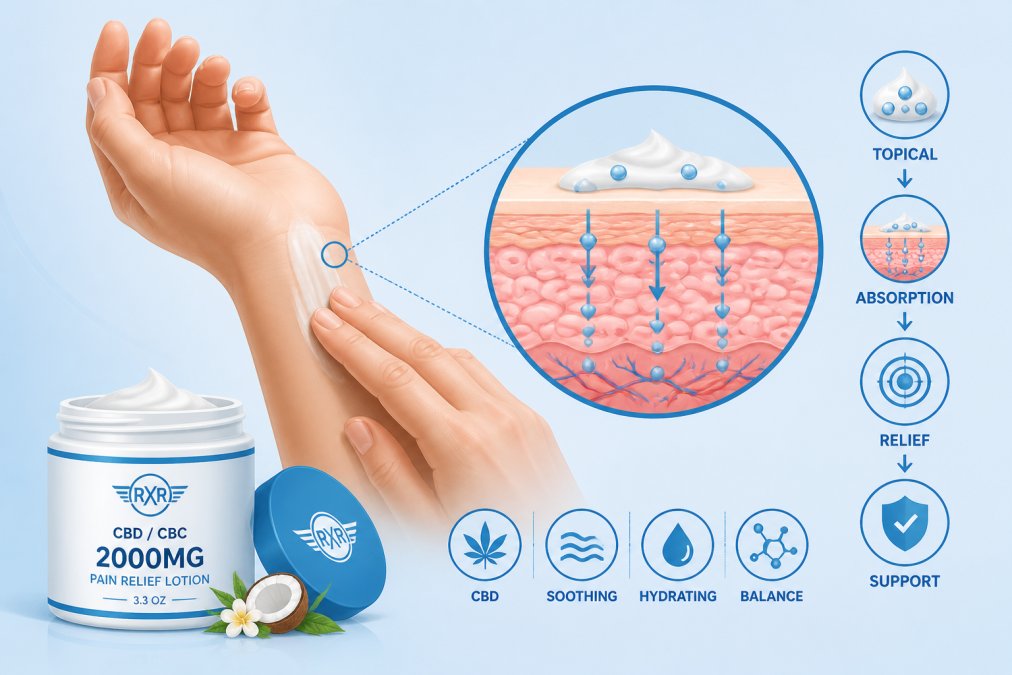
Research suggests CBD may reduce C-reactive protein levels, a measurable indicator of systemic inflammation. For conditions like osteoarthritis, where inflammation drives cartilage breakdown and pain, this mechanism offers a different approach than NSAIDs.
CBD Dosage for Inflammation: Finding Your Right Amount
CBD dosage for inflammation varies based on delivery method, body weight, and symptom severity. There's no universal standard, but research suggests starting low and titrating upward until you find your effective range.
For topical application, concentration matters more than total volume. Railroad Remedies (RXR) offers the 500mg CBD Relief Lotion for general inflammation support and the 2000mg CBD/CBC blend for maximum-strength relief. The 500mg formulation works well for mild to moderate inflammation affecting smaller areas like hands, wrists, and knees. The 2000mg version targets severe arthritis or cases where standard-strength products haven't delivered results.

Apply enough topical CBD to cover the affected area thoroughly without oversaturating. Most users find a dime-sized amount covers a joint effectively. Apply two to three times daily for acute inflammation, or once to twice daily for maintenance. The non-greasy formula means you won't feel residue after application.
For oral CBD, dosage typically starts at 5-10mg daily and increases by 5mg increments every few days until you notice improvement. Many people find their effective range between 15-30mg daily for chronic inflammation. Oral CBD takes longer to work (30 minutes to 2 hours) but provides systemic effects, making it better suited for widespread or internal inflammation.
Dosage titration is essential because CBD affects individuals differently. Factors like metabolism, body weight, liver function, and other medications influence how much CBD you need. Start conservatively, track your symptoms, and adjust gradually.
Topical vs. Oral CBD for Inflammation: Which Method Works Best
The choice between topical and oral CBD depends on where inflammation occurs, how quickly you need relief, and your lifestyle constraints.
Topical CBD reaches affected areas directly through skin penetration. When you apply a lotion containing CBD, the cannabinoid enters the dermis and underlying tissues, where it interacts with local CB2 receptors. This localized action produces faster relief, many users report noticeable improvement within 15-30 minutes. For arthritis affecting specific joints, sports injuries, or localized muscle soreness, topical delivery is the practical choice.
Topical CBD bypasses first-pass hepatic metabolism, meaning more cannabinoid reaches target tissues without being broken down by liver enzymes. This efficiency matters for people managing chronic pain who want sustained relief. Railroad Remedies (RXR)'s formulation with organic coconut oil and shea butter enhances absorption while providing additional skin nourishment.
Oral CBD enters the bloodstream and distributes throughout your body, providing systemic anti-inflammatory effects. This method works better for widespread inflammation, multiple joints, or systemic conditions. Oral CBD takes longer to activate (30 minutes to 2 hours) but effects last longer (4-8 hours typically).
The drawback of oral CBD is first-pass metabolism. Your liver metabolizes a significant portion before it reaches systemic circulation, requiring higher oral doses to achieve the same therapeutic effect as topical application.
| Delivery Method | Onset Time | Duration | Best For | Absorption |
|---|---|---|---|---|
| Topical lotion | 15-30 minutes | 4-6 hours | Localized joint/muscle pain | Direct tissue penetration |
| Oral tincture | 30-120 minutes | 4-8 hours | Systemic inflammation | Liver metabolism reduces bioavailability |
| Oral capsules | 60-120 minutes | 4-8 hours | Convenient daily dosing | Delayed onset, consistent dosing |
| Sublingual oil | 15-45 minutes | 4-6 hours | Faster oral absorption | Bypasses some liver metabolism |
Many practitioners recommend combining methods. Use topical CBD for acute localized flare-ups and oral CBD for baseline systemic inflammation management. This approach gives you flexibility and quick relief when needed, plus consistent background support for chronic conditions.
What Research Says About CBD and Inflammatory Conditions
Animal models consistently demonstrate CBD's anti-inflammatory effects. Studies examining CBD's impact on synovial fibroblasts show that cannabidiol reduces their production of pro-inflammatory cytokines. In arthritis models, CBD administration resulted in reduced joint swelling and improved mobility.
Human clinical trials on CBD for inflammation are still emerging. Published studies examining CBD in rheumatoid arthritis, osteoarthritis, and inflammatory bowel disease typically measure inflammatory markers like C-reactive protein and cytokine levels, along with patient-reported pain and function. Results have been encouraging enough that several pharmaceutical companies are developing CBD-based medications for inflammatory conditions.
The challenge with current research is that most human studies involve small sample sizes and short durations. Additionally, variability in CBD products (full-spectrum vs. isolate, varying cannabinoid ratios, quality differences) makes it difficult to compare results across studies.
What research shows consistently is that CBD appears safe for inflammation management in most populations. Adverse effects remain minimal even at high doses, and serious drug interactions are uncommon. This safety profile makes CBD attractive for people who've experienced side effects from NSAIDs or corticosteroids, particularly older adults managing chronic arthritis.
Pure CBD research isolates the anti-inflammatory mechanism from intoxication, making it suitable for people who want symptom relief without cognitive effects.
How to Choose High-Quality CBD Products
Selecting high-quality CBD requires understanding manufacturing standards, third-party testing, and what makes certain formulations more effective.
Third-party testing is non-negotiable. Reputable CBD manufacturers send their products to independent laboratories that verify cannabinoid content, test for contaminants (heavy metals, pesticides, microbial pathogens), and confirm the absence of harmful substances. Before purchasing any CBD product, request a certificate of analysis. Brands unwilling to provide testing results should be avoided.
The distinction between full-spectrum, broad-spectrum, and isolate CBD matters for efficacy. Full-spectrum products contain all cannabinoids present in the cannabis plant, CBD, CBG, CBC, CBN, plus trace amounts of THC (typically below 0.3%). The entourage effect describes how these cannabinoids work synergistically, potentially enhancing therapeutic benefits. Railroad Remedies (RXR)'s 2000mg CBD/CBC blend combines CBD's anti-inflammatory action with CBC's enhanced analgesic properties for superior pain relief.

Broad-spectrum CBD removes THC while retaining other cannabinoids. Isolate products contain pure CBD with all other cannabinoids removed. While isolates offer precise dosing and maximum THC-free assurance, they lack the synergistic benefits of full-spectrum formulations.
Source transparency matters significantly. Quality CBD brands disclose where they source hemp, which farming practices they use (organic vs. conventional), and how they extract cannabinoids. Railroad Remedies (RXR) uses organic coconut oil as a base with shea butter and kukui nut oil, chosen for their complementary skin benefits and clean sourcing.
For topical CBD products, assess the formulation beyond just cannabinoid content. A non-greasy, easily absorbed lotion is more likely to be used consistently. Complementary ingredients like shea butter and skin-soothing compounds enhance both efficacy and user experience. For people with sensitive skin, a hypoallergenic formulation becomes essential.
Check for independent customer reviews on third-party platforms. Look for patterns in reported outcomes, application experience, and whether people notice improvements within expected timeframes. Genuine reviews often mention specific details that marketing copy never addresses.
Safety, Side Effects, and Drug Interactions
CBD is generally well-tolerated, with most people experiencing no adverse effects. Common side effects are mild and infrequent. Some users report dry mouth, fatigue, or changes in appetite at higher doses. These effects typically diminish as your body adjusts to regular CBD use. Gastrointestinal upset occurs occasionally, particularly with oral CBD on an empty stomach; taking it with food often resolves this issue.
The most significant safety consideration involves drug interactions. CBD inhibits cytochrome P450 enzymes in your liver, specifically CYP3A4 and CYP2C19, which metabolize many medications. When CBD reduces enzyme activity, it can increase blood levels of drugs metabolized through these pathways, potentially causing side effects or toxicity. Medications commonly affected include blood thinners, heart medications, immunosuppressants, and some seizure medications.
If you take prescription medications, consult your healthcare provider before starting CBD. Your doctor can assess whether your specific medications interact with CBD and adjust dosing if necessary. Topical CBD carries lower interaction risk than oral CBD because less cannabinoid enters systemic circulation.
Pregnancy and breastfeeding warrant caution. Limited research exists on CBD safety during these periods. The conservative approach is to avoid CBD unless specifically directed by your obstetrician.
People with liver disease or compromised liver function should use CBD cautiously. Since your liver metabolizes CBD, impaired hepatic function could lead to CBD accumulation and increased side effects.
Allergic reactions to CBD itself are rare, but reactions to other ingredients in topical formulations occur occasionally. If you have known allergies to coconut oil, shea butter, or other botanical ingredients, review product formulations carefully. Patch testing on a small skin area before full application remains prudent for people with sensitive skin.
Pure CBD doesn't produce intoxication, impair cognition, or create psychological dependence. However, full-spectrum products contain trace THC (federally compliant products contain less than 0.3%), which could theoretically accumulate with very high daily doses. For people concerned about THC, broad-spectrum or isolate products eliminate this consideration.
Long-term safety data on CBD remains limited because widespread human use is recent. Current evidence suggests CBD is safer than many conventional treatments for inflammation, but acknowledging the limits of our knowledge is important.
Managing inflammation effectively often requires addressing multiple factors: activity level, diet, stress, and targeted symptom relief. CBD for inflammation offers a natural option with a strong safety profile and growing evidence of efficacy, particularly for localized joint pain and arthritis.
At Railroad Remedies (RXR), we've formulated our CBD and CBD/CBC pain relief lotions specifically for people seeking effective, natural inflammation support. The 500mg Relief Lotion provides accessible entry-level relief with organic coconut oil and shea butter for skin nourishment, while our 2000mg CBD/CBC blend delivers maximum-strength support with CBC's enhanced anti-inflammatory properties. Both formulations feature non-greasy, easily absorbed bases, critical for consistent daily use. Start with the product matching your symptom severity, apply consistently, and track your response over 2-3 weeks. If you're managing chronic inflammation or considering CBD alongside medications, consult your healthcare provider to ensure safety. Get started with Railroad Remedies (RXR) and experience the difference that premium, carefully formulated CBD can make in managing inflammation and supporting your overall wellness.
Frequently Asked Questions
Does CBD actually reduce inflammation?
CBD interacts with cannabinoid receptors and other signaling pathways in the body that regulate immune response and inflammation. Research suggests CBD may help reduce pro-inflammatory cytokines and oxidative stress, two key drivers of inflammatory conditions. While human studies are still limited compared to animal models, preliminary clinical trials and consumer reports indicate CBD can provide meaningful relief for inflammation-related discomfort, particularly when used consistently over time.
What is the best way to use CBD for inflammation?
The best method depends on your specific needs. Topical CBD lotions work quickly for localized joint and muscle inflammation, absorbing directly into the affected area without entering the bloodstream. Oral CBD (oils or tinctures) provides systemic effects throughout the body, making it better for widespread inflammation. Many people find topical application most effective for arthritis and nerve pain, especially when combined with organic ingredients like shea butter and coconut oil for added skin nourishment and anti-inflammatory support.
How long does it take for CBD to work for inflammation?
Topical CBD lotions typically provide noticeable relief within 15-45 minutes of application, making them ideal for acute flare-ups. Oral CBD may take 30 minutes to 2 hours to take effect, depending on your metabolism and whether you've eaten. For chronic inflammation management, consistent daily use over 2-4 weeks often produces the best results as CBD builds in your system. Individual response varies based on dosage, product quality, and your body's unique chemistry.
What makes CBD with CBC different from standard CBD products?
CBC (Cannabichromene) is a lesser-known cannabinoid that works synergistically with CBD in what's called the entourage effect. When combined, CBC and CBD enhance each other's anti-inflammatory and analgesic properties more effectively than CBD alone. Higher-potency formulas like 2000mg CBD/CBC blends deliver stronger therapeutic potential for severe inflammation and chronic pain conditions, particularly for individuals who haven't found relief with standard CBD products or traditional NSAIDs.
This article was written using GrandRanker
