

Does CBC Help With Joint Inflammation? Evidence & Usage Guide
Table of Contents
- What Is CBC and How Does It Differ From CBD
- The Science Behind CBC and Joint Inflammation
- How to Use CBC Oil for Joint Pain: Topical vs. Oral Delivery
- What Current Research Says About CBC for Joint Health
- Is CBC Legal in the United States and Regulated
- Safety, Side Effects, and Drug Interactions
- Dosage, Quality, and What to Look For
- Conclusion
Last Updated: August 8, 2026
What Is CBC and How Does It Differ From CBD
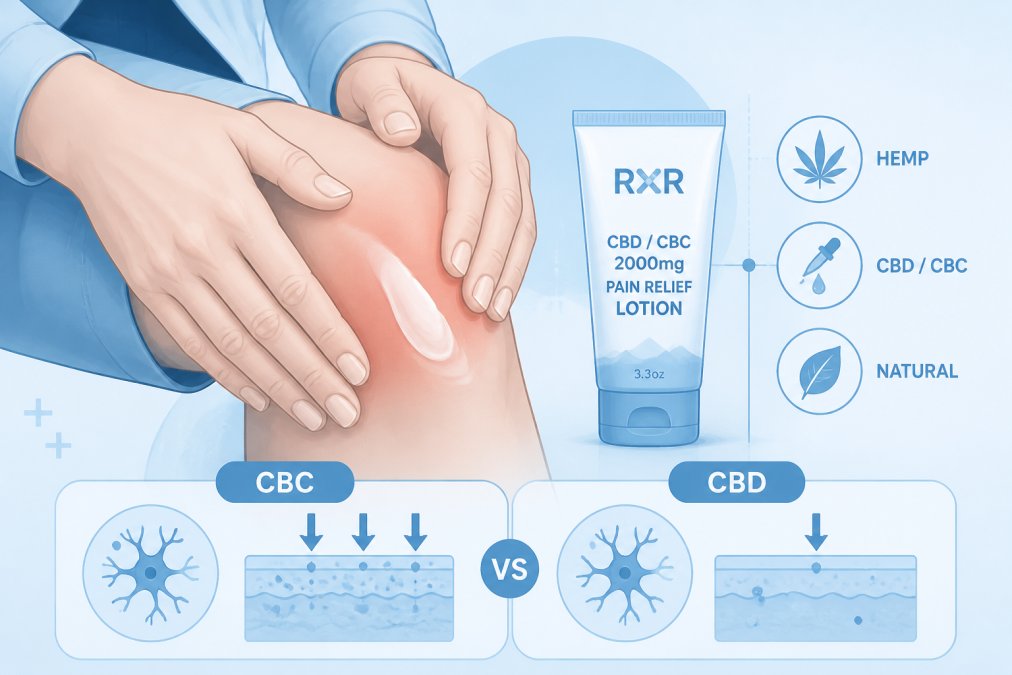
Cannabichromene (CBC) is a non-psychoactive cannabinoid found in cannabis plants that interacts with your endocannabinoid system differently than CBD. While both CBC and CBD share anti-inflammatory properties, they bind to different cannabinoid receptors and activate unique cellular pathways. CBC doesn't produce the "high" associated with THC, making it suitable for daytime use and topical applications.
The key distinction lies in how these cannabinoids work. CBD primarily interacts with serotonin and vanilloid receptors, while CBC engages more directly with CB2 receptors located in immune cells. When combined in formulations like Railroad Remedies (RXR)'s 2000mg CBD/CBC blend, the two cannabinoids work synergistically through the entourage effect, potentially amplifying their individual therapeutic benefits.

The Science Behind CBC and Joint Inflammation
How CBC Interacts With Your Endocannabinoid System
Your endocannabinoid system regulates pain perception, immune response, and inflammatory signaling throughout your body. CBC activates cannabinoid receptors and interacts with molecular targets that influence how your immune cells respond to injury or chronic inflammation. Unlike CBD, which works through multiple indirect pathways, CBC shows more direct engagement with CB2 receptors found predominantly on immune cells in joints and surrounding tissues.
When joint inflammation occurs, immune cells release cytokines, signaling molecules that amplify inflammation. CBC's interaction with CB2 receptors helps modulate this cytokine release, potentially reducing the cascade of inflammatory signals that cause pain and stiffness. Research from the National Center for Biotechnology Information documents that CBC demonstrates anti-inflammatory activity by suppressing pro-inflammatory cytokine production.
Topical application of CBC-containing products allows the cannabinoid to reach joint tissue directly, potentially triggering local anti-inflammatory responses without requiring systemic absorption.
Anti-Inflammatory Mechanisms at the Cellular Level
At the cellular level, CBC reduces inflammation by inhibiting microglial cell activation, immune cells in connective tissue that amplify inflammatory responses, and suppressing pro-inflammatory mediator production. CBC works by reducing TRPV1 channel activity, which is involved in pain perception and inflammatory responses, while simultaneously enhancing endocannabinoid tone by inhibiting enzymes that break down your body's natural cannabinoids.
For individuals with chronic osteoarthritis or post-exercise joint soreness, this dual mechanism is significant. The sustained reduction in cytokine production and immune cell activation can lead to measurable decreases in joint stiffness and pain over days of consistent use. Railroad Remedies (RXR)'s formulation combines this CBC action with organic coconut oil and shea butter, which provide skin-soothing and hydrating properties while enhancing transdermal absorption.
How to Use CBC Oil for Joint Pain: Topical vs. Oral Delivery
Topical Application and Transdermal Absorption
Topical application delivers CBC directly to affected joints without requiring systemic absorption through digestion. When you apply a lotion containing CBC to skin over an inflamed joint, the cannabinoid penetrates the stratum corneum and reaches underlying tissue where inflammation occurs. Most users report feeling effects within 15-45 minutes of application.
The absorption rate depends on the formulation's carrier oils and skin condition. Products with high-quality organic base oils like coconut oil and shea butter enhance bioavailability by improving the lipophilic environment needed for cannabinoid penetration. Railroad Remedies (RXR)'s non-greasy, easily absorbed formula ensures CBC reaches joint tissue without leaving heavy residue.
For individuals with sensitive skin from conditions like radiation therapy aftereffects, topical CBC offers a gentler alternative to systemic medications. The localized application minimizes systemic exposure while delivering therapeutic cannabinoids exactly where inflammation occurs.
Why Topical Delivery Works Better for Localized Joint Pain
Topical delivery bypasses first-pass metabolism through the liver, meaning a higher percentage of CBC reaches target tissue. Oral CBD and CBC must be digested, absorbed through the intestinal wall, processed by the liver, and then distributed systemically. By contrast, topical application ensures cannabinoids work where they're needed most.
The stratum corneum acts as a selective barrier that allows lipophilic compounds like CBC to penetrate while blocking water-soluble substances. This is why carrier oil quality matters enormously. A premium formulation with organic coconut oil and kukui nut oil creates an optimal lipophilic environment for CBC transdermal absorption.
For athletes managing muscle soreness, this delivery advantage translates to practical benefits. You can apply topical CBC lotion to a sore knee before a workout, feel relief within 30 minutes, and continue activity without systemic side effects.
What Current Research Says About CBC for Joint Health
Preclinical Studies and Therapeutic Potential
Preclinical research demonstrates that CBC possesses anti-inflammatory and analgesic properties relevant to joint health. These studies show that CBC reduces pro-inflammatory cytokine production and modulates immune cell activation in ways that parallel conventional anti-inflammatory medications.
Research from PubMed Central contains numerous studies examining CBC's effects on inflammatory markers and pain-related signaling. While preclinical findings are promising, they represent the early stage of evidence development. The therapeutic potential is clear, but human clinical trial data remains limited. Preclinical studies establish biological plausibility, showing that CBC can affect inflammation in controlled laboratory conditions, but large-scale controlled trials specific to joint inflammation remain sparse.
The Entourage Effect: CBC and CBD Working Together
The entourage effect describes how cannabinoids, terpenes, and other cannabis plant compounds work synergistically to produce effects greater than any single compound alone. When CBC and CBD are combined in a full-spectrum formulation, they appear to enhance each other's anti-inflammatory and analgesic effects.
CBD's broad receptor interaction combined with CBC's CB2-focused activity creates a more comprehensive approach to inflammation modulation. Railroad Remedies (RXR)'s 2000mg CBD/CBC blend leverages this entourage effect by combining both cannabinoids with organic carrier oils that support absorption and skin health.
Is CBC Legal in the United States and Regulated
CBC derived from hemp (cannabis plants containing less than 0.3% THC by dry weight) is federally legal in the United States under the 2018 Farm Bill. However, state-level regulations vary significantly. Before purchasing CBC products, verify your state's current regulations, as many state agriculture departments maintain updated guidance on legal cannabinoid products.
The FDA has not approved CBC as a drug for any medical condition. Manufacturers cannot make disease claims on product labels but can describe what CBC is and how it interacts with the endocannabinoid system. Third-party testing and certificate of analysis documentation provide transparency about CBC content and purity. Reputable manufacturers like Railroad Remedies (RXR) undergo independent laboratory testing to verify cannabinoid content, screen for contaminants, and confirm compliance with federal THC limits.
Safety, Side Effects, and Drug Interactions
Potential Adverse Effects and Contraindications
CBC is generally well-tolerated in topical applications, with most users experiencing no adverse effects. The most commonly reported minor side effects include local skin irritation, redness, or mild itching at the application site, particularly in individuals with very sensitive skin. These reactions typically resolve within minutes to hours.
Systemic side effects from topical CBC are rare because the cannabinoid concentration is designed for local tissue penetration rather than systemic absorption. Individuals with known allergies to coconut oil, shea butter, or other botanical ingredients should review the full ingredient list before use. For those with radiation therapy-related skin sensitivity, patch testing on a small area is prudent before full application.
Certain individuals should avoid CBC products or consult a healthcare provider first: pregnant or nursing women, those with cannabinoid hyperemesis syndrome, and individuals with a history of cannabis use disorder. If you have a history of psychosis or schizophrenia, discuss CBC use with your healthcare provider.
Drug-Drug Interactions to Watch For
CBC is metabolized by cytochrome P450 enzymes in the liver, the same enzymatic system that processes many medications. This means CBC could potentially interact with drugs also metabolized by these enzymes, altering blood levels and effectiveness.
Medications of particular concern include blood thinners (warfarin, apixaban), heart medications, immunosuppressants, anti-seizure medications, statins, and sedatives. If you take any of these medication classes, discuss CBC use with your pharmacist or physician before starting.

NSAIDs combined with CBC warrant particular attention. While both reduce inflammation through different mechanisms, combining them without medical guidance could theoretically increase gastrointestinal or cardiovascular risks. If you're currently taking NSAIDs for joint pain and want to try CBC, discuss a transition plan with your healthcare provider.
Dosage, Quality, and What to Look For
Third-Party Testing and Certificate of Analysis
Third-party testing is the gold standard for verifying that CBC products contain what manufacturers claim. An independent laboratory tests the product for cannabinoid content, microbial contamination, heavy metals, pesticide residues, and mold. The resulting certificate of analysis (COA) provides transparent documentation of the product's composition and safety.
When evaluating CBC products, request the COA from the manufacturer. Reputable companies like Railroad Remedies (RXR) make this documentation readily available. The COA should show exact CBC and CBD content, THC content (below 0.3% for federal compliance), absence of harmful bacteria and mold, heavy metal screening results, and testing date.
A certificate older than 12 months is less reliable, as cannabinoid degradation occurs over time. Manufacturers unwilling to provide COAs should raise red flags. Transparency about third-party testing is a marker of quality and regulatory compliance.
Storage and Shelf-Life Impact on Efficacy
CBC degrades over time when exposed to heat, light, and oxygen. Store CBC topicals in a cool, dark place, ideally between 60-70°F, away from direct sunlight and heat sources. The shelf life of quality CBC products is typically 12-24 months from manufacture when stored properly. Once opened, use within 6-12 months.
Railroad Remedies (RXR)'s formulations are designed for stability with organic carrier oils that resist oxidation better than standard mineral oils. When purchasing, check the manufacturing date if available. Older stock means you're starting with already-degraded cannabinoids.
| Quality Factor | What to Look For | Why It Matters |
|---|---|---|
| Third-party testing | Recent COA from independent lab | Verifies actual cannabinoid content and safety |
| Storage conditions | Cool, dark, sealed container | Prevents cannabinoid degradation |
| Ingredient quality | Organic coconut oil, shea butter | Enhances absorption and skin health |
| Transparency | Manufacturer provides detailed information | Indicates commitment to quality and compliance |
| Manufacturing date | Within 6 months of purchase | Ensures cannabinoids haven't degraded |
Joint inflammation doesn't improve on its own, and conventional pain management approaches like NSAIDs carry long-term risks that many individuals want to avoid. CBC offers a natural alternative with a different mechanism of action than standard pain relievers. Railroad Remedies (RXR)'s 2000mg CBD/CBC blend combines both cannabinoids with organic coconut oil, shea butter, and kukui nut oil to deliver localized anti-inflammatory relief with deep skin hydration. The non-greasy formula absorbs quickly, making it practical for daily use without residue or discomfort. Start with the CBD Relief Lotion 500mg if you're new to topical cannabinoids, then consider the advanced 2000mg CBD/CBC Pain Relief Lotion if you need stronger support. Get started with Railroad Remedies (RXR) and experience how proper cannabinoid formulation and premium ingredients work together for genuine joint relief.

Frequently Asked Questions
Does CBC actually help with joint inflammation, or is it just marketing?
CBC shows promise in preclinical research for its anti-inflammatory properties, though human clinical trials are still limited. CBC interacts with your endocannabinoid system and serotonin receptors, which can help reduce cytokines that drive inflammation. Most evidence comes from laboratory and animal studies, but patient-reported outcomes from users managing joint pain suggest real symptom relief. The entourage effect, where CBC and CBD work together, may enhance anti-inflammatory benefits compared to CBD alone.
What makes CBC vs CBD for inflammation different, and which should I choose?
CBC and CBD target inflammation through different pathways. CBD binds to CB2 receptors and reduces systemic inflammation, while CBC activates serotonin receptors and TRPV1 channels, offering additional pain-relief mechanisms. CBC may be more effective for localized joint pain when combined with CBD in a full-spectrum formula. For joint stiffness and chronic pain, many users find CBC/CBD blends more effective than CBD alone, though individual responses vary based on your specific condition.
Is CBC legal in the United States, and will it show up on a drug test?
Yes, CBC is legal in the United States under federal law. The 2018 Farm Bill legalized hemp-derived cannabinoids, including CBC, as long as the final product contains less than 0.3% THC. CBC is non-psychoactive and will not produce a high. Standard drug tests do not screen for CBC specifically; they test for THC metabolites. However, full-spectrum products containing trace amounts of THC could theoretically trigger a positive result on sensitive tests, so check your product's third-party testing results if this is a concern.
How long does it take to feel relief from CBC topical lotions for joint pain?
Topical CBC lotions typically begin working within 15-30 minutes for localized joint pain, though peak effects may take 1-2 hours. Bioavailability and individual absorption rates vary based on skin condition, lotion formulation, and the severity of inflammation. Consistent daily use over 2-4 weeks often produces better results, as the anti-inflammatory effects build over time. For chronic conditions like osteoarthritis, patience and regular application are key, short-term efficacy improves with sustained use.
This article was written using GrandRanker
