

Organic Ingredients for Sore Joints: Natural Relief Guide
Table of Contents
- Understanding Joint Pain and Inflammation
- Anti-Inflammatory Diet for Joint Pain
- Turmeric and Ginger for Joint Pain: The Gold Standard
- Other Organic Ingredients for Sore Joints
- Topical Remedies and Natural Compresses
- Organic Sourcing and Quality Assurance
- Safety, Side Effects, and Drug-Herb Interactions
- Lifestyle Modifications for Pain Management
Last Updated: August 5, 2026
Understanding Joint Pain and Inflammation
Joint pain affects millions of Americans, particularly those over 40 dealing with osteoarthritis, chronic inflammation, or recovery from high-impact activities. The discomfort stems from inflammation in the synovial fluid and connective tissue surrounding joints, which restricts mobility and reduces quality of life. Organic ingredients for sore joints can deliver meaningful relief without the side effects of long-term NSAID use.
At Railroad Remedies (RXR), we've spent years researching which organic compounds genuinely reduce joint inflammation and support cartilage health. This guide breaks down the most effective options, from dietary approaches to topical applications, so you can make informed decisions about your joint care strategy.

Anti-Inflammatory Diet for Joint Pain
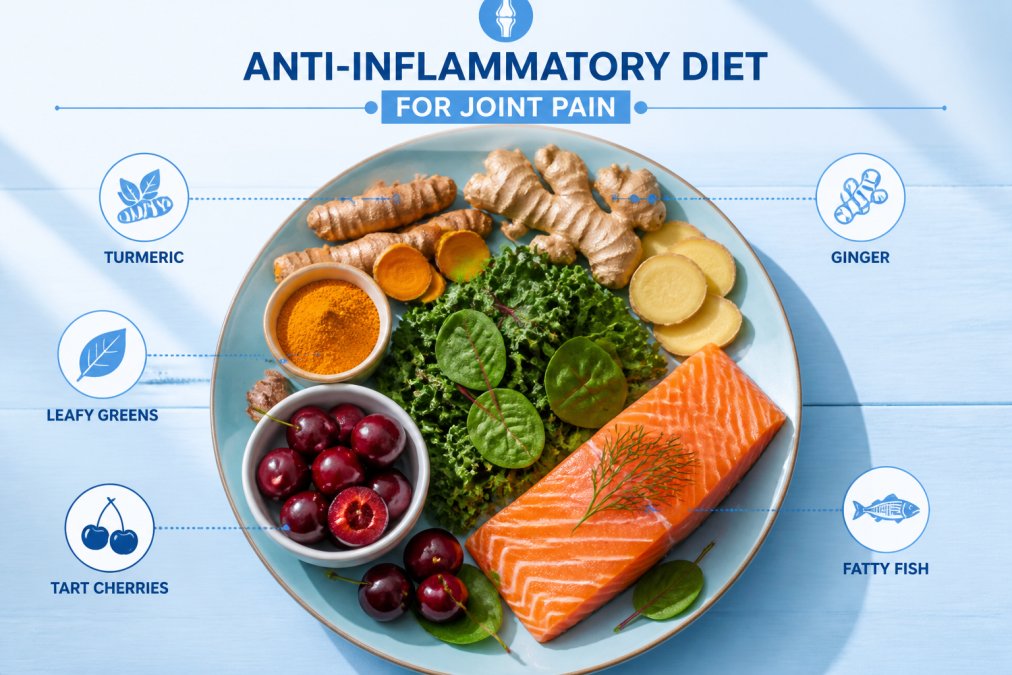
An anti-inflammatory diet addresses the underlying inflammatory cascade that damages cartilage and synovial fluid. Prioritize whole foods containing natural anti-inflammatory compounds while eliminating processed foods that trigger inflammation.
Start with fatty fish (salmon, mackerel, sardines) at least twice weekly. Add cruciferous vegetables like broccoli and Brussels sprouts, which contain sulforaphane, a compound that slows cartilage degradation. Include berries, especially tart cherries with anthocyanins that reduce joint stiffness, plus nuts, seeds, and plant-based oils rich in omega-3s.
Consistency matters: daily consumption of these foods, not occasional inclusion, drives results. Expect 6-12 weeks of consistent eating before noticing significant improvement in joint mobility and pain reduction.
Turmeric and Ginger for Joint Pain: The Gold Standard
Turmeric and ginger remain the most researched organic ingredients for sore joints because their mechanisms are well-documented and measurable.
How Curcumin Works
Curcumin, the active compound in turmeric, inhibits inflammatory cytokines and reduces oxidative stress in joint tissue by suppressing NF-kB, a protein complex that triggers inflammatory gene expression. Ginger contains gingerols and shogaols that reduce prostaglandin production through the same mechanism NSAIDs target, but without gastrointestinal damage. Using both maximizes therapeutic benefit through complementary pathways.
Dosage and Bioavailability
Curcumin has notoriously poor bioavailability on its own, your body absorbs only 5-10% of standard turmeric powder without enhancement. Effective dosing requires black pepper (which contains piperine, increasing curcumin absorption by 2000%) or a standardized extract like BCM-95. Garden of Life Organics Maximum Strength Turmeric contains 500mg of curcumin with fermented ginger root and organic black pepper extract, specifically designed for absorption. For ginger, Oregon's Wild Harvest Organic Ginger Capsules deliver 90 vegan capsules of certified organic ginger root.
Therapeutic dosage for joint pain is 500-1000mg of curcumin daily, split into two doses with food. Ginger works best at 1-2 grams daily. Most people see noticeable improvement within 4-6 weeks.
Other Organic Ingredients for Sore Joints
Beyond turmeric and ginger, several organic compounds have strong evidence supporting their role in joint health through different mechanisms.
Boswellia Extract and Devil's Claw
Boswellia serrata extract, standardized to 65% boswellic acids, reduces cartilage breakdown by inhibiting enzymes that degrade connective tissue. Micro Ingredients Premium Organic Boswellia Serrata Powder delivers standardized potency; typical dosage is 300-500mg of boswellic acids daily.
Devil's claw contains harpagoside, which reduces inflammatory markers in synovial fluid. The two work synergistically: boswellia slows cartilage degradation while devil's claw reduces active inflammation, particularly effective for joint stiffness that worsens with movement.
Omega-3 Fatty Acids and Fish Oil
Omega-3 fatty acids reduce inflammatory prostaglandins and support synovial fluid production. EPA and DHA directly decrease inflammatory cytokines in joint tissue. Nordic Naturals Ultimate Omega provides concentrated EPA and DHA in softgel form, third-party tested for purity. Effective dosage for joint health is 1000-2000mg daily of combined EPA/DHA. Fish oil takes 6-8 weeks to show effects because it gradually shifts your inflammatory baseline, making it ideal to combine with faster-acting ingredients like ginger.
Collagen and Connective Tissue Support
Collagen synthesis requires vitamin C, lysine, and proline. Consuming bioavailable collagen peptides directly may be more effective for joint cushioning than precursors alone. Dosage typically ranges from 5-15 grams daily, taken with vitamin C for optimal synthesis.
MSM (methylsulfonylmethane) provides bioavailable sulfur, essential for collagen cross-linking and joint flexibility. Carlson Labs Pure MSM Sulfur Supplement delivers 1000mg per capsule, providing 330mg of sulfur. Many practitioners combine MSM with glucosamine and chondroitin for comprehensive joint support.
Tart Cherry and Antioxidant Compounds
Tart cherry juice and powder contain anthocyanins that reduce exercise-induced inflammation and joint pain. Traverse Bay Farms Organic Tart Cherry Powder uses 100% Montmorency tart cherries and provides a 96-day supply per pouch. Typical dosage is equivalent to 8-12 ounces of tart cherry juice daily or 500-600mg in powder form. Results appear within 2-3 weeks for most people.
Topical Remedies and Natural Compresses
Topical remedies deliver anti-inflammatory compounds directly to affected joints through skin penetration, working best for localized joint pain. Warm compresses with organic herbs increase blood flow and allow active compounds to penetrate deeper into joint tissue.
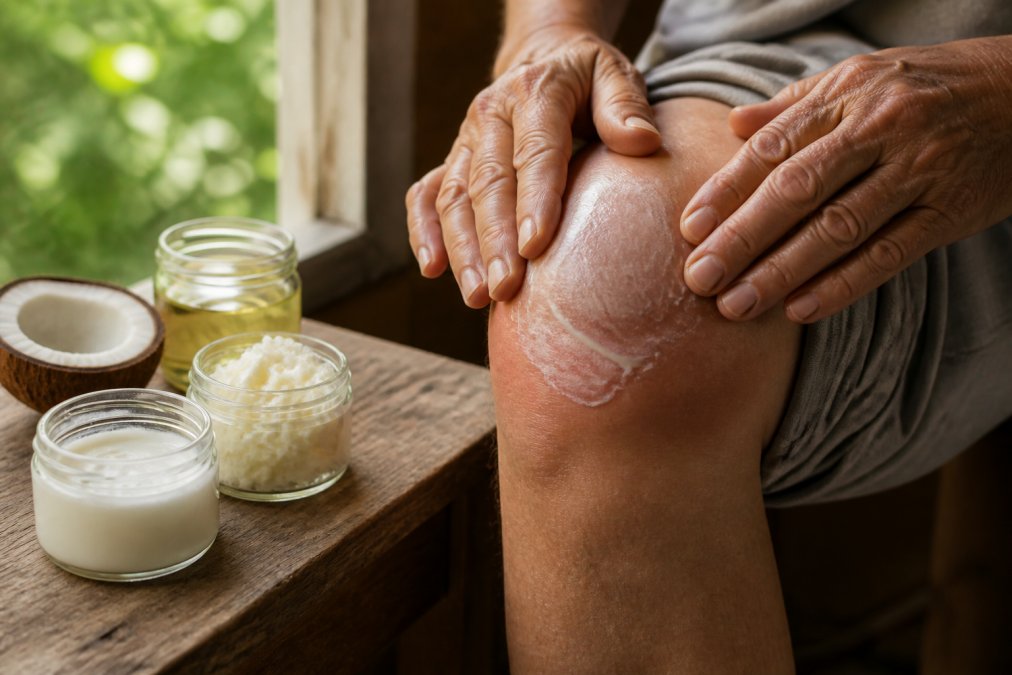
Railroad Remedies (RXR) CBD Relief Lotion 500mg harnesses anti-inflammatory power through full-spectrum CBD combined with organic coconut oil and shea butter, designed for non-greasy absorption. For advanced relief, the CBD/CBC 2000mg Pain Relief Lotion incorporates Cannabichromene (CBC), known for enhanced anti-inflammatory and analgesic properties. CBC adds a complementary mechanism to CBD's anti-inflammatory action, making the 2000mg formula more effective for chronic joint pain.
Apply topical lotion twice daily for mild discomfort, three times daily for acute inflammation. Most users notice improvement within 3-5 days of consistent application.
Organic Sourcing and Quality Assurance
Not all "organic" labels mean the same thing. When selecting organic ingredients for sore joints, verify that suppliers use USDA Certified Organic designation (verified by independent certifiers), third-party testing for potency and contaminants, transparent supply chains, and standardized extracts with verified active compound percentages.
Garden of Life Organics Maximum Strength Turmeric carries USDA Organic and Non-GMO Project Verified certifications. Oregon's Wild Harvest Organic Ginger Capsules are USDA certified organic by Oregon Tilth and verified non-GMO. Avoid products making vague "natural" or "organic-style" claims without third-party verification.
Budget-friendly sourcing doesn't mean compromising quality. Micro Ingredients' Boswellia Serrata Powder is USDA certified and standardized to 65% boswellic acids.
Safety, Side Effects, and Drug-Herb Interactions
Most organic ingredients for sore joints are well-tolerated at therapeutic doses, but interactions exist. Turmeric and curcumin thin blood, increasing bleeding risk with anticoagulants (warfarin, dabigatrel) and antiplatelet drugs (aspirin, clopidogrel). Consult your doctor before supplementing if on these medications.
Ginger has similar blood-thinning properties. High doses (over 3 grams daily) may increase bleeding risk; standard therapeutic doses (1-2 grams daily) are generally safe. Boswellia and devil's claw rarely cause side effects but may interact with NSAIDs or corticosteroids at high doses.
Fish oil can cause mild gastrointestinal upset and increased bleeding risk at very high doses (over 3 grams daily of EPA/DHA). Standard doses of 1-2 grams daily are safe for most people. Collagen supplements are well-tolerated; MSM occasionally causes headaches or skin reactions in sensitive individuals, usually resolving within days.
Start with single ingredients, monitor for side effects, then gradually add complementary compounds to identify any individual sensitivities.
Lifestyle Modifications for Pain Management
Organic ingredients work best combined with lifestyle changes that reduce joint stress and support recovery. Low-impact exercise like swimming, cycling, and tai chi strengthens muscles supporting joints without excessive impact. Aim for 30 minutes of movement 5 days weekly.
Weight management directly reduces joint stress, every pound of body weight increases knee joint loading by 4 pounds during walking. Sleep quality affects inflammation; during deep sleep, your body produces anti-inflammatory cytokines and repairs tissue damage. Aim for 7-9 hours nightly.
Stress management lowers inflammatory markers. Heat therapy before activity and cold therapy after activity manage inflammation and pain. Apply heat for 15 minutes before exercise to increase blood flow; use cold packs for 15 minutes after activity to reduce post-exercise inflammation.
The combination of organic supplements, anti-inflammatory diet, movement, and recovery practices creates the fastest path to pain reduction and improved joint function.
Joint pain doesn't have to limit your life. By combining organic ingredients for sore joints with thoughtful lifestyle changes, you can reduce inflammation, preserve cartilage, and regain mobility. Railroad Remedies (RXR) CBD Relief Lotion 500mg and CBD/CBC 2000mg Pain Relief Lotion provide topical support with organic coconut oil, shea butter, and kukui nut oil, non-greasy formulas designed for deep absorption and lasting relief. Start with dietary changes and oral supplements, add topical relief lotions for localized pain, and commit to consistent movement and recovery practices. Get started with Railroad Remedies (RXR) and experience how premium organic ingredients and thoughtful formulation actually work.
| Ingredient | Primary Benefit | Typical Dosage | Timeline to Results |
|---|---|---|---|
| Turmeric/Curcumin | Systemic anti-inflammation | 500-1000mg daily | 4-6 weeks |
| Ginger | Pain relief, faster acting | 1-2 grams daily | 2-3 weeks |
| Boswellia Extract | Cartilage preservation | 300-500mg daily | 4-8 weeks |
| Omega-3 Fish Oil | Inflammatory baseline shift | 1000-2000mg daily | 6-8 weeks |
| Tart Cherry | Antioxidant, exercise recovery | 500-600mg daily | 2-3 weeks |
| Topical CBD/CBC Lotion | Localized pain relief | Apply 2-3x daily | 3-5 days |
External Resources
For deeper research on joint health and natural remedies, consult these authoritative sources:
According to the Arthritis Foundation's guide to natural remedies, evidence-based supplements like turmeric, ginger, and boswellia show measurable benefits for osteoarthritis pain management when used consistently.
The NIH National Center for Complementary and Integrative Health provides peer-reviewed research on herbal supplements for joint pain, including standardized dosing recommendations and safety considerations.
Research from the American College of Rheumatology emphasizes that combining dietary changes, topical remedies, and movement-based interventions produces superior outcomes compared to any single intervention alone.
Frequently Asked Questions
What are the best organic ingredients for sore joints?
The most effective organic ingredients for sore joints include turmeric (containing curcumin), ginger, boswellia extract, omega-3 fatty acids, and tart cherry. Turmeric stands out for its anti-inflammatory properties, while omega-3s reduce chronic inflammation throughout the body. For topical relief, organic coconut oil and shea butter provide deep hydration and pain management without the side effects of NSAIDs. Many people see results within 2-4 weeks of consistent use.
Does turmeric and ginger for joint pain actually work?
Yes, turmeric and ginger both address joint pain through different mechanisms. Turmeric's curcumin blocks inflammatory molecules, while ginger reduces oxidative stress and synovial fluid inflammation. The key is bioavailability, curcumin is poorly absorbed on its own, so pairing turmeric with black pepper (which contains piperine) increases absorption by up to 2000%. Ginger works best at therapeutic dosages of 1-2 grams daily. Clinical studies show measurable improvements in joint stiffness and mobility within 6-8 weeks.
Are there drug-herb interactions I should know about?
Yes, several organic ingredients interact with common medications. Turmeric can thin blood and may interact with anticoagulants like warfarin. Ginger also has mild blood-thinning properties. Boswellia may reduce the effectiveness of certain pain medications. Omega-3 supplements can interact with blood thinners and NSAIDs. If you're taking prescription medications, especially for blood clotting or pain management, consult your doctor before starting herbal supplements. Always disclose all supplements to your healthcare provider.
How do I know if organic ingredients are actually organic?
Look for USDA Organic certification on product labels, this is the gold standard in the United States. Third-party testing from organizations like NSF International or Non-GMO Project Verified adds credibility. Reputable brands provide transparent supply chain information and batch testing results. Check the product label for certifications, and ask manufacturers for third-party lab reports. Be wary of products claiming organic status without visible certification marks, as this is a common marketing tactic without regulatory backing.
This article was written using GrandRanker
