

Natural Pain Relief for Hand Arthritis: 7 Proven Methods
Table of Contents
- Understanding Hand Arthritis and Joint Inflammation
- Topical CBD for Joint Inflammation: How It Targets Pain
- Natural Alternatives to NSAIDs for Pain Management
- Hand Exercises for Arthritis Relief and Mobility
- Heat, Cold, and Paraffin Wax Treatments
- Anti-Inflammatory Diet and Supplements That Work
- Lifestyle Changes and Nighttime Splinting for Long-Term Relief
- Conclusion
Last Updated: August 25, 2026
Understanding Hand Arthritis and Joint Inflammation
Hand arthritis affects millions of people, particularly as they age. The condition develops when cartilage degradation in the joints leads to inflammation, stiffness, and chronic pain that can make everyday tasks difficult. Natural pain relief for hand arthritis has become increasingly important for those seeking alternatives to traditional NSAIDs, which can cause stomach issues and other side effects with long-term use.

The two most common forms are osteoarthritis and rheumatoid arthritis. Osteoarthritis results from wear and tear on joints over time, while rheumatoid arthritis is an autoimmune condition that causes the body to attack joint tissue. Both conditions trigger synovial fluid changes and joint inflammation that lead to reduced range of motion, tenderness, and swelling.
Understanding what's happening in your joints helps you choose the right approach. When cartilage breaks down, the protective layer between bones diminishes, increasing friction and inflammation. This inflammatory response is where many natural remedies focus their attention, by targeting the root cause rather than just masking pain.
The good news: you have more options than ever. From topical treatments to lifestyle modifications, natural pain relief for hand arthritis can be remarkably effective when combined strategically. Many people find that a multi-pronged approach, combining topical solutions, exercises, dietary changes, and lifestyle adjustments, delivers better results than relying on a single method.
Topical CBD for Joint Inflammation: How It Targets Pain
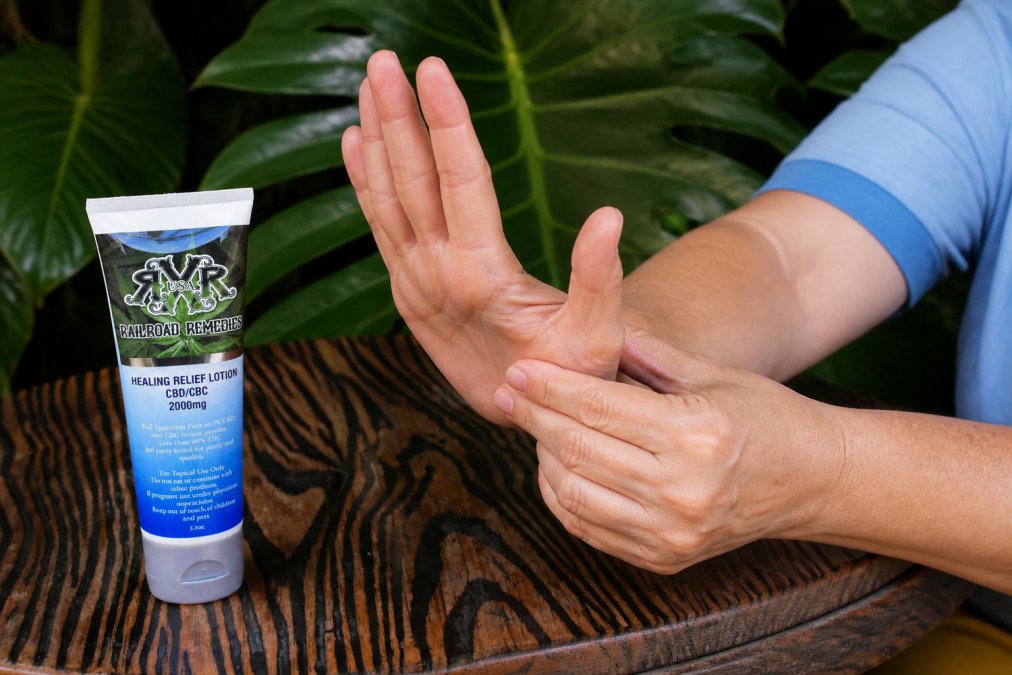
Topical CBD has emerged as one of the most promising natural alternatives for managing joint inflammation and hand arthritis pain. When applied directly to affected areas, CBD penetrates the skin to interact with cannabinoid receptors in localized tissues, potentially reducing inflammatory responses without the systemic effects of oral medications.
The mechanism works through the endocannabinoid system. CBD doesn't bind directly to CB1 or CB2 receptors like THC does; instead, it modulates how your body processes pain signals and inflammatory cytokines. This targeted approach means relief can arrive within minutes of application, making topical CBD particularly useful for acute flare-ups.
What makes CBD different from standard pain creams is its dual action. While topical analgesics numb the area temporarily, CBD addresses the underlying inflammation driving the pain. This is why many people report sustained relief rather than just temporary numbness.
For advanced relief, formulations that combine CBD with CBC (Cannabichromene) offer enhanced anti-inflammatory and analgesic properties. Railroad Remedies (RXR) offers a CBD/CBC 2000mg Pain Relief Lotion specifically formulated for joint pain and arthritis. The combination of full-spectrum cannabinoids with organic coconut oil and shea butter creates a fast-acting formula that penetrates deeply while providing lasting skin hydration.
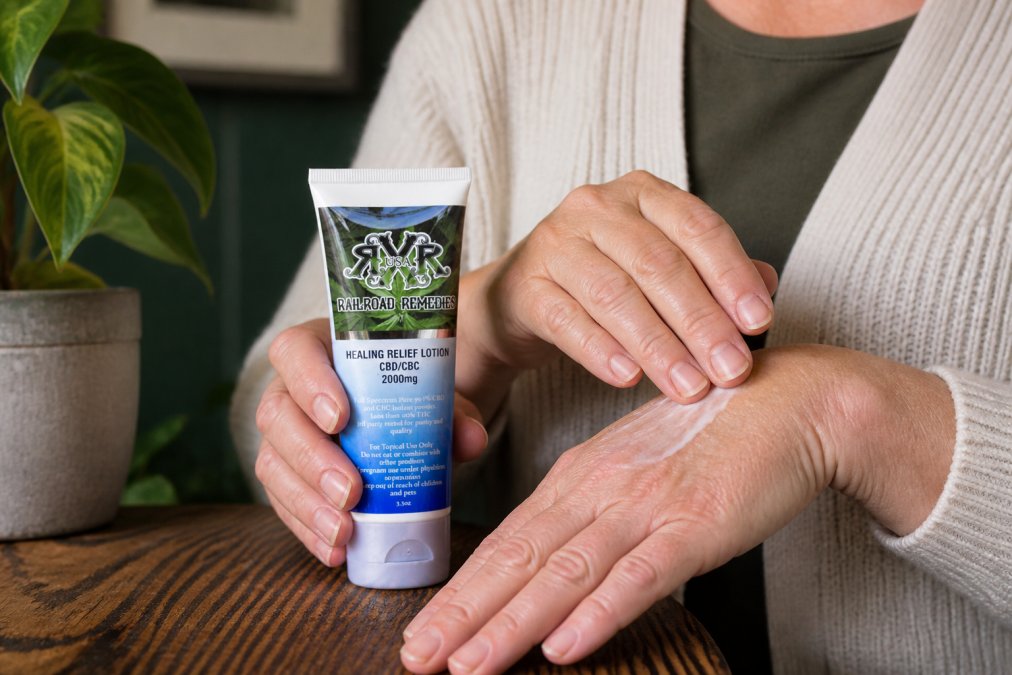
The non-greasy absorption matters more than people realize. Many arthritis sufferers abandon pain creams because they interfere with daily activities. Railroad Remedies (RXR) formulations are designed to absorb quickly without leaving residue, so you can apply them and continue with your day immediately.
Natural Alternatives to NSAIDs for Pain Management
NSAIDs like ibuprofen and naproxen work quickly, but long-term use carries risks, stomach ulcers, kidney problems, and cardiovascular concerns become more likely with extended use (the FDA). Many people over 50 dealing with chronic hand arthritis pain find that natural alternatives either replace NSAIDs entirely or reduce their reliance significantly.
Herbal supplements and natural extracts offer anti-inflammatory properties without the same side effect profile. Turmeric curcumin is one of the most researched options. The active compound curcumin reduces oxidative stress and inflammatory markers in the body (peer-reviewed research). Studies suggest it works best when combined with black pepper (piperine), which enhances absorption significantly.
Boswellia serrata, also called Indian frankincense, has been used for centuries in Ayurvedic medicine. Many people find it reduces joint inflammation and improves mobility when taken consistently over 4-8 weeks. The resin contains boswellic acids that appear to inhibit inflammatory pathways similar to how NSAIDs work, but without the gastrointestinal risks.
Ginger root is another accessible option. Fresh ginger contains gingerols and shogaols, compounds with anti-inflammatory and analgesic properties. Adding fresh ginger to tea or meals, or taking ginger supplements, can help manage pain and stiffness. The benefit builds over time rather than providing immediate relief like NSAIDs.
Omega-3 fatty acids from fish oil or flaxseed reduce inflammatory markers in the body. These work systemically rather than locally, addressing inflammation from the inside out. Many people with hand arthritis see improvement in swelling and stiffness after 6-12 weeks of consistent omega-3 supplementation.
Hand Exercises for Arthritis Relief and Mobility
Gentle, consistent hand exercises are crucial for maintaining range of motion and preventing further stiffness. The goal isn't to push through pain, it's to move within your comfortable range and gradually expand it over time. Most arthritis-friendly exercises take just 10-15 minutes daily.
Start with finger flexion and extension. Make a loose fist, hold for 2 seconds, then straighten your fingers fully. Repeat 10 times. This simple movement maintains flexibility and keeps synovial fluid moving through the joints, which reduces stiffness over time.
Finger spreading exercises work the muscles and ligaments that support hand stability. Spread your fingers wide apart, hold for 2 seconds, then relax. Repeat 10 times. You can increase difficulty by placing a rubber band around your fingers and working against the resistance.
Thumb opposition exercises strengthen the muscles controlling thumb movement. Touch each finger tip with your thumb, making an "O" shape with each finger. This maintains dexterity and grip strength, both decline rapidly if hand arthritis goes unmanaged.
Wrist rotations and circles improve wrist mobility without stressing the finger joints. Extend your arm, make slow circles with your hand, 10 circles in each direction. This maintains the connection between hand and wrist health.
The key to success with hand exercises is consistency over intensity. Doing gentle movements daily beats occasional aggressive stretching. Many people find that doing exercises right after a warm shower or after applying heat therapy is easier, the tissues are more pliable and less stiff.
Heat, Cold, and Paraffin Wax Treatments
Temperature-based therapies address different aspects of hand arthritis pain. Heat reduces stiffness and muscle tension, while cold reduces acute swelling and inflammation. Many people find alternating between both provides the best relief.
Heat therapy works by increasing blood flow to affected joints, which delivers oxygen and nutrients while reducing stiffness. Warm water soaks, heating pads, or warm compresses applied for 15-20 minutes can significantly improve mobility before exercises or daily activities. Some people do heat therapy first thing in the morning to reduce morning stiffness that often accompanies arthritis.
Cold therapy reduces inflammation and numbs acute pain. Cold compresses applied for 10-15 minutes can bring down swelling after activities that aggravate your arthritis. Cold works particularly well after flare-ups or when you've done more activity than usual.
Paraffin wax treatments combine heat with moisture penetration. Your hands are dipped into warm paraffin wax, creating a seal that traps heat and allows deeper penetration than dry heat alone. The wax cools around your hands for 15-20 minutes, providing sustained warmth that many people find remarkably soothing. Paraffin treatments can be done at home with an inexpensive paraffin bath kit or at physical therapy clinics.
The timing matters. Use heat before exercises or activities to prepare your joints. Use cold after activities if swelling increases. Many people establish a routine: morning heat therapy, daytime topical treatments like Railroad Remedies (RXR) CBD lotions, and evening cold therapy if needed.
Anti-Inflammatory Diet and Supplements That Work
What you eat directly impacts joint inflammation. An anti-inflammatory diet reduces oxidative stress and supports cartilage health while limiting foods that trigger inflammatory responses.
Focus on foods rich in omega-3 fatty acids: fatty fish like salmon, sardines, and mackerel; flaxseeds; and walnuts. These reduce systemic inflammation that contributes to hand arthritis pain. Aim for at least two servings of fatty fish weekly.
Colorful vegetables and fruits contain antioxidants that combat oxidative stress in joints. Berries, leafy greens, bell peppers, and cruciferous vegetables like broccoli are particularly beneficial. The polyphenols in these foods have anti-inflammatory properties.
Limit foods that trigger inflammation. Refined carbohydrates, excessive sugar, and processed oils increase inflammatory markers in the body. Reducing these doesn't require perfection, even modest reductions often produce noticeable improvements in joint pain and swelling.
Supplement timing and consistency matter more than most people realize. Taking turmeric or boswellia sporadically won't deliver results. Consistent daily use over 4-8 weeks allows these compounds to accumulate and reduce inflammation meaningfully.
Vitamin D deficiency is common in people with joint pain, and adequate vitamin D supports bone and cartilage health. Many people benefit from supplementation, particularly in winter months or if they have limited sun exposure.
Lifestyle Changes and Nighttime Splinting for Long-Term Relief
Long-term management of hand arthritis requires protecting your joints from excessive stress while maintaining the activity needed to preserve function. Small daily adjustments compound into significant improvements over months.
Ergonomic modifications reduce strain on arthritic hands throughout the day. Use larger-handled tools and utensils, they distribute pressure across a wider area, reducing force needed to grip. Jar openers, ergonomic keyboards, and adaptive utensils aren't just conveniences; they're injury prevention. Many people find that switching to ergonomic tools reduces pain flare-ups simply by reducing daily joint stress.
Take frequent breaks from repetitive hand activities. If you spend hours typing, texting, or doing fine motor work, break every 30-45 minutes to rest your hands. During breaks, do gentle stretches or apply topical pain relief like Railroad Remedies (RXR) CBD Relief Lotion to maintain comfort throughout the day.
Nighttime splinting is one of the most underutilized strategies for managing hand arthritis. Wearing a properly fitted splint while sleeping keeps your hands in a neutral position, preventing the stiffness that develops from hours of unconscious gripping or flexing. Many people wake with significantly less pain and stiffness when using nighttime splints consistently.
Splints come in various styles, some immobilize the entire hand, while others support just the thumb or specific fingers. The goal is neutral positioning without excessive constraint. Most people need 2-3 weeks to adjust to wearing a splint, but the improvement in morning stiffness makes it worthwhile.
Stress management indirectly impacts arthritis pain. Stress increases inflammatory markers and muscle tension, both of which worsen arthritis symptoms. Mindfulness practices, gentle yoga, or meditation can reduce stress-related inflammation. The mind-body connection is real, people who manage stress effectively typically experience less joint pain.
Weight management, if relevant, reduces stress on hand joints. Extra body weight increases overall inflammatory markers and forces your hands to work harder during daily activities.
Managing hand arthritis naturally requires a multi-faceted approach. The combination of topical CBD treatments, strategic exercises, dietary changes, and lifestyle modifications addresses inflammation from multiple angles, delivering more sustainable relief than any single method alone. Railroad Remedies (RXR) provides premium CBD and CBC pain relief lotions specifically formulated for joint inflammation and arthritis pain. With organic ingredients like coconut oil and shea butter, their fast-absorbing formulas deliver relief within minutes while supporting long-term skin health. Start with topical application combined with heat therapy and gentle exercises, most people see meaningful improvement within 2-3 weeks of consistent practice.
Frequently Asked Questions
Q: What can you do for painful arthritic hands?
A: Painful arthritic hands respond best to a combination approach: topical CBD and natural pain relief lotions reduce inflammation quickly, hand exercises maintain range of motion, heat therapy eases stiffness, and anti-inflammatory foods support long-term joint health. Nighttime splinting protects your hands while sleeping. Most people see noticeable improvement within 2-3 weeks of consistent treatment. Start with one or two methods and add others as needed based on what works for your specific symptoms.
Q: Are there natural alternatives to NSAIDs for chronic joint pain?
A: Yes. Topical CBD and CBC lotions deliver anti-inflammatory relief without systemic side effects. Turmeric curcumin, boswellia serrata, and omega-3 fatty acids reduce joint inflammation when taken regularly. Paraffin wax treatments and cold/heat therapy provide immediate relief. Gentle hand exercises improve synovial fluid distribution and reduce cartilage degradation. These methods work best when combined, for example, using a topical lotion while doing daily stretches. Many people reduce or eliminate NSAID use by layering these approaches.
Q: How long does it take to see results from natural pain relief methods?
A: Topical treatments like CBD lotions work within minutes to hours for acute pain. Heat and cold therapy provide relief in 15-20 minutes. Hand exercises and dietary supplements take 2-4 weeks of consistent use to show measurable improvement in stiffness and swelling. Nighttime splinting reduces morning stiffness within a few days. The fastest results come from combining immediate relief (topical + heat/cold) with ongoing prevention (exercises + diet). Most people report significant symptom improvement within 3-6 weeks.
Q: Is topical CBD safe for sensitive skin from radiation therapy or other conditions?
A: Topical CBD lotions formulated with organic, gentle ingredients like coconut oil and shea butter are generally well-tolerated by sensitive skin. However, if you have radiation-damaged skin, eczema, or other dermatological conditions, patch test first on a small area. Look for non-greasy, easily absorbed formulas that won't clog pores or irritate. Avoid lotions with synthetic fragrances or harsh additives. If irritation occurs, discontinue and consult your dermatologist. High-quality CBD lotions designed for sensitive skin provide soothing hydration without the risk of NSAIDs' systemic side effects.
This article was written using GrandRanker
