

Natural Alternatives to NSAIDs for Pain Relief
Table of Contents
- Why People Seek Natural Alternatives to NSAIDs
- Side Effects of Long-Term NSAID Use and When to Consider Alternatives
- CBD and Topical Cannabinoids for Pain Management
- Herbal and Supplement-Based Pain Relief Options
- Topical Pain Relief: Prescription Alternatives and Natural Options
- How to Reduce Inflammation Naturally Without Medication
- Anti-Inflammatory Supplements for Joint Pain and Dosage Guidelines
- Drug-Herb Interactions and Safety Considerations
Last Updated: August 15, 2026
Why People Seek Natural Alternatives to NSAIDs
Long-term NSAID use creates complications that often outweigh their benefits for chronic pain management. While NSAIDs effectively reduce inflammation short-term, many individuals experience adverse effects within months or years. Natural alternatives to NSAIDs have gained significant traction among those seeking pain relief without cumulative pharmaceutical risks.

At Railroad Remedies (RXR), we've observed this transition firsthand. Patients managing arthritis, nerve pain, and muscle soreness increasingly ask about options that address inflammation without pharmaceutical side effects. Research supporting certain natural compounds has strengthened considerably, making it possible to discuss these alternatives with genuine confidence.
Side Effects of Long-Term NSAID Use and When to Consider Alternatives
Regular NSAID use carries documented risks that accumulate over time. Gastrointestinal complications represent the most common concern: chronic users report increased incidence of ulcers, bleeding, and digestive discomfort. Cardiovascular effects emerge with extended use, particularly in individuals with existing heart conditions. Kidney function can deteriorate gradually, especially in older adults or those with pre-existing renal conditions.
Many people also experience medication tolerance, where the same dose becomes progressively less effective, creating pressure to increase dosage and amplify associated risks.
Consider natural alternatives to NSAIDs if you experience documented side effects, stomach pain, or changes in kidney function markers; if your medications interact poorly with other prescriptions; or if you prefer minimizing pharmaceutical exposure. Research suggests that individuals taking NSAIDs regularly for longer than two years should discuss alternatives with their healthcare provider.
| Concern | Timeline | Action |
|---|---|---|
| Gastrointestinal symptoms | Weeks to months | Discuss with provider; explore alternatives |
| Medication tolerance | 6-18 months | Consider rotating approaches or natural options |
| Kidney function changes | 1-3 years | Monitor bloodwork; evaluate long-term strategy |
| Cardiovascular risk factors | Ongoing | Reassess if pre-existing conditions present |
CBD and Topical Cannabinoids for Pain Management
Cannabidiol (CBD) has emerged as one of the most researched natural alternatives to NSAIDs for localized and systemic pain. Unlike THC, CBD produces no intoxicating effects, making it suitable for daily use without impairment. The compound interacts with the body's endocannabinoid system, which regulates inflammation, pain perception, and immune response.
Topical CBD products deliver cannabinoids directly to affected areas, bypassing first-pass liver metabolism. Many users report faster onset and more targeted relief compared to oral supplements.
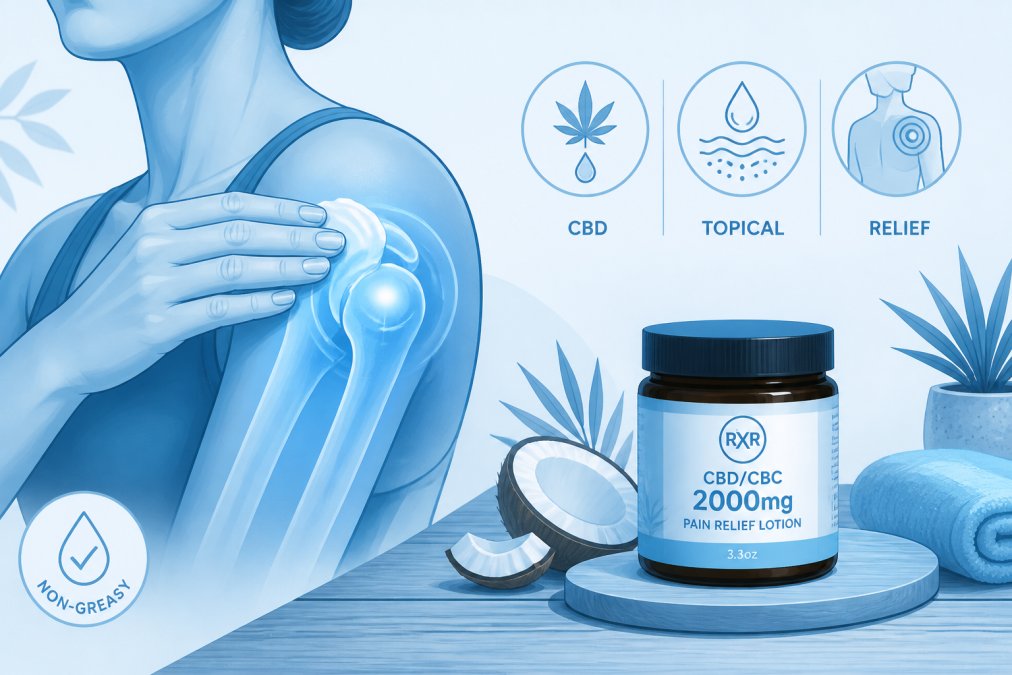
How CBD Works for Inflammation
CBD reduces inflammation through multiple mechanisms. The compound binds to CB2 receptors located throughout the immune system and peripheral nervous system, reducing production of pro-inflammatory cytokines. Additionally, CBD inhibits the enzyme FAAH, which normally breaks down anandamide, an endocannabinoid that naturally suppresses pain signals. By preserving anandamide levels, CBD extends the body's own pain-relief mechanisms.
Unlike NSAIDs, which provide rapid relief but carry systemic risks, CBD builds effectiveness over days to weeks of consistent use. The body doesn't develop tolerance, and the mechanism doesn't involve gastrointestinal or cardiovascular systems.
CBD/CBC Topical Lotions vs. Oral Tinctures
Topical applications work best for localized joint pain, muscle soreness, and skin conditions, penetrating through the skin barrier without entering the bloodstream systematically. Oral tinctures offer broader systemic benefits, circulating throughout your body to address generalized inflammation, nerve pain affecting multiple areas, or conditions where the pain source isn't localized.
Railroad Remedies (RXR) offers both formats. The CBD/CBC 2000mg Pain Relief Lotion combines full-spectrum CBD with Cannabichromene (CBC), a cannabinoid with enhanced anti-inflammatory properties. For oral administration, the Morning Star Berry, Polar Express Peppermint, and Pacific Sunrise Peace CBD Tinctures provide consistent dosing with organic ingredients and no intoxicating effects.

Topicals provide concentrated local relief without systemic circulation; tinctures address pain originating from inflammation throughout the body. Many people use both approaches.
Herbal and Supplement-Based Pain Relief Options
Centuries of traditional medicine have identified plant compounds with genuine anti-inflammatory properties. Modern research has validated many of these, revealing the specific mechanisms behind their effectiveness.
Turmeric and Curcumin for Anti-Inflammatory Support
Turmeric contains curcumin, a polyphenol that ranks among the most potent natural anti-inflammatory compounds. Curcumin blocks NF-kappa B, a molecule that triggers inflammatory gene expression. The challenge lies in bioavailability; combining curcumin with black pepper (which contains piperine) increases absorption by approximately 2000%, making the combination significantly more effective than turmeric alone.
For chronic pain management, curcumin works best as a preventive approach. Consistent use over weeks builds anti-inflammatory capacity. People with arthritis or systemic inflammation often report meaningful improvement after 4-8 weeks of regular supplementation. Dosage typically ranges from 500-2000mg daily, depending on formulation and bioavailability enhancement.
Ginger, Omega-3 Fatty Acids, and Other Natural Remedies
Ginger contains gingerols and shogaols, compounds that inhibit inflammatory pathways similar to NSAIDs but without systemic side effects. Fresh ginger provides the highest gingerol content; dried ginger contains more shogaols, which some research suggests may be more potent for pain relief.
Omega-3 fatty acids from fish oil reduce inflammation by competing with arachidonic acid, the precursor to pro-inflammatory compounds. The anti-inflammatory effect develops gradually over weeks but proves remarkably durable with consistent intake.
Other herbal options include valerian root for pain and muscle tension, capsaicin for depleting substance P (a neurotransmitter involved in pain perception), and tart cherry for its anthocyanins with anti-inflammatory properties. Each works through distinct mechanisms, making them suitable for combining in comprehensive pain management strategies. Consistency matters; herbal remedies typically require weeks of regular use before delivering noticeable benefit.
Topical Pain Relief: Prescription Alternatives and Natural Options
Topical analgesics deliver pain relief directly to affected areas without systemic absorption. Prescription options include lidocaine patches and diclofenac gel. Natural topical alternatives include CBD lotions and capsaicin creams.
CBD topicals like Railroad Remedies (RXR)'s formulations provide anti-inflammatory and analgesic effects without the numbing sensation of lidocaine or NSAID concerns of diclofenac. The organic base ingredients, coconut oil, shea butter, and kukui nut oil, provide additional skin benefits including hydration and nourishment.
Topical approaches offer safety advantages and lack of systemic side effects, making them ideal for long-term use, particularly for chronic conditions like arthritis.
How to Reduce Inflammation Naturally Without Medication
Reducing inflammation through lifestyle approaches provides foundational support for any pain management strategy, working synergistically with natural alternatives to NSAIDs.
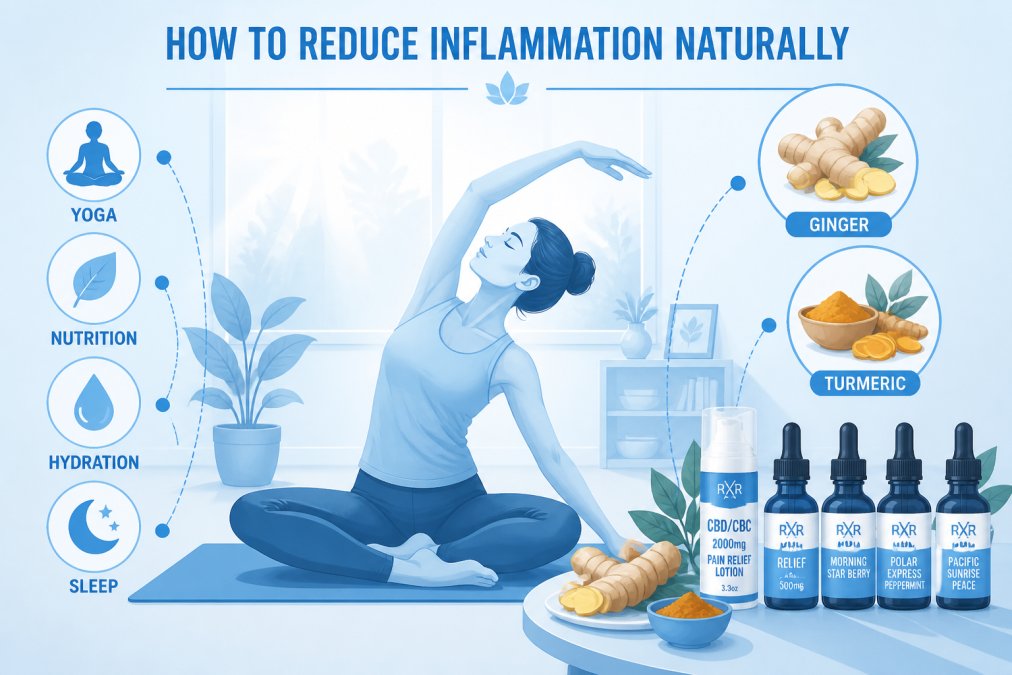
Movement and physical activity rank among the most powerful anti-inflammatory interventions. Regular, moderate exercise, walking, swimming, or gentle yoga, reduces systemic inflammation markers while improving joint mobility and muscle strength.
Dietary modifications significantly impact inflammation levels. Reducing processed foods and refined carbohydrates while increasing omega-3 sources and colorful vegetables shifts the body's inflammatory balance.
Sleep quality directly influences inflammation. During deep sleep, the body produces cytokines that suppress inflammation. Prioritizing 7-9 hours of consistent sleep provides measurable anti-inflammatory benefits within weeks.
Stress management reduces cortisol and other stress hormones that amplify inflammatory responses. Meditation, breathing exercises, or time in nature reduces systemic inflammation while improving pain perception.
Temperature therapy provides immediate relief. Heat relaxes muscle tension and improves circulation, while cold reduces acute inflammation and numbs pain signals.
These approaches complement natural alternatives to NSAIDs. Someone using CBD topicals while practicing consistent exercise, improving sleep, and managing stress experiences better outcomes than relying solely on supplements or topicals.
Anti-Inflammatory Supplements for Joint Pain and Dosage Guidelines
Supplementation requires standardization to ensure consistent results. Quality varies dramatically between brands.
Curcumin supplements work best at 500-2000mg daily, with curcumin content clearly stated on the label. Formulations including black pepper extract require lower doses due to enhanced bioavailability.
Ginger can be taken as fresh root (1-2 grams daily), dried powder (1-2 grams daily), or standardized extract (1-2 grams daily).
Omega-3 fatty acids from fish oil typically require 1-3 grams daily of combined EPA and DHA to produce anti-inflammatory effects.
CBD supplements vary enormously in quality and actual cannabinoid content. Railroad Remedies (RXR)'s tinctures provide consistent dosing with full-spectrum CBD from organic hemp. Starting with 10-20mg daily and gradually increasing allows you to find your effective dose.
Start low and progress gradually. Most natural supplements build effectiveness over weeks, and consistency matters more than high doses.
Drug-Herb Interactions and Safety Considerations
Natural alternatives to NSAIDs aren't automatically safe simply because they're natural. Several important interactions deserve attention.
CBD interactions occur primarily with medications metabolized by the cytochrome P450 enzyme system, including blood thinners, blood pressure medications, and certain psychiatric drugs. CBD can increase blood concentration of these medications.
Curcumin can increase bleeding risk when combined with blood thinners like warfarin or aspirin. It may also interact with diabetes medications.
Ginger shares similar concerns with curcumin regarding increased bleeding risk with anticoagulants and potential interactions with diabetes medications.
Omega-3 supplements at very high doses (above 3 grams daily) can increase bleeding risk with anticoagulant medications. Standard therapeutic doses rarely cause problems.
Capsaicin topicals can interact with certain pain medications and may cause temporary burning or irritation in sensitive individuals.
Inform your healthcare provider about any natural alternatives to NSAIDs you're considering, particularly if you take prescription medications. Most interactions are manageable through dose timing or adjustment. Quality and purity matter for safety; reputable manufacturers provide third-party testing results and transparent ingredient lists. Railroad Remedies (RXR) products include detailed ingredient information and sourcing transparency specifically to address these safety concerns.
Natural alternatives to NSAIDs offer genuine benefits for people seeking to manage chronic pain without long-term pharmaceutical risks. Evidence supporting CBD, curcumin, ginger, and other natural compounds continues strengthening. These alternatives work best as part of a comprehensive approach that includes lifestyle modifications, physical activity, and sleep optimization.
If you're struggling with NSAID-related side effects or prefer natural options, Railroad Remedies (RXR)'s CBD and CBD/CBC formulations provide professional-grade relief with organic, carefully sourced ingredients. The 2000mg CBD/CBC Pain Relief Lotion delivers advanced anti-inflammatory support through topical application, while our CBD tinctures address systemic inflammation through oral administration. Both approaches eliminate gastrointestinal and cardiovascular concerns associated with long-term NSAID use while providing measurable pain relief. Start your exploration of natural alternatives to NSAIDs with Railroad Remedies (RXR) and experience the difference premium formulation makes.
Frequently Asked Questions
What are the best natural alternatives to NSAIDs for chronic pain?
The most effective natural alternatives to NSAIDs include CBD topical lotions, turmeric with curcumin, ginger, and omega-3 fatty acids. Topical CBD products like Railroad Remedies' CBD/CBC 2000mg lotion ($69.99) work within minutes by targeting localized inflammation. Oral supplements like turmeric and ginger address systemic inflammation, while physical therapy and heat/cold therapy provide additional relief. The best choice depends on your pain type and whether you need localized or whole-body relief.
Can turmeric or ginger really replace ibuprofen for inflammation?
Turmeric and ginger have documented anti-inflammatory properties, but they work differently than NSAIDs. NSAIDs block prostaglandin production immediately; turmeric and ginger reduce inflammation more gradually by lowering oxidative stress and inflammatory markers. For acute pain, they may not match NSAID speed, but for chronic inflammation and joint pain, consistent use can provide comparable relief without gastrointestinal side effects. Many people combine them for better results.
What are the main risks of taking NSAIDs long-term?
Long-term NSAID use carries significant risks: gastrointestinal bleeding and ulcers, kidney damage, increased cardiovascular events, and liver problems. People over 60 face higher risks. These side effects often develop silently, making regular monitoring necessary. This is why many patients with chronic pain switch to natural alternatives like CBD topicals or herbal supplements that address inflammation without these systemic risks.
How do I know if a natural pain relief product actually works?
Look for third-party testing results, ingredient transparency, and customer reviews from verified purchases. Quality CBD products should display lab reports showing cannabinoid content and absence of contaminants. For supplements like turmeric, verify the curcumin percentage and bioavailability enhancers like black pepper. Start with lower doses and track your pain levels over 2-4 weeks. Railroad Remedies products are formulated with organic ingredients and designed for fast absorption.
Is it safe to use topical CBD lotions if I have sensitive skin from radiation therapy?
Most quality topical CBD lotions are formulated for sensitive skin, but check the ingredient list first. Railroad Remedies' CBD lotions contain soothing ingredients like aloe, hyaluronic acid, and shea butter specifically chosen for skin healing and hydration. However, if you have active radiation burns or severe sensitivity, patch-test on a small area first or consult your oncologist. The non-greasy formula absorbs quickly without irritating compromised skin.
What's the difference between CBD and CBC, and why does the 2000mg blend cost more?
CBC (Cannabichromene) is a lesser-known cannabinoid with enhanced anti-inflammatory and analgesic properties beyond CBD alone. The 2000mg CBD/CBC blend ($69.99) combines both compounds for stronger pain relief and inflammation reduction than CBD-only products. This synergistic effect, called the entourage effect, requires more complex extraction and formulation, which increases cost. For severe arthritis or chronic nerve pain, the extra strength often justifies the investment.
Can I use the same CBD lotion on my dog for arthritis as I use myself?
Some CBD products are safe for pets, but not all formulations work the same way. Always check the product label for pet safety claims. Railroad Remedies products are formulated for human skin and may contain ingredients or concentrations not tested for pets. If interested in CBD for your dog, consult your veterinarian first and use products specifically labeled as pet-safe. Many vets now recommend CBD for aging dogs with arthritis.
This article was written using GrandRanker
