

Kukui Nut Oil for Skin: 7 Science-Backed Benefits
Table of Contents
- What Is Kukui Nut Oil and Why It Matters for Skin Health
- Deep Hydration and Moisture Retention: The Core Benefit
- Anti-Inflammatory and Antioxidant Properties for Aging Skin
- Supports Skin Barrier Repair and Reduces Irritation
- Pure Kukui Nut Oil: What to Look For and Why Quality Matters
- Kukui Nut Oil for Sensitive Skin: Safety and Soothing Benefits
- How to Use Kukui Nut Oil on Your Face: Application Steps and Tips
- Kukui Nut Oil for Sunburn Relief and Post-Treatment Skin Care
Kukui Nut Oil for Skin: 7 Science-Backed Benefits
Last Updated: July 31, 2026
The benefits of kukui nut oil for skin have been recognized for centuries in Hawaiian traditional medicine, and modern skincare enthusiasts are rediscovering this potent botanical extract. At Railroad Remedies (RXR), we formulate premium topical treatments that harness natural ingredients like kukui nut oil to deliver measurable results for aging, irritated, and compromised skin. If you've struggled with chronic dryness, inflammation, or the lingering effects of medical treatments like radiation therapy, this guide explains exactly why kukui nut oil deserves a place in your daily skincare routine.
What Is Kukui Nut Oil and Why It Matters for Skin Health
Kukui nut oil is a nutrient-dense botanical extract derived from the candlenut tree, native to Hawaii and other Pacific regions. Cold-pressed from kukui nut kernels, it contains high concentrations of omega-3 and omega-6 polyunsaturated fatty acids, along with vitamins A, C, and E that repair and protect skin.
Unlike coconut oil and mineral oil that sit on the skin's surface, kukui nut oil's molecular structure allows it to absorb deeply into the epidermis and dermis layers. This penetration is crucial for people with radiation-damaged skin or chronic eczema, where the compromised skin barrier requires deep hydration at the cellular level. The linoleic acid and alpha-linolenic acid content supports the skin's lipid barrier, the protective layer responsible for retaining moisture and blocking environmental irritants.
Deep Hydration and Moisture Retention: The Core Benefit
Hydration forms the foundation of healthy skin, yet many moisturizers only coat the surface without addressing cellular dehydration. Kukui nut oil works differently because its fatty acid profile mimics the skin's natural sebum, allowing it to integrate into the lipid barrier rather than sitting atop it.
The linoleic acid in kukui nut oil is essential for maintaining the skin's moisture-retention capacity. Studies show that linoleic acid supplementation through topical application can restore the skin barrier's water-holding capacity within 2-4 weeks of consistent use. For people managing chronic conditions like eczema or psoriasis, kukui nut oil provides sustained moisture without the irritation that synthetic humectants sometimes trigger.
Unlike lightweight serums that draw moisture temporarily, kukui nut oil creates a lasting moisture barrier that protects against transepidermal water loss (TEWL), the evaporation of water from the skin's surface. This is especially valuable for people in dry climates or those recovering from medical treatments that damage the skin barrier.
Anti-Inflammatory and Antioxidant Properties for Aging Skin
Inflammation accelerates skin aging more than almost any other single factor. Kukui nut oil contains vitamin E and other antioxidants that neutralize free radicals responsible for oxidative stress and premature aging. This antioxidant activity is particularly important for people who've undergone radiation therapy or chemotherapy, as these treatments generate significant oxidative stress in skin tissue.
The anti-inflammatory compounds in kukui nut oil work on multiple pathways, reducing redness and irritation while supporting the skin's immune response to environmental stressors. Vitamin C in kukui nut oil supports collagen production, the structural protein that keeps skin firm and elastic. This mechanism is why kukui nut oil for skin shows measurable improvements in fine lines and skin texture with consistent use over 8-12 weeks.
Supports Skin Barrier Repair and Reduces Irritation
The skin barrier is your body's first line of defense against pathogens, irritants, and water loss. When compromised from over-exfoliation, harsh products, or medical treatments, skin becomes reactive, tight, and prone to inflammation and sensitivity.
Pure kukui nut oil actively repairs barrier function rather than simply providing temporary relief. Its fatty acid composition closely mirrors the intercellular lipids that hold skin cells together, allowing it to fill gaps in a damaged barrier and restore integrity. This repair process typically takes 3-4 weeks of daily application, with dramatic results: reduced sensitivity, less redness, and improved skin texture.
The non-irritating nature of kukui nut oil means you can use it alongside other actives without triggering sensitivity reactions. Unlike some oils that feel heavy or occlusive, kukui nut oil absorbs within 10-15 minutes, leaving skin soft and hydrated without greasy residue.
Pure Kukui Nut Oil: What to Look For and Why Quality Matters
Not all kukui nut oil products are created equal. Extraction method, storage conditions, and sourcing practices dramatically affect the oil's potency and safety.
Look for cold-pressed or expeller-pressed kukui nut oil, which preserves heat-sensitive nutrients like vitamin E and antioxidants. The best kukui nut oil should be stored in dark glass bottles, as light exposure degrades antioxidants over time. Organic certification matters for topical oils because pesticide residues concentrate in plant oils and can accumulate in your skin with repeated application.
Kukui Nut Oil for Sensitive Skin: Safety and Soothing Benefits
Sensitive skin requires careful ingredient selection because many common skincare products trigger redness, burning, or itching. Kukui nut oil is exceptionally well-tolerated, with very low incidence of allergic reactions or irritation even in people with rosacea, eczema, or dermatitis.
The soothing properties come from anti-inflammatory compounds and the gentle way it integrates into the skin barrier without disrupting natural pH. For people with eczema or psoriasis, kukui nut oil provides relief from itching and redness while supporting healing. Many people with chronic skin conditions report that consistent use allows them to reduce or eliminate topical steroid use under medical supervision.
One caveat applies: people with tree nut allergies should exercise caution. While kukui nut oil is not a common allergen, cross-reactivity with other tree nuts is possible. Perform a patch test on a small area (such as behind the ear) before applying to your face. Wait 24-48 hours to confirm no allergic reaction occurs.
How to Use Kukui Nut Oil on Your Face: Application Steps and Tips
Proper application technique maximizes benefits while minimizing the risk of congestion or irritation.
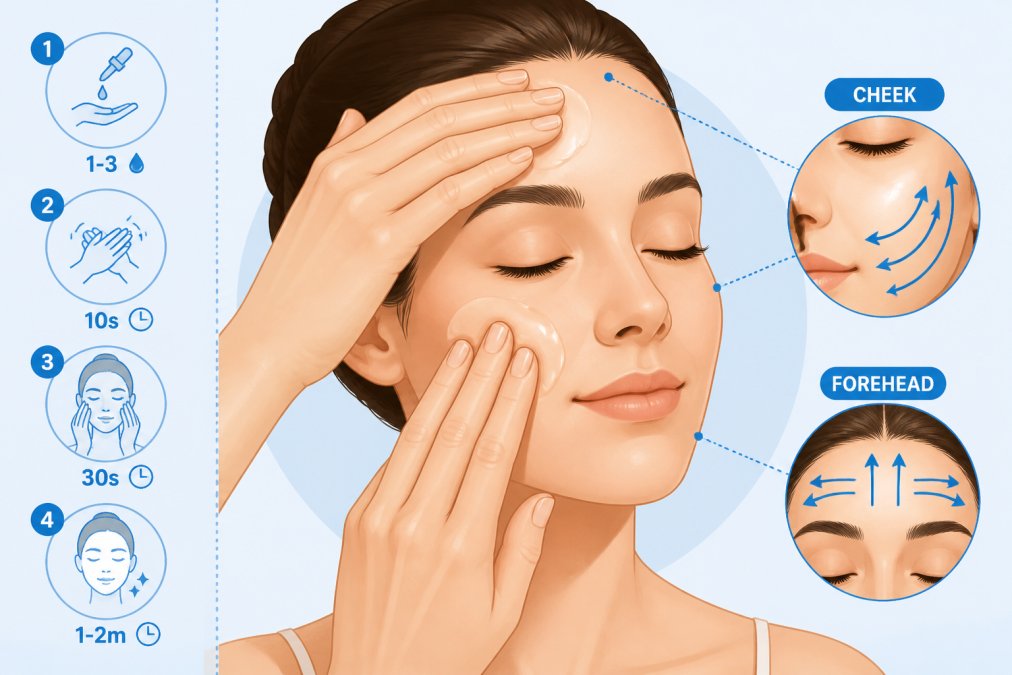
Step 1: Cleanse Your Skin Use a gentle cleanser to remove makeup, sunscreen, and impurities. Pat your skin dry with a soft towel, leaving it slightly damp to help the oil absorb more effectively.
Step 2: Apply to Damp Skin Dispense 2-4 drops of pure kukui nut oil into your palm. Use 2 drops for oily or combination skin, 3-4 drops for normal skin, and 4-5 drops for dry or sensitive skin.
Step 3: Warm the Oil Rub your palms together gently to warm the oil, increasing its fluidity and helping it spread evenly without tugging at delicate facial skin.
Step 4: Apply with Upward Strokes Using your fingertips or palms, apply the oil with gentle upward and outward strokes. Start at the center of your face and work toward your temples and jawline. Avoid the eye area unless using an oil specifically formulated for delicate under-eye skin.
Step 5: Allow Absorption Wait 10-15 minutes for full absorption before applying other products or makeup.
Frequency and Timing Apply kukui nut oil twice daily for best results: once in the morning after cleansing and once in the evening before bed.
| Application Phase | Timing | Frequency | Expected Result |
|---|---|---|---|
| Morning | After cleansing, before makeup | Once daily | Hydrated, protected skin throughout the day |
| Evening | After cleansing, before bed | Once daily | Enhanced overnight repair and regeneration |
| Post-treatment (radiation, etc.) | Immediately after cleansing | Twice daily | Accelerated barrier repair and sensitivity reduction |
Tips for Best Results Consistency matters more than product quantity. Using 2-3 drops twice daily delivers better results than using large amounts sporadically. If you have very oily skin, reduce frequency to once daily or use 1-2 drops in the morning and the full amount only at night. When using kukui nut oil alongside other actives like retinoids or vitamin C, apply the oil as your final step to lock in benefits and provide a protective barrier that minimizes irritation.
Kukui Nut Oil for Sunburn Relief and Post-Treatment Skin Care
Sunburn is a thermal and inflammatory injury to the skin. While immediate pain comes from nerve activation, lasting damage results from free radical generation and inflammation that continues after the initial burn. Kukui nut oil addresses both aspects of sunburn recovery.
The antioxidants in kukui nut oil, particularly vitamin E, neutralize free radicals generated by UV exposure and the body's inflammatory response. This reduces peeling severity, redness, and the risk of hyperpigmentation following severe sunburns. For sunburn recovery, apply kukui nut oil to affected areas 2-3 times daily after the acute heat has subsided (usually 4-6 hours after exposure).
Kukui nut oil is particularly valuable for post-treatment skincare following medical procedures like laser resurfacing, chemical peels, or radiation therapy. For people undergoing radiation therapy, applying kukui nut oil to the treatment area starting immediately after the first session can significantly reduce radiation dermatitis severity, the painful, blistering skin condition that develops in many radiation patients. The oil's combination of antioxidants, anti-inflammatory compounds, and barrier-supporting fatty acids makes it one of the most effective natural options for managing radiation-induced skin damage.
Railroad Remedies (RXR) formulates advanced topical treatments that combine kukui nut oil with CBD and CBC to provide superior anti-inflammatory and pain-relieving benefits for radiation patients and others managing chronic skin conditions.
If you've tried standard moisturizers and creams without lasting relief from dryness, sensitivity, or the lingering effects of medical treatments, kukui nut oil offers a botanical solution grounded in both traditional use and modern skincare science. Railroad Remedies (RXR) combines pure kukui nut oil with organic coconut oil, shea butter, and our proprietary 2000mg CBD/CBC blend to deliver deep hydration, potent anti-inflammatory action, and genuine pain relief in a single, non-greasy application. Start with our premium formulation and experience the difference that quality ingredients and proven efficacy can make for your skin health.
Frequently Asked Questions
What is kukui nut oil good for on your skin?
Kukui nut oil offers multiple skin benefits, including deep hydration through its fatty acids (linoleic and alpha-linolenic acid), anti-inflammatory relief for irritated or sensitive skin, and antioxidant protection from vitamins A, C, and E. It supports the skin barrier, reduces redness and itchiness, and absorbs quickly without leaving a greasy residue. Many people use it for dry skin, eczema, psoriasis, and general aging skin care.
Can I use pure kukui nut oil on sensitive skin without irritation?
Pure kukui nut oil is generally well-tolerated by sensitive skin due to its emollient and non-comedogenic properties. However, always patch-test first on a small area, especially if you have a history of nut allergies or severe dermatitis. If you have radiation therapy-related skin sensitivity or active inflammation, start with a small amount and apply to clean, damp skin. Discontinue use if redness, itching, or burning occurs.
How does kukui nut oil compare to coconut oil and jojoba oil for skin?
Kukui nut oil contains higher levels of linoleic acid and omega-3 fatty acids than coconut oil, making it lighter and less likely to clog pores. Unlike coconut oil, which can be comedogenic for some, kukui nut oil absorbs more quickly. Compared to jojoba oil, kukui nut oil offers stronger anti-inflammatory properties and better support for skin barrier repair, though jojoba is slightly lighter. Kukui nut oil is also non-greasy, making it ideal for those seeking hydration without residue.
Is kukui nut oil safe for sunburned or post-radiation therapy skin?
Yes, kukui nut oil can soothe sunburned skin thanks to its anti-inflammatory fatty acids and antioxidant vitamins. For post-radiation therapy skin, its hydrating and barrier-repair properties make it beneficial, but always consult your dermatologist first, especially if your skin is severely compromised. Apply gently to clean skin and avoid sun exposure after application. The oil's non-greasy formula makes it comfortable for sensitive, healing skin.
This article was written using GrandRanker
