

Is CBD Cream Safe for Elderly Neuropathy Patients?
Table of Contents
- Safety Profile of CBD Cream in Geriatric Populations
- CBD and Medication Interactions in Seniors
- Topical CBD vs. Oral CBD for Nerve Pain
- Clinical Evidence for CBD in Neuropathic Pain Management
- Side Effects and Adverse Reactions in Older Adults
- How to Choose a High-Quality CBD Lotion
- Conclusion: Making an Informed Decision
Last Updated: August 27, 2026
Safety Profile of CBD Cream in Geriatric Populations
Is CBD cream safe for elderly neuropathy patients? This question sits at the intersection of growing consumer interest and legitimate medical caution. At Railroad Remedies (RXR), we understand that older adults managing neuropathic pain need reliable, evidence-based information before trying any new topical treatment.
Topical CBD applications avoid the systemic absorption concerns associated with oral CBD, presenting a lower risk profile for seniors taking multiple medications. The skin acts as a barrier, limiting how much cannabidiol enters the bloodstream compared to ingested forms.
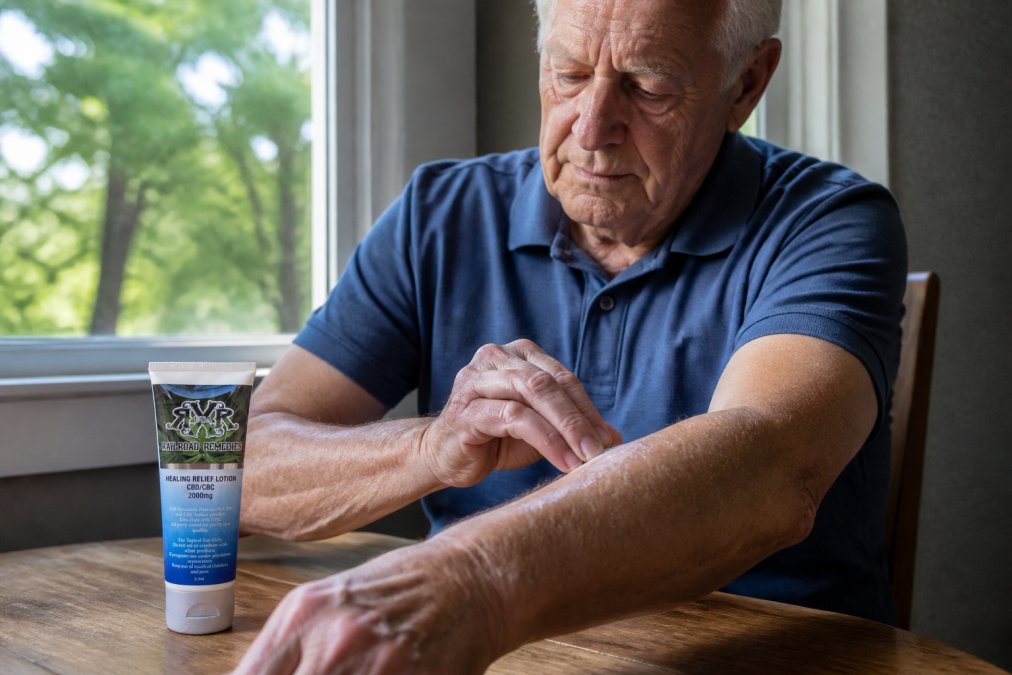
CBD cream applied to the skin does not produce psychoactive effects. The cannabidiol works locally at the application site, targeting inflammation and nerve pain without crossing the blood-brain barrier in significant amounts. For seniors with chronic neuropathic pain who've exhausted NSAID options due to stomach sensitivity, topical CBD cream represents a genuinely lower-risk alternative worth considering under medical supervision.
The biggest safety concern isn't the CBD itself, but product quality and labeling accuracy. Many CBD products contain inconsistent cannabinoid concentrations, unlisted additives, or contamination, especially problematic for elderly patients with sensitive skin or compromised immune function. Choosing a product with third-party testing and transparent labeling directly impacts safety outcomes.
CBD and Medication Interactions in Seniors
The concern about CBD and medication interactions centers on cytochrome P450 inhibition, an enzyme system in the liver that metabolizes many prescribed medications. When CBD inhibits these enzymes, it can alter how quickly the body processes drugs, potentially increasing drug concentration and side effects.
However, this risk is significantly lower with topical CBD cream than with oral CBD. When applied to the skin, most cannabidiol remains localized rather than entering systemic circulation. The amount that absorbs through the skin is substantially less than what enters the bloodstream from oral ingestion, translating directly into reduced interaction risk.
Seniors taking blood thinners, anti-seizure drugs, immunosuppressants, and certain heart medications should monitor most carefully. With topical CBD cream, the risk diminishes considerably, though it doesn't disappear entirely.
Polypharmacy, where seniors take five or more medications daily, makes this conversation more important. Multiple medications increase cumulative load on the liver's enzyme systems. However, topical application minimizes systemic exposure to CBD, offering a significant safety advantage. Many elderly patients already use topical pain relief products without incident; CBD cream fits into this established category with added anti-inflammatory benefits.
Topical CBD vs. Oral CBD for Nerve Pain
Understanding the difference between topical CBD and oral CBD for nerve pain is essential because the route of administration fundamentally changes how the drug works in the body.
Topical CBD cream penetrates the skin and works primarily at the application site, interacting with cannabinoid receptors in local nerve endings and inflammatory tissue without requiring systemic absorption. This localized action means faster onset, many users report relief within 15-30 minutes, and a safety profile favoring seniors because systemic exposure remains minimal.
Oral CBD enters the digestive system and must cross the blood-brain barrier to reach peripheral nerves. This systemic circulation means higher bioavailability but greater potential for drug interactions, cognitive effects, and side effects like dizziness or sedation. For elderly patients already managing multiple medications and potential balance issues, this systemic approach carries more risk.
For neuropathic pain specifically, the choice depends on pain location and severity. Topical CBD excels when pain is localized to hands, feet, or other accessible areas. Diabetic neuropathy affecting the feet? Topical cream applied directly is ideal. Widespread neuropathic pain affecting multiple regions? Oral CBD might offer broader coverage, though interaction risk increases accordingly.
Many elderly patients benefit from combining approaches: topical cream for localized pain flares and targeted relief, with oral CBD reserved for broader pain management only if a physician approves and monitors the interaction profile.
Clinical Evidence for CBD in Neuropathic Pain Management
The clinical research landscape for CBD in neuropathic pain management shows genuine promise alongside significant gaps. Most published studies examine CBD's effects on pain and inflammation in laboratory settings or animal models rather than in elderly human populations. This research gap exists partly because geriatric clinical trials are expensive and complex.
Clinical evidence suggests that CBD reduces inflammatory markers and modulates pain signaling through multiple mechanisms. Studies examining cannabinoid receptors show that CBD influences both CB1 and CB2 receptor activity. For neuropathic pain specifically, some evidence indicates that CBD's anti-inflammatory and analgesic properties may help manage peripheral neuropathy symptoms through reduced inflammation around nerve endings and modulated pain perception.
However, most of this evidence comes from preclinical research or small human studies rather than large randomized controlled trials in elderly populations. This evidence gap doesn't mean CBD is ineffective; it means we lack the strong clinical data that would normally justify pharmaceutical approval. The practical implication is that elderly patients considering CBD cream are making an informed choice based on emerging evidence and mechanism of action rather than definitive clinical proof, which is why medical supervision matters.
Side Effects and Adverse Reactions in Older Adults
Side effects from topical CBD cream in older adults are generally mild and localized. The most commonly reported adverse effects include skin irritation, redness, or mild itching at the application site, typically reflecting sensitivity to CBD itself or other ingredients like carrier oils or preservatives.
For elderly patients with compromised skin barriers from conditions like eczema, psoriasis, or radiation therapy effects, localized irritation becomes more significant. Patch testing on a small area before full application makes sense. If a senior has had radiation therapy affecting the skin, discussing lotion ingredients with their oncologist before use is prudent.
Systemic side effects from topical CBD are rare because absorption through intact skin is limited. However, if a senior has open wounds, severe skin damage, or applies excessive amounts to large body areas, systemic absorption increases. Potential systemic effects include dizziness, sedation, dry mouth, or appetite changes, all dose-dependent and reversible.
Older adults should be aware that CBD can potentiate the effects of sedating medications. If a senior takes a benzodiazepine or opioid for pain, adding CBD warrants physician review, as the combination might increase drowsiness or dizziness.
How to Choose a High-Quality CBD Lotion
Choosing a high-quality CBD lotion requires understanding what separates effective products from those that underdeliver or contain questionable ingredients. For elderly patients seeking relief from neuropathic pain, product quality directly impacts both safety and efficacy.
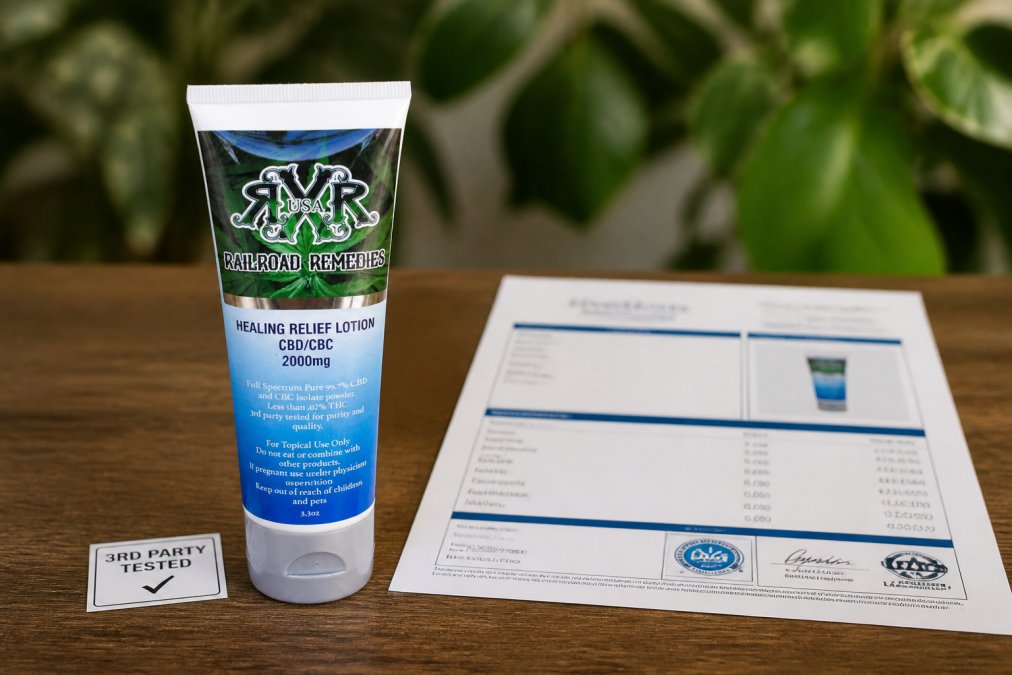
The first step is verifying third-party testing. Reputable CBD manufacturers send their products to independent laboratories and publish results publicly. This certificate of analysis should confirm the actual CBD concentration matches the label claim, verify the absence of heavy metals and microbial contaminants, and confirm that THC levels are below the legal threshold (typically 0.3% or less). If a product has no published testing results, that's a red flag.
Next, examine the ingredient list carefully. Quality CBD lotions use carrier oils that provide their own benefits: coconut oil offers antimicrobial and skin-soothing properties, shea butter provides deep hydration, and kukui nut oil delivers nourishment without greasiness. Avoid products with long lists of synthetic fragrances, parabens, or other additives that might irritate sensitive skin.
The CBD concentration matters, but more isn't always better. For elderly patients new to CBD, starting with moderate concentration allows assessment of individual response. Railroad Remedies (RXR) offers both a 500mg CBD Relief Lotion and a 2000mg CBD/CBC blend, allowing patients to choose based on pain severity and individual tolerance.


For seniors specifically, the non-greasy absorption profile becomes important. A lotion that leaves skin slick or oily increases fall risk. Premium formulations absorb quickly without leaving residue, allowing seniors to apply the product and move safely.
The addition of cannabichromene (CBC) in some formulations offers enhanced anti-inflammatory and analgesic properties beyond CBD alone. For elderly patients with severe neuropathic pain, a CBD/CBC blend may provide superior relief compared to CBD-only products.
Finally, verify that the manufacturer operates with transparency about sourcing and production methods. Organic ingredients reduce exposure to pesticides and contaminants. A company willing to discuss its supply chain, production standards, and quality control processes demonstrates the integrity that elderly patients should expect.
Conclusion: Making an Informed Decision
Is CBD cream safe for elderly neuropathy patients? The evidence supports a qualified yes, particularly when patients choose high-quality products, apply them topically to localized pain areas, and maintain open communication with their healthcare providers.
The safety advantage of topical CBD cream over oral forms, combined with the localized action that targets nerve pain directly, makes this approach worth considering for seniors who've exhausted conventional options. The lack of intoxicating effects, minimal systemic absorption, and lower drug interaction risk create a risk-benefit profile that favors use under appropriate conditions.
For elderly patients seeking effective relief from neuropathic pain without the gastrointestinal side effects of NSAIDs or the systemic risks of oral CBD, Railroad Remedies (RXR) provides premium topical solutions formulated specifically for sensitive skin and rapid absorption. Our 500mg CBD Relief Lotion and 2000mg CBD/CBC blend combine organic coconut oil, shea butter, and kukui nut oil to deliver both pain relief and deep skin nourishment. Start with our CBD Relief Lotion 500mg to assess your individual response, then explore our CBD/CBC 2000mg Pain Relief Lotion if you need advanced relief. Choose quality, choose transparency, choose Railroad Remedies (RXR).
Frequently Asked Questions
Q: Is CBD cream safe for elderly neuropathy patients with multiple medications?
A: CBD cream applied topically is generally considered safe for seniors because it minimizes systemic absorption compared to oral forms. However, seniors taking medications metabolized by cytochrome P450 enzymes, such as blood thinners, statins, or certain pain relievers, should consult their physician before use. Topical application reduces the risk of drug-drug interactions, but individual health conditions and medication profiles vary. Always inform your healthcare provider about any CBD use.
Q: How does topical CBD differ from oral CBD for nerve pain?
A: Topical CBD creams deliver cannabinoids directly to the affected area with minimal systemic absorption, making them ideal for localized neuropathic pain in hands and feet. Oral CBD enters the bloodstream and distributes throughout the body, potentially offering broader relief but with higher interaction risks and slower onset. For elderly patients concerned about medication interactions, topical application presents a lower-risk option. Absorption rates and bioavailability differ significantly between the two delivery methods.
Q: What should I look for when choosing a high-quality CBD lotion?
A: Look for third-party testing certificates of analysis (CoA) that verify CBD content and screen for contaminants like heavy metals and pesticides. Check ingredient lists for organic components, coconut oil, shea butter, and other natural moisturizers, and avoid products with synthetic additives. Reputable brands clearly label CBD concentration (measured in milligrams) and provide transparent sourcing information. For seniors with sensitive skin from conditions like radiation therapy, prioritize hypoallergenic formulations that won't cause irritation.
Q: Can CBD cream actually reach nerve pain, or is it only for surface-level soreness?
A: Topical CBD penetrates skin layers and may reach nerve endings near the application site, making it effective for peripheral neuropathic pain in hands and feet. Research suggests cannabinoids interact with cannabinoid receptors in nerve tissue and reduce inflammation that contributes to neuropathic pain. However, topical creams work best for pain localized to accessible areas; deep internal nerve pain may require oral or other delivery methods. Clinical evidence in geriatric populations remains limited, so results vary individually.
This article was written using GrandRanker
