

How to Soothe Dry Irritated Skin: A Step-by-Step Guide
Table of Contents
- Understanding Dry Irritated Skin and Its Causes
- Gentle Cleansing Techniques to Protect Your Skin Barrier
- Best Ingredients for Dry Skin Relief
- Moisturizing Frequency and Application Methods
- How Long Does It Take to Heal Dry Skin
- Dermatologist Recommended Dry Skin Routine
- Managing Environmental Triggers and Lifestyle Factors
- When to See a Doctor for Persistent Dryness
Last Updated: August 12, 2026
Understanding Dry Irritated Skin and Its Causes
Dry irritated skin occurs when the skin barrier loses its ability to retain moisture, leading to inflammation, discomfort, and visible dryness. At Railroad Remedies (RXR), we understand that this condition involves compromised ceramides, reduced hyaluronic acid levels, and increased transepidermal water loss that leaves skin vulnerable to environmental irritants.
The skin barrier, or stratum corneum, acts as your body's first line of defense. When this protective layer weakens, moisture escapes and irritants penetrate more easily, creating a cycle where dryness triggers inflammation, which further damages the barrier.
Common causes include harsh cleansing products, hot water exposure, low humidity environments, and sensitivity to fragrance or synthetic ingredients. Individuals undergoing radiation therapy, athletes, and aging pets experience similar vulnerability to irritation and moisture loss. Understanding your specific triggers is essential before selecting a treatment approach.
Gentle Cleansing Techniques to Protect Your Skin Barrier
The foundation of soothing dry irritated skin starts with how you cleanse. Most people damage their barrier further by using hot water and harsh cleansers that strip away natural oils and ceramides.
Use lukewarm water, not hot, when cleansing. Hot water increases transepidermal water loss and triggers inflammation. Choose fragrance-free, pH-balanced cleansers specifically formulated for sensitive skin with gentle surfactants and humectants like glycerin. Avoid products with alcohol, sulfates, or artificial fragrances. Pat your skin dry gently with a soft towel instead of rubbing, which irritates already-sensitive skin.
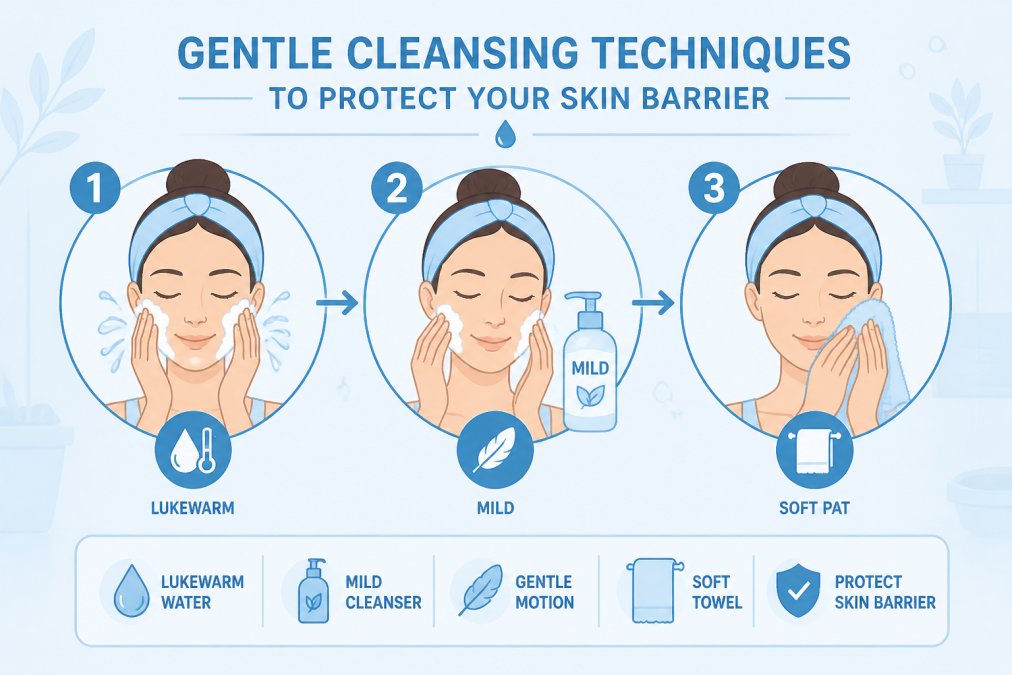
Apply moisturizer immediately after cleansing while skin is still slightly damp. This timing is critical because damp skin absorbs hydrating products more effectively than completely dry skin.
For individuals with chronic dryness or sensitivity from radiation therapy, consider cleansing only once daily in the evening. Morning cleansing can be as simple as rinsing with lukewarm water alone.
Best Ingredients for Dry Skin Relief
Selecting the right ingredients makes the difference between temporary relief and actual barrier repair. The most effective ingredients fall into three categories: humectants, emollients, and occlusives.
Humectants draw moisture from the air into your skin. Hyaluronic acid can hold up to 1,000 times its weight in water, making it exceptionally effective for hydration. Glycerin works similarly, pulling moisture into the epidermis. These ingredients work best in humid environments but can draw moisture from skin in very dry climates, so layering is essential.
Emollients soften and smooth the skin while filling gaps in the damaged barrier. Shea butter, coconut oil, and kukui nut oil are natural emollients that provide nourishment without a greasy feel. Railroad Remedies (RXR) uses organic coconut oil and shea butter in their formulations because these emollients absorb quickly and don't leave heavy residue.
Occlusives seal moisture into the skin by creating a protective layer. Petrolatum is the most effective occlusive available, though many prefer natural alternatives like beeswax or plant-based waxes. Occlusives are especially important at night.
Ceramides are lipids that form the structural foundation of your skin barrier. When your barrier is compromised, ceramide levels drop significantly. Topical ceramides help restore this crucial component, improving moisture retention and reducing inflammation.
For those seeking topical relief, products incorporating CBD or CBC offer additional anti-inflammatory support. The 2000mg CBD/CBC blend from Railroad Remedies combines cannabinoids with barrier-supporting ingredients, addressing both hydration and inflammation simultaneously.

Avoid ingredients that commonly irritate sensitive skin: synthetic fragrances, essential oils, alcohol, sulfates, and parabens.
Moisturizing Frequency and Application Methods
Most people with dry irritated skin need to moisturize at least twice daily, morning and evening, with an additional application during the day if skin feels tight or uncomfortable.
The three-layer moisturizing method works best for severely dry skin:
- Apply humectant first (hyaluronic acid serum or glycerin-based product) to damp skin immediately after cleansing.
- Layer emollient next (shea butter lotion or coconut oil-based cream) while skin is still slightly damp.
- Use occlusive as final layer (especially at night) to prevent moisture loss overnight.
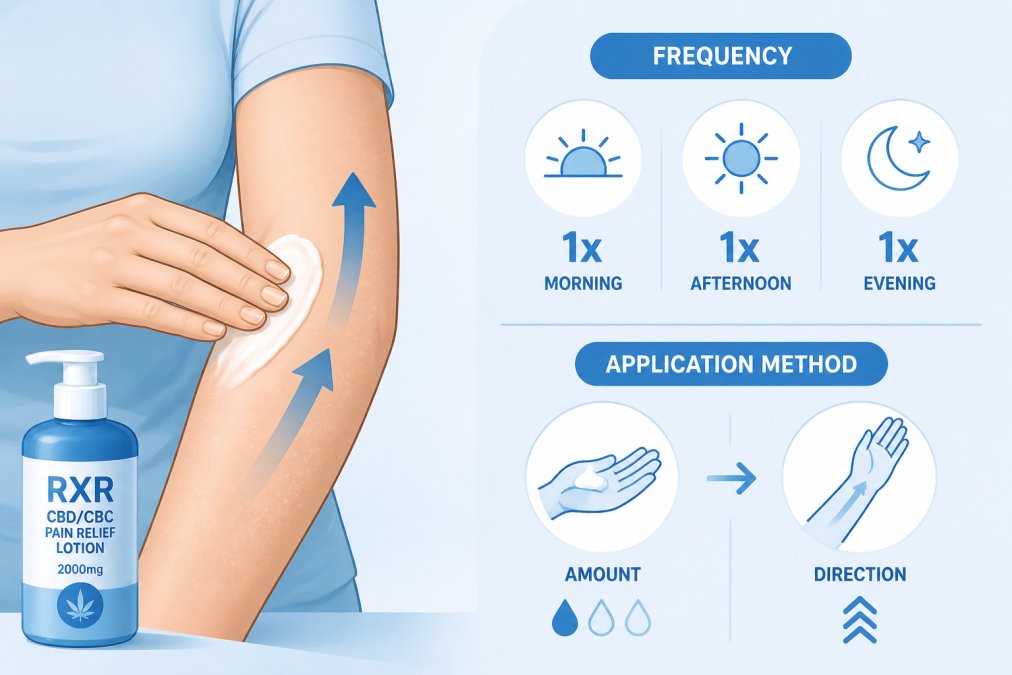
Use upward, gentle strokes rather than downward motions. Apply products to still-damp skin when possible to increase absorption. For body moisturizing, apply within three minutes of bathing while skin retains moisture.
Consistency is more important than product strength. Using a basic moisturizer twice daily is more effective than using an expensive product sporadically. For athletes and active individuals, reapply moisturizer after sweating or water exposure. Those managing inflammation with topical products like Railroad Remedies' CBD Relief Lotion should apply after cleansing as part of their regular moisturizing routine.
How Long Does It Take to Heal Dry Skin
Healing dry irritated skin is a gradual process that requires patience and consistency. Most people see initial improvement within two to four weeks of following a dedicated routine, but complete barrier repair typically takes eight to twelve weeks.
The timeline depends on severity of dryness, consistency with your routine, environmental conditions, and whether underlying medical conditions are contributing.
Week one to two: You'll notice reduced tightness and improved skin texture as dryness begins to decrease.
Week three to four: Visible improvement appears, skin looks plumper, fine lines from dehydration become less obvious, and irritation begins to subside.
Week five to eight: The skin barrier continues strengthening, inflammation decreases noticeably, and your skin becomes more resilient to environmental triggers.
Week nine to twelve: Full barrier repair becomes evident. Skin maintains hydration more effectively, and irritation is minimal.
Consistency matters more than product strength. Someone using a basic drugstore moisturizer twice daily will see better results than someone using an expensive product sporadically. For individuals with chronic conditions requiring ongoing relief, products like Railroad Remedies' CBD/CBC 2000mg Pain Relief Lotion can be incorporated into your long-term routine.

Dermatologist Recommended Dry Skin Routine
A dermatologist-backed routine for soothing dry irritated skin follows a structured approach that addresses cleansing, hydration, barrier repair, and protection.
Morning Routine:
- Rinse face with lukewarm water only
- Apply hyaluronic acid serum to damp skin
- Layer with fragrance-free moisturizer containing ceramides and emollients
- Apply broad-spectrum SPF 30+ sunscreen
Evening Routine:
- Cleanse gently with fragrance-free, pH-balanced cleanser for 30-60 seconds
- Pat skin dry gently
- Apply hyaluronic acid serum to damp skin
- Layer with richer moisturizer or emollient-based cream
- Apply occlusive layer if skin is severely dry
Weekly Addition:
- One gentle exfoliation using a soft washcloth or non-abrasive exfoliant
- Hydrating face mask to boost moisture levels
This routine prioritizes barrier repair above all else. For those managing chronic pain alongside dry skin irritation, topical CBD products can be a complementary treatment. Railroad Remedies (RXR) formulations are designed to fit into this type of routine, with the 500mg CBD Relief Lotion for daily moisturizing and the 2000mg CBD/CBC blend for enhanced anti-inflammatory support.
The routine should remain consistent even after improvement occurs, adjusting frequency based on seasonal changes and environmental conditions.
Managing Environmental Triggers and Lifestyle Factors
Environmental conditions significantly impact how quickly your skin heals and how severe your dryness becomes.
Humidity levels directly affect transepidermal water loss. Winter heating systems and air conditioning create low-humidity environments that worsen dryness. Use a humidifier to maintain indoor humidity between 40-60%.
Temperature extremes trigger inflammation and barrier disruption. Protect skin by wearing appropriate clothing and avoiding prolonged exposure to temperature extremes.
Water quality matters more than most people realize. Hard water contains minerals that can irritate sensitive skin. Consider installing a water softener or using a shower filter designed to reduce mineral content.
Dietary factors support skin barrier health from within. Adequate hydration, omega-3 fatty acids from fish and flaxseed, and antioxidant-rich foods like berries reduce inflammation that contributes to skin irritation.
Stress management has measurable effects on skin barrier function. Chronic stress increases cortisol levels, which impairs barrier repair and increases inflammation. Regular exercise and meditation improve skin healing outcomes.
Sleep quality directly influences barrier repair. Your skin undergoes most regeneration during sleep. Aim for seven to nine hours of consistent sleep and use heavier occlusive moisturizer at night to maximize repair.
Clothing choices affect irritation levels. Rough fabrics like wool irritate sensitive skin; choose soft cotton or silk. Use fragrance-free, hypoallergenic detergent and rinse clothes thoroughly.
For individuals with chronic conditions like arthritis or nerve pain, stress reduction is doubly important since pain itself triggers stress responses that impair healing. Incorporating topical relief products like Railroad Remedies' formulations can reduce pain-related stress, which indirectly supports skin barrier recovery.
When to See a Doctor for Persistent Dryness
While most dry irritated skin responds to consistent home care, certain situations require professional dermatological evaluation.
See a dermatologist if:
- Your dryness persists beyond 12 weeks of consistent, proper treatment
- Irritation worsens despite following recommended routines
- You develop signs of infection (increased redness, warmth, pus, or oozing)
- Dryness is accompanied by severe itching that disrupts sleep or daily activities
- You experience unusual symptoms like scaling, cracking, or bleeding
- Your skin shows signs of dermatitis (raised, inflamed patches that spread)
- You've recently started a new medication and dryness began coinciding with that change
- You have a history of eczema, psoriasis, or other chronic skin conditions
Conditions that mimic dry skin but require different treatment:
Contact dermatitis causes irritation from specific allergens or irritants and requires identifying and avoiding the trigger. A dermatologist can perform patch testing to identify specific allergens.
Atopic dermatitis (eczema) involves genetic factors affecting barrier function and typically requires prescription-strength treatments alongside moisturizing.
Seborrheic dermatitis causes flaking and irritation, particularly on the scalp and face, and needs antifungal treatment.
Rosacea causes persistent redness and irritation and requires specific trigger avoidance and sometimes prescription treatments.
For individuals with radiation therapy history, dermatological evaluation is particularly important as radiation-induced skin changes can persist long-term and may require specialized treatment.
When to seek immediate care:
Contact a healthcare provider immediately if you develop signs of severe infection, experience sudden widespread irritation, or have difficulty breathing. A dermatologist can also assess whether your dry skin would benefit from prescription-strength treatments and recommend how to integrate topical pain relief products like Railroad Remedies' CBD formulations with prescription treatments if needed.
Persistent dry irritated skin impacts your quality of life, from physical discomfort to frustration with ineffective treatments. The right approach combines consistent barrier-repair practices with products specifically formulated to address both hydration and inflammation. Railroad Remedies (RXR) offers targeted solutions like their CBD Relief Lotion and advanced CBD/CBC 2000mg Pain Relief Lotion, which combine organic coconut oil, shea butter, and kukui nut oil with anti-inflammatory cannabinoids to soothe dryness while addressing underlying irritation. Start with a consistent routine, give it at least eight weeks, and adjust based on your skin's response. Most people find that commitment to proper cleansing, layered moisturizing, and environmental management delivers visible improvement within weeks.
Frequently Asked Questions
What causes dry irritated skin?
Dry irritated skin results from a compromised skin barrier that loses moisture faster than it can be replenished. Common causes include harsh cleansers, hot water exposure, low humidity, aging, medical treatments like radiation therapy, and environmental factors. When the stratum corneum (outer skin layer) lacks adequate ceramides and natural oils, transepidermal water loss increases, leading to inflammation and irritation. Identifying your specific trigger, whether environmental, lifestyle, or product-related, is the first step to soothing dry skin effectively.
How long does it take to heal dry skin?
Healing timelines vary based on severity and consistency of care. Mild dryness often improves within 1-2 weeks with proper moisturizing and gentle cleansing. Moderate to severe cases may require 3-6 weeks of dedicated treatment. The skin's natural renewal cycle is approximately 28 days, so noticeable improvement typically appears after 2-3 complete cycles of consistent care. For chronic conditions or those recovering from medical treatments, patience and persistent routine adherence yield the best results. Using products with proven hydrating ingredients like hyaluronic acid, glycerin, and ceramides accelerates recovery.
What ingredients should I avoid if I have dry irritated skin?
Avoid harsh sulfates, alcohol-based products, synthetic fragrances, and strong exfoliants that strip the skin barrier. Steer clear of hot water and products containing high concentrations of acids without proper hydration support. Avoid over-the-counter products with drying ingredients like benzoyl peroxide unless directed by a dermatologist. Skip products claiming to be 'mattifying' or 'oil-control' formulas, as these actively remove moisture. Instead, choose fragrance-free, hypoallergenic formulations. If you're sensitive from medical treatments like radiation therapy, avoid any product not explicitly labeled as dermatologist-tested or recommended for sensitive skin.
Is a topical lotion effective for nerve pain and deep inflammation?
Topical lotions work effectively for surface-level pain and inflammation but have limited penetration for deep nerve pain. However, modern formulations with CBD and anti-inflammatory ingredients like shea butter and coconut oil can reach deeper tissue layers than traditional creams. For chronic nerve pain conditions, topicals work best as part of a comprehensive approach, combining them with oral treatments, physical therapy, and lifestyle adjustments yields better results. Products with full-spectrum CBD and added cannabinoids provide enhanced anti-inflammatory support. If you've relied on NSAIDs for years due to stomach sensitivity, a non-greasy, easily absorbed lotion offers a gentler alternative worth exploring under medical guidance.
This article was written using GrandRanker
