

How to Reduce Joint Swelling Naturally: 7 Steps
Table of Contents
- Step 1: Adopt an Anti-Inflammatory Diet for Arthritis
- Step 2: Increase Omega-3 Fatty Acids and Hydration
- Step 3: Apply Heat and Cold Therapy Techniques
- Step 4: Use Natural Alternatives to NSAIDs for Pain
- Step 5: Try Topical CBD for Joint Discomfort
- Step 6: Incorporate Low-Impact Exercise and Physical Therapy
- Step 7: Improve Sleep Hygiene and Manage Weight
- How to Reduce Joint Swelling Naturally: Your Action Plan
Last Updated: August 28, 2026
Step 1: Adopt an Anti-Inflammatory Diet for Arthritis
Your diet directly influences inflammatory responses in your body. Shifting toward anti-inflammatory foods can meaningfully decrease joint tenderness and swelling over time.
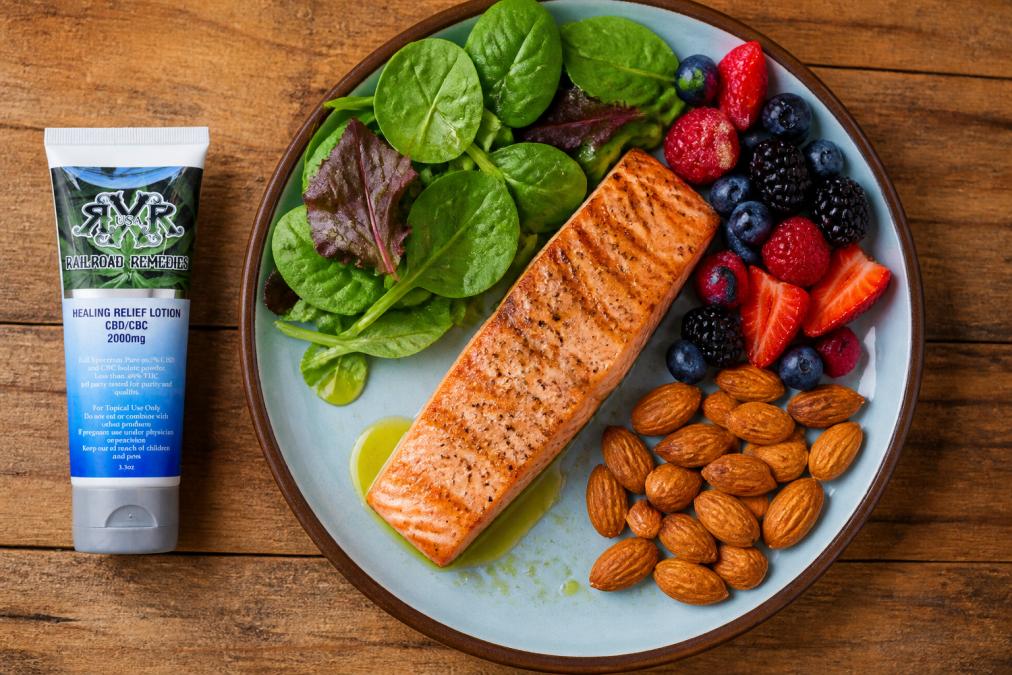
Foods to prioritize
Omega-3 rich foods are your first priority. Fatty fish like salmon, mackerel, and sardines contain omega-3 fatty acids that actively reduce inflammatory markers in your bloodstream. Aim to include these proteins 2-3 times per week. If you're not a fish eater, consider walnuts, flaxseeds, and chia seeds as plant-based alternatives.
Colorful vegetables and berries combat oxidative stress, a key driver of joint inflammation. Dark leafy greens like spinach and kale, cruciferous vegetables like broccoli and Brussels sprouts, and berries like blueberries and raspberries should feature regularly in your meals.
Extra-virgin olive oil contains oleocanthal, a compound that works similarly to NSAIDs. Use it as a dressing rather than cooking oil to preserve its anti-inflammatory compounds. Nuts, especially almonds and walnuts, provide both omega-3s and vitamin E.
Turmeric and ginger belong in your kitchen cabinet. Turmeric contains curcumin, which has anti-inflammatory effects. Fresh ginger works similarly. Add these to soups, teas, or roasted vegetables. Daily use produces better results than occasional use.
Foods to avoid
Processed foods and refined carbohydrates trigger inflammatory responses. Packaged snacks, sugary drinks, and white bread cause blood sugar spikes that increase inflammation throughout your body.
Saturated fats and trans fats accelerate inflammation. Limit red meat, full-fat dairy, and fried foods. Many people find that reducing these foods produces noticeable improvements in joint swelling within 3-4 weeks.
Excess sugar is particularly problematic. It promotes inflammatory responses and contributes to weight gain, which increases stress on joints. This includes obvious sources like desserts and soda, but also hidden sugars in seemingly healthy foods.
Step 2: Increase Omega-3 Fatty Acids and Hydration
Omega-3 fatty acids reduce joint swelling naturally by decreasing inflammatory markers your body produces. The most straightforward approach is adding fish to your weekly rotation. Salmon, mackerel, herring, and sardines contain EPA and DHA, the most bioavailable forms of omega-3s. A 3-4 ounce serving provides meaningful amounts. If fish isn't appealing, fish oil supplements work, though whole food sources are generally more effective.
Plant-based omega-3s from flaxseeds, chia seeds, and walnuts are valuable, but your body converts them less efficiently. If you're vegetarian or vegan, you'll need larger quantities or consider algae-based supplements.
Hydration is equally critical but often overlooked. Synovial fluid, the lubricant in your joints, depends on proper hydration to function effectively. When dehydrated, this protective fluid thickens, reducing joint mobility and increasing pain.
A practical target is half your body weight in ounces daily, adjusted for activity level and climate. Someone weighing 160 pounds would aim for 80 ounces daily. Your urine color is a better indicator, pale yellow suggests adequate hydration, while dark yellow indicates you need more fluids. Spread water intake throughout the day rather than drinking large amounts at once.
Step 3: Apply Heat and Cold Therapy Techniques
Heat and cold therapy work through different mechanisms, and alternating between them often produces better results than using either alone.
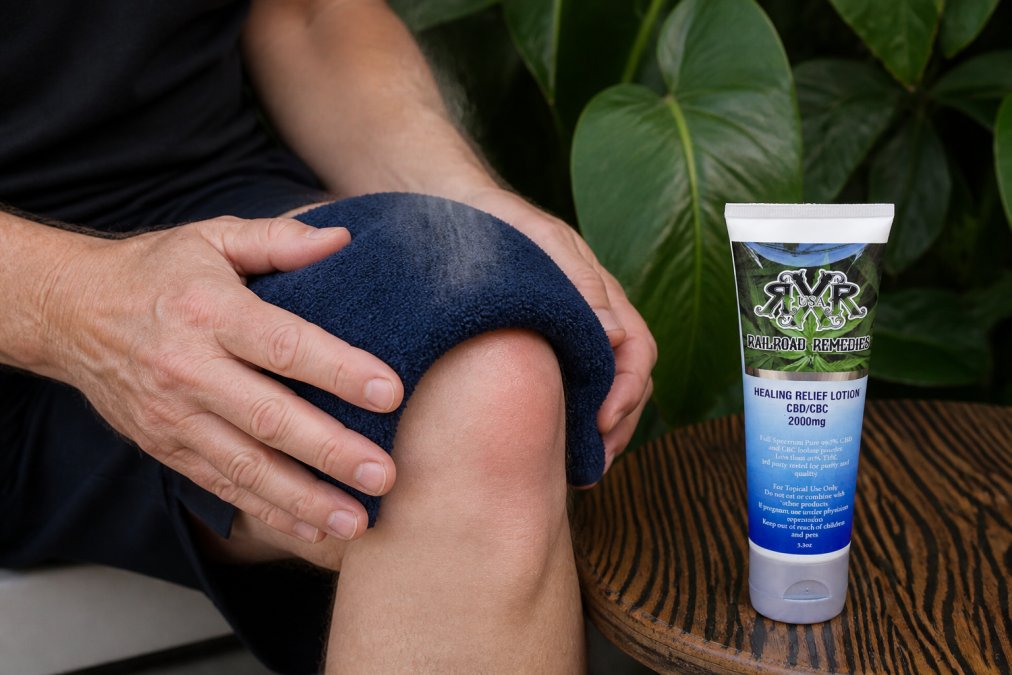
Heat therapy increases blood flow to affected joints, reducing stiffness and promoting relaxation of surrounding muscles. Apply heat for 15-20 minutes using warm compresses, heating pads, warm baths, paraffin wax baths, or Epsom salt soaks. Warm water immersion at around 100-104°F reduces joint swelling and muscle tension simultaneously.
Cold therapy reduces inflammation and numbs pain, making it ideal for acute swelling or after activity that aggravates your joints. Apply cold for 10-15 minutes using ice packs wrapped in cloth, frozen vegetables, or cold gel packs.
The alternating approach works like this: apply heat for 3 minutes, then cold for 1 minute, repeating this cycle 3-4 times. This contrast therapy pumps fresh blood into the joint while reducing inflammatory swelling. Use heat before activity to prepare joints, and use cold after activity to manage inflammation.
Step 4: Use Natural Alternatives to NSAIDs for Pain
Exploring natural alternatives to NSAIDs like ibuprofen or naproxen can reduce joint swelling naturally while protecting your digestive system from long-term medication effects.
Herbs and spices with proven anti-inflammatory effects
Turmeric and curcumin are among the most researched natural anti-inflammatory compounds. Use fresh turmeric in cooking, or take standardized curcumin supplements. Most people find 500-1000mg daily produces noticeable effects within 2-3 weeks.
Ginger contains gingerols and shogaols, compounds that reduce inflammatory markers. Fresh ginger tea, made by simmering fresh ginger slices in water for 5-10 minutes, is both pleasant and effective.
Green tea contains EGCG, a polyphenol with anti-inflammatory properties. Drinking 2-3 cups daily provides meaningful amounts.
Boswellia serrata (frankincense) shows measurable anti-inflammatory effects by reducing leukotriene production. Typical doses range from 300-500mg daily.
Devil's claw is a traditional African remedy that reduces joint pain and swelling through harpagoside, which inhibits inflammatory pathways. Most standardized extracts provide 50-100mg of harpagoside per dose.
Cayenne pepper contains capsaicin, which reduces pain signals and decreases inflammatory cytokines. Using it in cooking or applying capsaicin creams topically both work.
The key with herbal alternatives is consistency. These work gradually, not immediately like NSAIDs. Most people notice meaningful improvements after 2-4 weeks of daily use.
Step 5: Try Topical CBD for Joint Discomfort
Topical CBD has gained significant attention for managing joint pain and inflammation without systemic effects. Unlike oral CBD, which enters your bloodstream, topical CBD works locally at the application site.
CBD interacts with cannabinoid receptors in your skin and underlying tissues, reducing inflammatory responses and modulating pain signals. Because it doesn't enter your bloodstream in meaningful amounts when applied topically, you avoid systemic effects while targeting the exact area causing problems.
Application is straightforward. Clean and dry the affected joint, then massage the CBD lotion into the skin using circular motions for 1-2 minutes. Most people apply topical CBD 2-3 times daily, adjusting frequency based on results. Effects typically develop within 15-30 minutes.
For joint swelling specifically, Railroad Remedies (RXR) offers the CBD/CBC 2000mg Pain Relief Lotion, which combines CBD with CBC (cannabichromene), a cannabinoid known for enhanced anti-inflammatory and analgesic properties. This formula includes organic coconut oil and shea butter, providing hydration alongside pain relief.

For those starting with CBD or managing multiple areas, the CBD Relief Lotion 500mg provides a gentler entry point while still delivering meaningful relief through the same organic ingredient base.

Topical CBD addresses the underlying inflammatory response, potentially providing longer-lasting relief than numbing creams. The organic ingredients in quality formulations also nourish your skin, which matters if you're applying regularly.
Step 6: Incorporate Low-Impact Exercise and Physical Therapy
Strategic exercise reduces joint swelling naturally by improving joint mobility, strengthening supporting muscles, and promoting synovial fluid circulation. The key is low-impact activity that preserves joints while building strength.
Swimming and water aerobics are ideal. Water supports your body weight while providing resistance, allowing you to move joints through their full range of motion without impact stress. Aim for 20-30 minutes, 3-4 times weekly.
Walking is accessible and effective. Start with 10-15 minute walks on flat surfaces, gradually increasing duration as comfort improves. Proper footwear matters, supportive shoes reduce joint stress. Walking 30 minutes daily, 5 days weekly, produces measurable improvements.
Cycling (stationary or outdoor) strengthens leg muscles that support knee and hip joints while minimizing impact.
Yoga and tai chi improve flexibility and range of motion while building functional strength through controlled movements and proper alignment.
Physical therapy deserves specific mention. A physical therapist can design exercises targeting your specific joint problems, ensuring proper form and progression. Even 4-6 sessions often provide enough guidance for self-directed exercise at home.
Start conservatively, too much too soon triggers inflammation. Increase duration or intensity by about 10% weekly. If an activity increases pain that persists hours afterward, you've done too much.
Step 7: Improve Sleep Hygiene and Manage Weight
Sleep quality directly influences joint inflammation. During deep sleep, your body produces cytokines that regulate inflammatory responses. Poor sleep disrupts this process, increasing inflammation and joint swelling.
Maintain consistent sleep and wake times, even on weekends. Your body's inflammatory regulation depends on predictable circadian rhythms. Aim for 7-9 hours nightly.
Create a sleep environment that supports rest. Keep your bedroom cool (around 65-68°F), dark, and quiet. Avoid phones and computers 30-60 minutes before bed, as blue light suppresses melatonin production. Avoid caffeine after 2 PM and alcohol close to bedtime.
Weight management directly reduces joint stress. Every pound of excess weight increases stress on weight-bearing joints by approximately 3-4 pounds of force. A 10-pound weight loss reduces joint stress significantly.
Combining the anti-inflammatory diet from Step 1 with consistent low-impact exercise from Step 6 naturally supports weight management. Track progress through how your joints feel rather than just scale weight. Improved mobility, reduced morning stiffness, and decreased swelling are meaningful metrics.
How to Reduce Joint Swelling Naturally: Your Action Plan
Reducing joint swelling naturally requires a coordinated approach addressing inflammation through multiple mechanisms: dietary changes, movement, targeted therapies, and lifestyle factors.
Start with Step 1 this week by identifying one anti-inflammatory food you enjoy and adding it to your diet. Next week, add Step 2 by ensuring you're drinking adequate water daily. This gradual approach builds sustainable habits.
The most effective strategy combines dietary modifications with topical support and consistent movement. Many people find that after 3-4 weeks of following these steps, joint swelling noticeably decreases and mobility improves.
At Railroad Remedies (RXR), we've formulated our CBD and CBD/CBC lotions specifically for this kind of joint support. Our CBD/CBC 2000mg Pain Relief Lotion works alongside these natural strategies, providing targeted topical relief with organic ingredients that nourish your skin.
Track your progress using a flexible measuring tape around the affected area, or simply note when you can bend joints further or experience less morning stiffness. These measurable improvements motivate continued effort.
The strategies outlined here address the root causes of joint swelling, inflammation, reduced mobility, and inadequate support. Combined consistently, they produce meaningful, lasting improvements in how your joints feel and function.
Chronic joint swelling limits what you can do and how you feel. The natural approaches in this guide address inflammation at multiple levels, but they work best with targeted support at the point of discomfort. Railroad Remedies (RXR)'s CBD Relief Lotion combines full-spectrum CBD with organic coconut oil and shea butter, providing the anti-inflammatory action and skin nourishment your joints need. Get started with Railroad Remedies (RXR) and experience how proper support accelerates your progress.
Frequently Asked Questions
Q: What is the strongest natural anti-inflammatory for joints?
A: Turmeric (curcumin) and ginger are among the most researched natural anti-inflammatories for joint health. Omega-3 fatty acids from fish and flaxseed also rank highly for reducing inflammation. Topical CBD lotions offer localized relief by targeting joint tenderness directly. Combining dietary sources with topical applications typically produces the best results for chronic swelling.
Q: Can lifestyle changes significantly reduce joint swelling?
A: Yes. Weight management, regular low-impact exercise, improved sleep hygiene, and dietary modifications work together to reduce inflammation and joint swelling. Even a 5-10% reduction in body weight decreases stress on joints and lowers inflammatory markers. Adding physical therapy and ergonomic adjustments to daily tasks further improves range of motion and synovial fluid production, supporting long-term joint health.
Q: What are natural alternatives to NSAIDs for pain relief?
A: Natural alternatives include turmeric, ginger, green tea, and topical CBD products. Topical CBD lotions like Railroad Remedies' 2000mg CBD/CBC formula provide localized relief without systemic side effects. Hydrotherapy, paraffin wax baths, and Epsom salt soaks also reduce joint tenderness. These methods address inflammation and pain while avoiding the gastrointestinal issues associated with long-term NSAID use, making them ideal for chronic pain management.
Q: Is topical CBD safe for sensitive skin from radiation therapy?
A: Topical CBD formulations with organic ingredients like coconut oil and shea butter are generally gentle for sensitive skin. Railroad Remedies' lotions are non-greasy and easily absorbed, designed for deep hydration without irritation. However, if you have radiation-damaged skin, start with a small patch test first. The anti-inflammatory and nourishing properties can actually soothe irritated skin, but individual sensitivity varies, consult your dermatologist before use if you have active radiation effects.
This article was written using GrandRanker
