

How to Apply Topical Pain Relief for Best Absorption
Table of Contents
- Prepare Your Skin Before Applying Topical Pain Relief
- Step-by-Step Application Technique for Topical Pain Relief
- How Long Does It Take for Topical Pain Relief to Work
- Does Heat Increase Absorption of Topical Pain Relief
- Best Practices for Applying Medicated Creams
- Natural Alternatives to NSAIDs for Pain
- Safety Precautions and When to Avoid Topical Pain Relief
- Frequently Asked Questions
Last Updated: August 31, 2026
Prepare Your Skin Before Applying Topical Pain Relief
Effective topical pain relief starts with proper skin preparation. Dirt, sweat, and dead skin cells create a barrier that blocks absorption, leading to inconsistent results.
Clean the application area gently
Use lukewarm water and a gentle cleanser, then pat the area dry with a soft cloth rather than rubbing. For sensitive skin or areas recovering from radiation therapy, use only water or a fragrance-free, dermatologist-recommended cleanser. Avoid alcohol-based products, which dry out the stratum corneum and impair absorption (peer-reviewed research).
Pat dry completely
Moisture interferes with absorption by creating a barrier between the medication and your skin. Pat the area completely dry and wait 30 seconds if needed. This is especially critical for areas prone to sweating like hands, feet, and bending joints.
Step-by-Step Application Technique for Topical Pain Relief
The way you apply topical pain relief matters as much as the product itself. Poor technique wastes product and weakens results.
Dispense the right amount
Use a quarter-sized amount for most joints and localized pain areas, or a half-dollar-sized amount for larger areas like the lower back. More product doesn't improve results and creates unnecessary waste. Railroad Remedies (RXR) products are formulated to be effective in small amounts.

Apply with gentle circular motions
Massage the product into your skin using slow, gentle circular motions for 60-90 seconds. This distributes the medication evenly and increases local circulation, which enhances absorption. Use light to moderate pressure on the affected area and slightly above and below it.
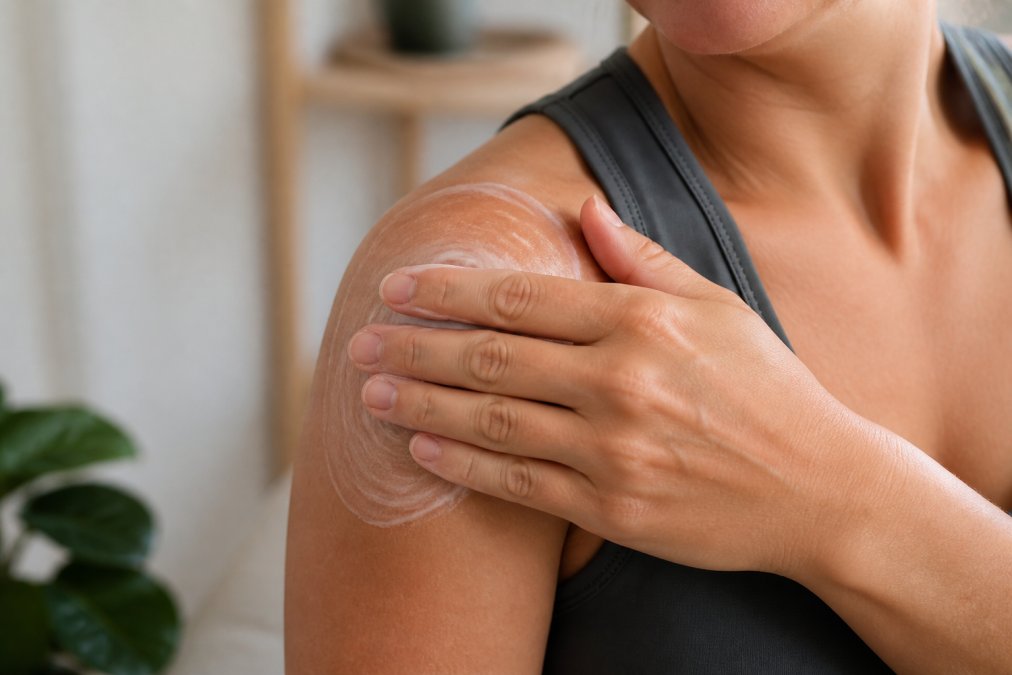
Let it absorb without rubbing it away
After the massage, stop touching the area. The medication needs 5-10 minutes to begin significant absorption. Avoid touching, scratching, wiping with clothing, applying heat immediately, or adding more product. The non-greasy formula in Railroad Remedies (RXR) products absorbs completely within 10-15 minutes.
How Long Does It Take for Topical Pain Relief to Work
Relief typically begins within 15-30 minutes, with maximum effectiveness between 45 minutes and 2 hours (the FDA). This timeline varies based on the medication, skin thickness, local blood flow, and application technique. For local relief targeting specific joints or muscles, you'll notice improvement sooner than systemic absorption, which takes 2-4 hours.
Consistent application matters. Regular use 2-3 times daily builds therapeutic concentrations in the affected tissue. After a week of consistent application, most users report noticeably better pain management than sporadic use.
Does Heat Increase Absorption of Topical Pain Relief
Yes, heat increases absorption by increasing blood flow to the application site and enhancing skin permeability. However, timing and technique are critical.
How occlusive dressings work
Covering the application area with plastic wrap, a bandage, or clothing traps body heat and moisture, creating a warm microenvironment that significantly enhances absorption. Heat makes the stratum corneum more flexible and hydrated, allowing medication to penetrate more easily.
Wait 5-10 minutes before adding heat to allow natural absorption to begin. You can then cover the area with loose clothing, wrap it with a soft cloth, or apply a heating pad on low or medium setting held 2-3 inches from the skin.
Gentle warming techniques
Use gentle heat, not intense heat. A warm compress held for 10-15 minutes after application works well without risk of burns. Avoid direct heat sources like hot water bottles or high-temperature heating pads, which can cause irritation.
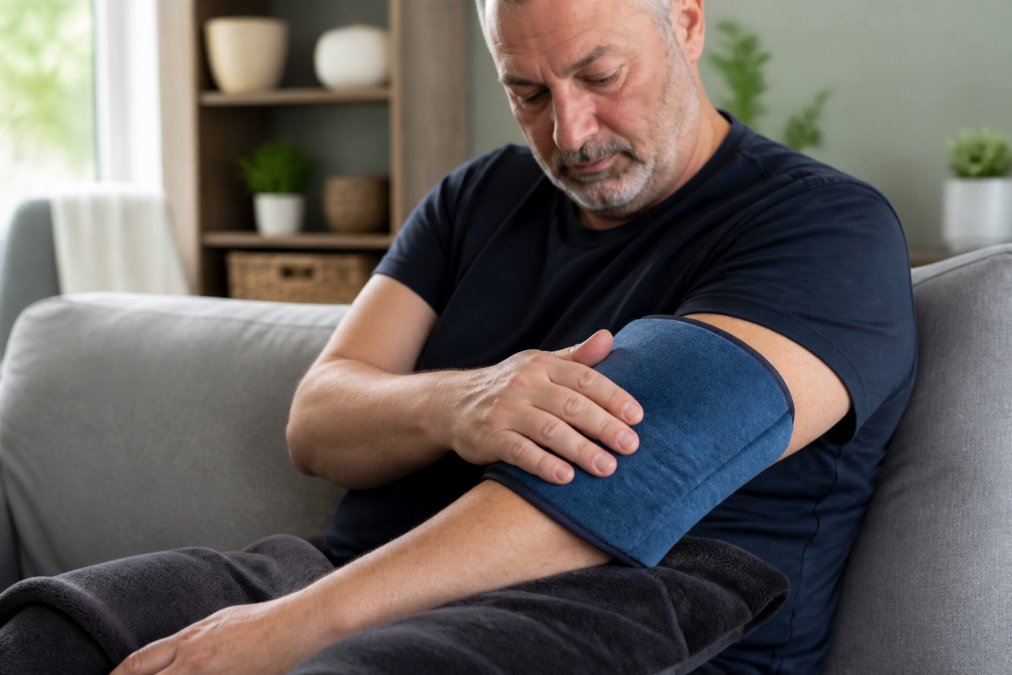
For sensitive skin or areas affected by radiation therapy, skip heat entirely or use only very gentle warmth. The medication will still work; heat just accelerates the process.
Best Practices for Applying Medicated Creams
Consistency beats perfection. Choose application times that fit your routine and be realistic about frequency.
Application frequency and dosage
Most topical pain relief products work best with 2-3 applications per day, spaced 6-8 hours apart. Don't exceed recommended frequency; more applications don't deliver better results and can cause skin irritation over time. For acute pain, you might apply more frequently for 1-2 days, then return to standard dosing. For chronic pain, regular applications at the same times each day produce better results than sporadic heavy applications.
Avoiding common mistakes
Don't apply too much product, a quarter-sized amount is sufficient. Always apply to completely dry skin. Don't apply multiple topical medications simultaneously without checking for interactions; wait 15-20 minutes between applications. Avoid touching the area for at least 1-2 hours after application, and don't wash it during this window. Give the product at least 3-5 days of consistent use before evaluating effectiveness; most users need 1-2 weeks to notice substantial improvement in chronic pain.
Natural Alternatives to NSAIDs for Pain
Topical pain relief offers a natural alternative to oral NSAIDs, particularly for people with sensitive stomachs or those taking multiple medications. CBD and CBC (cannabichromene) interact with the body's endocannabinoid system to reduce inflammation and pain signaling through multiple pathways. Capsaicin, derived from chili peppers, works by depleting substance P, a neurotransmitter involved in pain signaling.
Railroad Remedies (RXR) combines CBD with CBC in their 2000mg formula because CBC has enhanced anti-inflammatory properties compared to CBD alone. The addition of organic coconut oil, shea butter, and kukui nut oil provides deep skin hydration while delivering active ingredients. For people managing chronic pain without daily oral medications, topical options provide meaningful relief while avoiding gastrointestinal side effects associated with long-term NSAID use.
Safety Precautions and When to Avoid Topical Pain Relief
Do not apply to broken skin, open wounds, or severely irritated areas. Avoid applying near mucous membranes, mouth, eyes, nose, and genital areas. Check ingredient lists carefully; if allergic to coconut oil, shea butter, or kukui nut oil, choose an alternative product.
Wash your hands after application unless treating your hands. Do not use during pregnancy or nursing without consulting your healthcare provider. If you take blood thinners or certain heart medications, discuss topical pain relief with your doctor before use.
For people with compromised skin barriers, severe eczema, psoriasis, or recovering from radiation therapy, start with test applications on a small area. Avoid applying heat immediately after application if you have diabetes, neuropathy, or reduced sensation in the area.
Chronic pain shouldn't force you to choose between relief and your health. Topical pain relief, when applied correctly, delivers targeted comfort without systemic side effects of daily oral medications. Proper skin preparation, correct dosage, and patience with absorption timing make the difference between mediocre results and real relief.
Railroad Remedies (RXR) specializes in premium topical pain relief formulated specifically for absorption and skin health. The 2000mg CBD/CBC formula combines cannabichromene's enhanced anti-inflammatory properties with organic coconut oil, shea butter, and kukui nut oil for deep hydration. For chronic joint pain, arthritis, or muscle soreness, consistent application provides measurable improvement within 1-2 weeks. Start with Railroad Remedies (RXR) and experience the difference a properly absorbed topical can deliver.
| Application Step | Duration | Key Point |
|---|---|---|
| Skin preparation | 2-3 minutes | Clean and completely dry |
| Gentle massage | 60-90 seconds | Circular motions to enhance circulation |
| Initial absorption | 5-10 minutes | Avoid touching or rubbing |
| Full absorption | 45 minutes-2 hours | Maximum effectiveness achieved |
| Reapplication window | 6-8 hours | Maintain consistent therapeutic levels |
Frequently Asked Questions
Q: How long does it take for topical pain relief to work?
A: Most topical analgesics begin working within 5 to 15 minutes of application, though full absorption can take 30 to 60 minutes. CBD-based formulas like Railroad Remedies' 2000mg CBD/CBC blend often deliver noticeable relief within minutes. Individual results vary based on skin thickness, vascularity, and the specific area treated.
Q: Should you wash the area before applying topical pain relief?
A: Yes. Gently wash the area with mild soap and lukewarm water to remove dirt, sweat, and other barriers that can block absorption. Pat the skin completely dry before application, moisture on the skin can actually slow transdermal absorption. Avoid harsh scrubbing, which can irritate the skin and reduce the effectiveness of your topical medication.
Q: Does heat increase absorption of topical pain relief?
A: Yes, moderate heat does increase absorption. Warmth widens blood vessels and increases skin permeability, allowing the active ingredients to penetrate deeper into local soft tissue. A gentle heating pad applied for 10 to 15 minutes after application, or an occlusive dressing (like plastic wrap), can enhance bioavailability without risking burns or skin irritation.
Q: Are topical pain creams safe for sensitive skin from radiation therapy?
A: Many topical analgesics are gentle enough for sensitive skin, but radiation-damaged skin requires extra care. Look for products with soothing, organic ingredients like coconut oil and shea butter that hydrate without irritation. Railroad Remedies' formula is designed to be non-greasy and easily absorbed, making it suitable for compromised skin. Always patch-test first and consult your oncologist if you're undergoing active treatment.
This article was written using GrandRanker
