

Cost of CBD Lotion for Chronic Arthritis
Table of Contents
- What Determines the Cost of CBD Lotion for Chronic Arthritis
- CBD vs CBC for Pain Relief: Why Potency Matters to Your Wallet
- CBD Lotion Dosage for Chronic Pain and Monthly Costs
- Is CBD Lotion FDA Approved and What That Means for Price
- Long-Term Cost Analysis: CBD Lotion vs. Traditional Arthritis Treatments
- How to Evaluate Quality and Transparency in CBD Products
- Frequently Asked Questions
Last Updated: September 19, 2026
What Determines the Cost of CBD Lotion for Chronic Arthritis
The cost of CBD lotion for chronic arthritis varies dramatically based on a handful of factors that most buyers overlook until they've already made a purchase. Potency, ingredient quality, and manufacturing transparency drive prices up or down, sometimes by hundreds of dollars for seemingly similar products.
CBD concentration is the primary cost driver. A 500mg lotion costs far less than a 2000mg formula because the cannabidiol extract represents a significant portion of production expense. Full-spectrum extracts contain additional terpenes and minor cannabinoids that increase production complexity and cost, while isolate-based formulas lower price but potentially reduce therapeutic effect.
Organic coconut oil, shea butter, and kukui nut oil cost more than conventional alternatives but absorb better and provide additional anti-inflammatory benefits, commanding higher prices than basic formulations.
Third-party testing adds cost but eliminates guesswork about cannabinoid content, contaminants, and label accuracy.
Non-greasy formulations require sophisticated emulsification, increasing production costs.
CBD vs CBC for Pain Relief: Why Potency Matters to Your Wallet
CBC (cannabichromene) is a minor cannabinoid found naturally in hemp with distinct pharmacological properties relevant to arthritis pain.
CBD works through anti-inflammatory pathways by reducing cytokine production, while CBC modulates pain perception through different receptors. A CBD/CBC blend targets arthritis pain through two separate biological pathways rather than amplifying a single mechanism.
CBC-inclusive formulations often feel less occlusive on skin despite comparable potency.
For arthritis specifically, the combination of anti-inflammatory (CBD) and analgesic (CBC) pathways addresses two distinct pain mechanisms: joint inflammation and nerve sensitization. A single-pathway compound may address one but not the other.
CBD Lotion Dosage for Chronic Pain and Monthly Costs
For chronic arthritis, a quarter-sized amount can be applied directly to the affected joint, rubbed in for 30-60 seconds until fully absorbed.
Twice-daily application, morning for waking stiffness and evening, may help reduce overnight inflammation and improve sleep quality.
A 500mg lotion applied twice daily lasts approximately 3-4 weeks. A 2000mg formula lasts 8-10 weeks.
Larger joints like knees may require more product per application, and thick skin may require double the amount. Realistic monthly budgets range from $35 to $70 depending on joint location and skin condition.
Consistent application for 4-6 weeks may produce cumulative benefits, potentially allowing for reduced frequency to once daily after an initial loading phase. This may extend product life.
| Potency | Container Size | Daily Applications | Monthly Cost | Duration Per Container |
|---|---|---|---|---|
| 500mg | 3.3oz | 2x daily | ~$40 | 3-4 weeks |
| 2000mg | 3.3oz | 2x daily | ~$35 | 8-10 weeks |
| 500mg | 3.3oz | 1x daily | ~$20 | 6-8 weeks |
| 2000mg | 3.3oz | 1x daily | ~$18 | 16+ weeks |
Is CBD Lotion FDA Approved and What That Means for Price
The FDA does not currently approve CBD topicals as drugs or medications.
CBD lotions are sold as cosmetics or dietary supplements, allowing wellness claims but not disease-treatment claims.
Quality standards vary widely across manufacturers, with some following pharmaceutical-grade practices voluntarily.
Manufacturers investing in third-party testing and transparent sourcing charge more because they voluntarily meet higher standards.
Railroad Remedies (RXR)'s CBD/CBC lotion emphasizes ingredient transparency and third-party testing, reflecting premium pricing.
Long-Term Cost Analysis: CBD Lotion vs. Traditional Arthritis Treatments
Understanding how topical CBD complements, rather than replaces, these medications is essential for realistic cost planning.
NSAIDs and topical CBD: A practical combination. Over-the-counter NSAIDs cost $10-30 monthly but carry cumulative risks: gastrointestinal ulcers (1-4% of long-term users annually), cardiovascular events, and kidney dysfunction. Prescription NSAIDs cost $30-80 monthly, plus gastroprotective medications ($10-20 monthly) and monitoring visits.
Topical CBD lotion doesn't interact systemically with NSAIDs because absorption is localized. A user can apply CBD lotion while taking NSAIDs. This approach may reduce GI complications, gastroprotective medications, and specialist visits over time.
CBD/CBC 2000mg Pain Relief Lotion 3.3oz →
DMARDs and topical CBD: Complementary, not competitive. DMARDs like methotrexate ($20-100 monthly) are disease-modifying and not optional for moderate-to-severe rheumatoid arthritis. Topical CBD can reduce the DMARD dose required for adequate pain control, lowering systemic side effects like fatigue, nausea, and liver enzyme elevation.
No documented interactions exist between topical CBD and DMARDs because topical CBD absorption is minimal and localized. A person on methotrexate can safely add CBD lotion.
Biologic medications and topical CBD: Synergistic pain management. Injectable biologics cost $2,000-5,000 monthly plus lab monitoring ($200-500 quarterly) and rheumatology visits ($150-300 per visit, typically 4-6 annually).
Topical CBD does not interact with biologics and may enhance pain relief without requiring biologic dose escalation.
Realistic long-term cost scenarios. For someone with moderate osteoarthritis managed with NSAIDs alone: NSAID-only costs $30-80 monthly; NSAID + CBD lotion costs $65-150 monthly but reduces NSAID-related complications, saving $2,000-5,000 over 3 years in avoided gastroenterology and treatment.
For someone with rheumatoid arthritis on a DMARD: DMARD-only costs $40-120 monthly; DMARD + CBD lotion may improve quality of life.
For someone on a biologic: Biologic-only costs $2,200-5,300 monthly (medication + monitoring); biologic + CBD lotion may allow minor biologic dose optimization.
The application technique factor. Long-term cost also depends on application efficiency. A user applying CBD lotion to a single knee joint uses far less product than someone managing hand osteoarthritis across all finger joints. Hands require application to 10 separate joints; knees require application to 1-2 joints. A 2000mg container applied twice daily to both hands lasts 4-5 weeks; the same container applied to one knee lasts 10-12 weeks. This means the monthly cost for hand arthritis ($50-70) is significantly higher than for knee arthritis ($20-30) when using the same product.
How to Evaluate Quality and Transparency in CBD Products
Quality differences between CBD lotions directly impact effectiveness and safety, yet most buyers ignore transparency indicators that reveal manufacturing standards. Third-party testing is the single most important quality signal.
Legitimate manufacturers publish certificates of analysis from independent labs showing exact cannabinoid content, absence of heavy metals, and microbial contamination screening. These documents should be freely available on the product page or upon request. If a brand won't share testing results, the product likely hasn't been tested or failed testing.
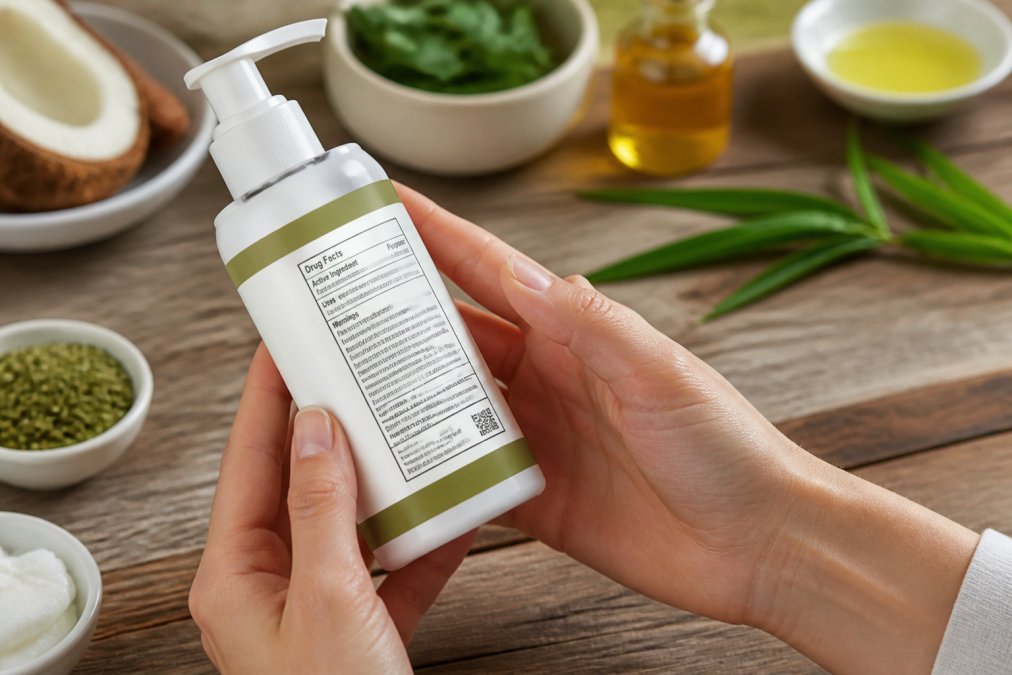
Ingredient sourcing matters more than most buyers realize. Organic certification for botanical ingredients indicates compliance with pesticide restrictions. Carrier oils like coconut oil and shea butter should be specified as organic and cold-pressed to preserve beneficial compounds. Products listing vague ingredients like "botanical extract blend" hide lower-quality components.
Full-spectrum versus broad-spectrum versus isolate formulations affect both price and effectiveness. Full-spectrum contains all naturally occurring cannabinoids and terpenes from hemp. Broad-spectrum removes THC while keeping other compounds. Isolate offers pure CBD or pure CBC.
Railroad Remedies (RXR)'s approach to transparency includes detailed ingredient lists showing organic coconut oil, shea butter, and kukui nut oil by name, plus the specific cannabinoid profile (CBD and CBC amounts). This level of disclosure signals confidence in product quality and manufacturing standards.
Check whether the brand discloses extraction methods.
Look for brands that specify potency per container and per application. This transparency lets you calculate actual cost per dose and compare meaningfully across products.
Sourcing transparency extends to hemp origin. Brands should disclose whether hemp is sourced from certified farms with documented growing practices.
Evaluating the cost of CBD lotion for chronic arthritis requires looking beyond the price tag to potency, ingredient quality, and long-term value. Railroad Remedies (RXR)'s 2000mg CBD/CBC blend demonstrates how premium pricing reflects superior formulation, organic ingredients, transparent third-party testing, and the addition of CBC for enhanced anti-inflammatory effect. For arthritis sufferers managing chronic pain over years, investing in quality lotion that absorbs quickly and delivers consistent relief may be beneficial. Start with the brand's CBD Relief Lotion 500mg to assess tolerance, then consider the CBD/CBC 2000mg formula for sustained joint support.


Frequently Asked Questions
How much does high-quality CBD lotion typically cost for chronic arthritis?
High-quality CBD lotion prices range from $40 to $70 per 3.3 oz bottle depending on potency and ingredients. A 500mg CBD lotion typically costs $39.99, while a premium 2000mg CBD/CBC blend costs $69.99. Third-party testing and organic ingredients typically increase cost but ensure product quality and safety.
What factors influence the price of CBD pain relief lotions?
CBD lotion pricing depends on cannabidiol potency (measured in milligrams), presence of additional cannabinoids like CBC, carrier oil quality, organic certification, third-party testing, and ingredient sourcing. Premium formulas with full-spectrum or broad-spectrum extracts and organic coconut oil cost more than basic options. Transparency through certificates of analysis also affects pricing.
Is expensive CBD lotion always more effective for arthritis pain?
Higher cost doesn't guarantee better results, but premium products may deliver superior efficacy. The key is potency and ingredient quality. A 2000mg CBD/CBC blend with organic carrier oils and anti-inflammatory ingredients may offer enhanced support. Third-party testing confirms potency matches the label. Your individual response matters most; some people find effective relief at lower price points, while others need higher concentrations for chronic pain management.
Does insurance cover CBD topicals for arthritis?
Most health insurance plans do not cover CBD topicals because the FDA has not approved cannabidiol for arthritis treatment. Since CBD lotion remains classified as a supplement rather than an approved medication, it falls outside typical insurance coverage.
