

CBD Cream vs Oral CBD for Neuropathy
Table of Contents
- How CBD Cream and Oral CBD Differ for Neuropathy
- CBD Bioavailability: Oral vs Topical Absorption
- Benefits of CBD and CBC for Pain Management
- How to Apply CBD Cream for Nerve Pain
- Side Effects and Safety Profiles
- Which Option Works Best for Your Neuropathy
- Conclusion
Last Updated: August 23, 2026
How CBD Cream and Oral CBD Differ for Neuropathy
When dealing with neuropathic pain, the choice between topical and oral CBD determines how each method reaches your nerve tissue and delivers relief. A topical cream stays localized, penetrating skin layers directly above affected nerves. An oral tincture enters your bloodstream and circulates throughout your body, potentially reaching nerve tissue anywhere. This distinction matters enormously for peripheral neuropathy, where pain often concentrates in specific areas like feet, hands, or lower legs.
At Railroad Remedies (RXR), the answer depends on your pain location, severity, and how quickly you need relief.
Topical Application and Direct Skin Penetration
A CBD cream works by penetrating through the epidermis and dermis, reaching cannabinoid receptors in nerve endings near the application site. The cannabinoids go straight to work where you need them, bypassing your digestive system and liver entirely.
Transdermal absorption requires proper formulation. Organic coconut oil, shea butter, and dimethyl sulfoxide (DMSO) enhance dermal penetration, allowing cannabinoids to reach deeper tissue layers where peripheral nerves reside. A poorly formulated cream may sit on your skin's surface without delivering meaningful relief.
Topicals bypass first-pass metabolism entirely, meaning the CBD that penetrates your skin is the CBD that works. For someone with neuropathy in their hands or feet, this localized approach can deliver relief within 15-30 minutes of application.
Oral Administration and Systemic Circulation
Oral CBD, whether as a tincture, capsule, or edible, enters your digestive tract and gets absorbed through your intestinal walls, then travels to your liver before entering general circulation. This systemic approach means cannabinoids can reach nerve tissue throughout your entire body.
The tradeoff is time and efficiency. Oral CBD typically takes 30 minutes to 2 hours to produce noticeable effects because it must pass through digestion first. Your liver metabolizes a significant portion before it reaches systemic circulation, requiring higher doses to achieve the same therapeutic effect as topical application.
Oral CBD excels for widespread neuropathy affecting multiple body areas. If your nerve pain radiates across your legs, arms, and torso, a systemic approach covers more ground than spot-treating with creams.
CBD Bioavailability: Oral vs Topical Absorption
Bioavailability, the amount of CBD your body actually uses, differs dramatically between delivery methods. A higher dose doesn't automatically mean better results if your body can't absorb it efficiently.
First-Pass Metabolism and Oral Bioavailability
When you take CBD orally, your liver processes it before it enters your bloodstream. This hepatic metabolism reduces bioavailability significantly. Oral CBD bioavailability typically ranges from 6-15%, meaning if you take 100mg of oral CBD, only 6-15mg reaches systemic circulation in its active form.
For neuropathic pain management, this means oral dosing requires consistency. Regular daily dosing allows CBD to accumulate in your system and maintain therapeutic levels. Many people find oral tinctures work better with a consistent routine, same time each day, same dose.
Transdermal Absorption and Topical Effectiveness
Topical CBD concentrates in the skin and underlying tissue where you apply it, rather than entering your bloodstream. This localized concentration is an advantage for neuropathy, as the CBD doesn't get diluted throughout your entire body.
Transdermal absorption depends heavily on formulation. Organic coconut oil provides a lipid base that allows cannabinoids to dissolve and penetrate. Shea butter nourishes skin while supporting absorption. DMSO helps cannabinoids cross the dermal barrier more effectively. A well-formulated topical cream can achieve much higher local concentrations of CBD than oral administration could deliver systemically.
Topical CBD cream for neuropathy often works faster and requires lower total cannabinoid content. A 500mg topical cream applied directly to painful feet might deliver more therapeutic benefit than a 1000mg oral dose because the concentration at the nerve site is higher and absorption is more direct.
Benefits of CBD and CBC for Pain Management
Understanding how cannabinoids relieve neuropathic pain helps you choose the right delivery method. CBD and CBC work through distinct mechanisms, and combining them amplifies relief.
Anti-Inflammatory and Analgesic Properties
Neuropathic pain often stems from inflammation surrounding damaged nerves. CBD reduces this inflammation by interacting with cannabinoid receptors in immune cells and nerve tissue. This anti-inflammatory action addresses one root cause of neuropathy rather than just masking pain signals.
The analgesic properties of CBD work through multiple pathways. CBD modulates nerve signaling, reducing the intensity of pain messages traveling to your brain, and influences serotonin receptors, which regulate pain perception. For peripheral neuropathy, this dual action is valuable: CBD simultaneously reduces inflammation causing the pain and dampens the nerve signals transmitting it.
CBC's Role in Enhanced Relief
Cannabichromene (CBC) is a lesser-known cannabinoid that offers distinct benefits complementing CBD. CBC binds to different receptors than CBD, activating additional pain-relief pathways. Research suggests CBC enhances anti-inflammatory effects beyond what CBD alone provides.
When combined, CBD and CBC create the entourage effect, their combined action exceeds what either produces individually. For neuropathic pain, this synergy matters. Railroad Remedies' 2000mg CBD/CBC blend incorporates both cannabinoids specifically for this reason, addressing pain through multiple biological channels simultaneously.
How to Apply CBD Cream for Nerve Pain
Proper application technique determines whether your CBD cream delivers relief or sits ineffectively on your skin.
Application Technique and Dosage
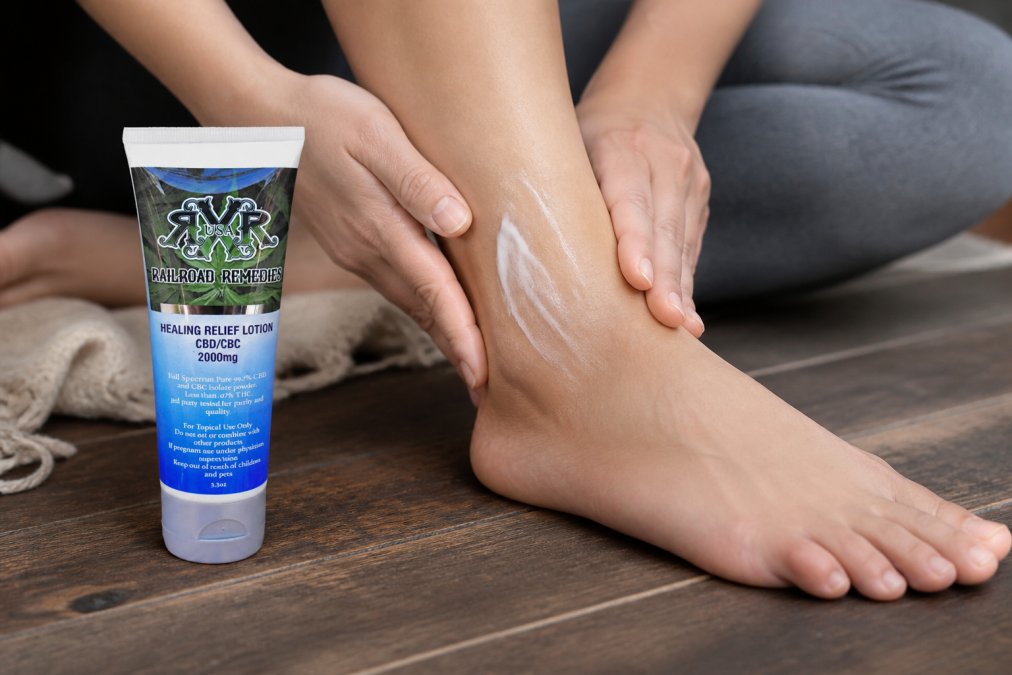
Clean the affected area with mild soap and water, then pat dry. Apply a small amount of cream, roughly the size of a coin for a localized area like your foot, or a quarter-sized amount for larger areas like your calf. Massage the cream into the skin using gentle, circular motions for 2-3 minutes. This massage increases blood flow to the area, enhances absorption through friction and warmth, and allows you to feel where the pain is most concentrated.
For neuropathic pain in your feet, apply the cream to the soles, tops of feet, and ankles where nerve endings concentrate. For hand neuropathy, cover the entire hand including between fingers and up the forearm. Dosage with topicals is less about exact milligrams and more about coverage and frequency. A 500mg cream covers smaller areas effectively; a 2000mg formula handles larger areas or more severe pain.
Frequency and Consistency for Neuropathic Pain
Apply CBD cream 2-3 times daily for best results. Morning, afternoon, and evening creates consistent coverage. Consistency matters more than occasional heavy application. Your nerve tissue responds better to regular, moderate dosing than sporadic high doses.
Most people notice improvement within 1-2 weeks of consistent application. Don't wash the area immediately after application; let the cream absorb for at least 30 minutes before showering. If applying to your feet, wear socks to keep the cream in place.
Side Effects and Safety Profiles
CBD cream vs oral CBD for neuropathy carries different safety considerations.
Topical Safety and Skin Sensitivity
Topical CBD creams are remarkably safe because they don't enter your bloodstream in meaningful quantities. The primary risk is localized skin irritation or allergic reaction to ingredients. If you have sensitive skin, test the cream on a small area first.
Railroad Remedies' formulation includes soothing ingredients like organic coconut oil, shea butter, and kukui nut oil designed to support skin health. Watch for redness, itching, or burning at the application site. If irritation develops, discontinue use and rinse the area thoroughly.
Oral CBD and Drug Interactions
Oral CBD carries more significant interaction potential because it enters your bloodstream and gets processed by your liver. CBD inhibits cytochrome P450 enzymes, the same enzymes that metabolize many medications. This can increase blood levels of certain drugs, potentially causing side effects.
Common medications that may interact with oral CBD include blood thinners, heart medications, seizure medications, and certain pain relievers. If you're taking any prescription medications, discuss oral CBD with your doctor before starting. Side effects from oral CBD are generally mild: drowsiness, dry mouth, or digestive changes.
Topical CBD eliminates these concerns almost entirely. Since it doesn't enter systemic circulation significantly, drug interactions are essentially non-existent. This makes topical CBD safer for people on multiple medications or those with liver concerns.
Which Option Works Best for Your Neuropathy
The choice between topical and oral CBD depends on your specific situation.
When to Choose Topical CBD Cream
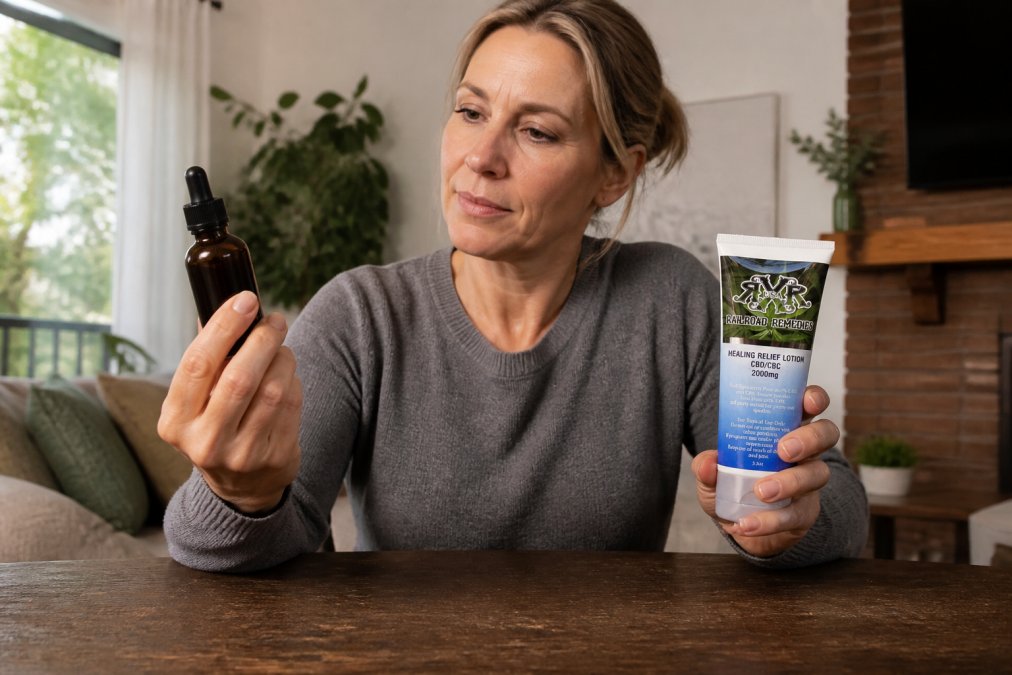
Choose topical CBD cream when your neuropathy is localized to specific areas: feet, hands, lower legs, or localized nerve pain along one side of your body. Topicals also make sense if you take multiple medications or have liver concerns, since drug interactions aren't a worry.
Choose topical if you want faster results. Topical CBD cream typically produces noticeable relief within 15-30 minutes. Railroad Remedies' CBD Relief Lotion at 500mg works well for mild-to-moderate localized pain. For severe neuropathy or larger treatment areas, the CBD/CBC 2000mg Pain Relief Lotion 3.3oz provides more potent relief.

When to Choose Oral CBD
Choose oral CBD when your neuropathy affects multiple body areas. If pain radiates across your legs, arms, and torso, systemic CBD reaches all affected regions simultaneously. Oral CBD also suits people who prefer a consistent daily routine and those seeking broader wellness benefits beyond pain relief, including nervous system regulation, anxiety reduction, and improved sleep quality.
Railroad Remedies offers several oral options: Morning Star Berry CBD Tinctures, Polar Express Peppermint CBD Tinctures, and Pacific Sunrise Peace CBD Tinctures, each at 1000mg potency.

Combining Both Methods for Maximum Relief
Many people find that combining topical and oral CBD provides the best results. Use topical cream for localized pain relief throughout the day, then take an oral tincture in the evening for systemic support and sleep quality. This combination approach addresses neuropathy through multiple pathways simultaneously. Start with one method, assess results after 2 weeks, then add the second if needed.
Neuropathic pain doesn't have to dominate your life. Whether you choose topical CBD cream, oral CBD, or both depends on your pain location, medication interactions, and lifestyle. Railroad Remedies (RXR) provides premium options for both approaches: the CBD Relief Lotion 500mg and CBD/CBC 2000mg Pain Relief Lotion for topical relief, plus our flavored CBD Tinctures for systemic support. Start with the delivery method that matches your situation, give it 2-3 weeks of consistent use, and adjust based on your results. Quality formulations with proven ingredients make all the difference in whether CBD actually addresses your neuropathy or falls short.

=== FAQ ANSWERS (audit these too, same rules) ===
[1] Q: How does CBD bioavailability differ between oral and topical application? A: Oral CBD passes through first-pass metabolism in the liver, reducing bioavailability to 6-15%. Topical CBD cream avoids this process, delivering cannabinoids directly through dermal penetration to localized nerve areas. This means topical applications reach affected tissues more efficiently, though oral CBD provides systemic circulation for widespread neuropathic pain. Your choice depends on whether you need targeted relief (topical) or whole-body pain management (oral).
[2] Q: What are the benefits of CBD and CBC for pain relief? A: CBD activates cannabinoid receptors involved in pain signaling and inflammation, while CBC enhances these effects through its own analgesic and anti-inflammatory properties. CBC may increase the therapeutic window by working synergistically with CBD. Both cannabinoids interact with the endocannabinoid system to reduce nociceptive pain signals without intoxication, making them suitable for long-term neuropathy management.
[3] Q: Is topical CBD cream effective for deep nerve pain, or just surface-level soreness? A: Topical CBD cream penetrates the dermis and can reach nerve endings causing localized neuropathic pain in feet, hands, and joints. For deep nerve pain affecting large areas or systemic neuropathy, oral CBD may be more effective because it enters systemic circulation. Many patients find topical application works best for peripheral neuropathy in specific areas, while oral tinctures address broader nerve inflammation throughout the body.
[4] Q: What should I look for in a CBD cream for neuropathy? A: Choose a cream with full-spectrum or broad-spectrum CBD for enhanced cannabinoid profiles, third-party testing verification, and organic ingredients like coconut oil and shea butter that support skin health. Look for concentrations between 500-2000mg per container. A non-greasy, fast-absorbing formula matters if you need to apply throughout the day. Verify the product contains no THC if you want to avoid intoxication, and check for CBC inclusion, which may provide additional anti-inflammatory benefits for nerve pain.
Frequently Asked Questions
How does CBD bioavailability differ between oral and topical application?
Oral CBD passes through first-pass metabolism in the liver, reducing bioavailability to 6-15%. Topical CBD cream avoids this process, delivering cannabinoids directly through dermal penetration to localized nerve areas. This means topical applications reach affected tissues more efficiently, though oral CBD provides systemic circulation for widespread neuropathic pain. Your choice depends on whether you need targeted relief (topical) or whole-body pain management (oral).
What are the benefits of CBD and CBC for pain relief?
CBD activates cannabinoid receptors involved in pain signaling and inflammation, while CBC enhances these effects through its own analgesic and anti-inflammatory properties. CBC may increase the therapeutic window by working synergistically with CBD. Both cannabinoids interact with the endocannabinoid system to reduce nociceptive pain signals without intoxication, making them suitable for long-term neuropathy management.
Is topical CBD cream effective for deep nerve pain, or just surface-level soreness?
Topical CBD cream penetrates the dermis and can reach nerve endings causing localized neuropathic pain in feet, hands, and joints. For deep nerve pain affecting large areas or systemic neuropathy, oral CBD may be more effective because it enters systemic circulation. Many patients find topical application works best for peripheral neuropathy in specific areas, while oral tinctures address broader nerve inflammation throughout the body.
What should I look for in a CBD cream for neuropathy?
Choose a cream with full-spectrum or broad-spectrum CBD for enhanced cannabinoid profiles, third-party testing verification, and organic ingredients like coconut oil and shea butter that support skin health. Look for concentrations between 500-2000mg per container. A non-greasy, fast-absorbing formula matters if you need to apply throughout the day. Verify the product contains no THC if you want to avoid intoxication, and check for CBC inclusion, which may provide additional anti-inflammatory benefits for nerve pain.
This article was written using GrandRanker
