

Best CBD Topicals for Nerve Damage Recovery
Table of Contents
- How CBD Topicals Work for Nerve Damage
- CBD vs CBC for Pain Relief: What's the Difference
- Key Ingredients to Look for in Nerve Pain Relief Topicals
- How to Use CBD Topicals for Neuropathy
- Is CBD FDA Approved for Nerve Damage
- Safety, Side Effects, and Drug Interactions
- Choosing the Right CBD Strength for Your Condition
Last Updated: August 29, 2026
How CBD Topicals Work for Nerve Damage
CBD topicals work by interacting with cannabinoid receptors in your skin and underlying nerve tissue. When applied directly to the affected area, cannabinoids penetrate the dermal layer and interact with your body's endocannabinoid system, which regulates pain signals and inflammation. This localized approach means active compounds work where you need them most, rather than circulating through your entire bloodstream like oral supplements.
Your nerve endings contain CB1 and CB2 receptors that respond to cannabinoids. When activated, these receptors reduce pain signal transmission and decrease inflammatory responses contributing to nerve damage, particularly relevant for peripheral neuropathy, which causes chronic pain, tingling, and paresthesia. Many users report relief within minutes of application, though absorption depth depends on the formula's bioavailability and penetration-enhancing ingredients.
CBD vs CBC for Pain Relief: What's the Difference
CBD and CBC are both cannabinoids but interact with your body's pain-management systems differently. CBD works primarily by modulating serotonin receptors and reducing inflammatory cytokines, while CBC shows stronger direct interactions with pain receptors and enhanced anti-inflammatory properties in research.
CBC, or Cannabichromene, is often called the "pain-fighting cannabinoid" because early research suggests it may be more potent for certain neuropathic pain types than CBD alone. When combined in a full-spectrum formula, CBC and CBD work synergistically, a phenomenon called the "entourage effect", where compounds enhance each other's therapeutic potential. Railroad Remedies (RXR) formulated their premium 2000mg CBD/CBC blend specifically for users seeking advanced relief from chronic nerve pain.

CBC appears to have higher affinity for TRPV1 receptors, heavily involved in pain perception at nerve endings (peer-reviewed research). CBD is broader-spectrum, addressing inflammation, anxiety, and general pain signaling. For peripheral neuropathy, combining both cannabinoids delivers more comprehensive relief than either alone.
Key Ingredients to Look for in Nerve Pain Relief Topicals
Beyond cannabinoids, carrier oils and complementary ingredients determine how effectively the topical penetrates to nerve tissue and how long relief lasts. Coconut oil enhances cannabinoid absorption through the skin barrier with its medium-chain triglycerides. Shea butter provides deep hydration and mild anti-inflammatory properties, ideal for skin irritated by chronic pain conditions or medical treatments.
Kukui nut oil, featured in Railroad Remedies (RXR) formulations, absorbs quickly without leaving greasy residue, critical for users applying topicals multiple times daily. It's rich in linoleic acid, supporting skin barrier function and reducing irritation in sensitive skin affected by neuropathy or radiation therapy.
Look for complementary botanicals with proven analgesic properties. Menthol provides cooling sensation easing nerve pain, while capsaicin activates heat receptors that desensitize pain nerves over repeated applications. Some formulations include arnica for inflammation recovery or calendula for soothing irritated skin.
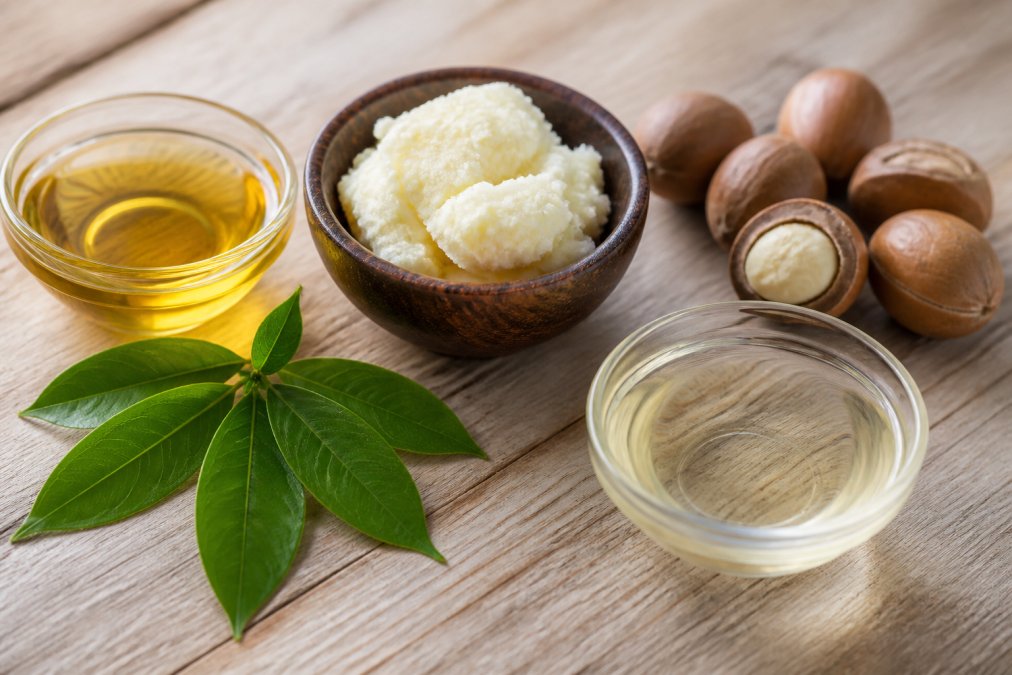
Quality matters significantly. Organic, cold-pressed oils retain more beneficial compounds than refined versions. When evaluating best cbd topicals for nerve damage recovery, check whether the product uses full-spectrum CBD rather than isolate, as terpenes like myrcene and pinene have their own anti-inflammatory and analgesic properties.
| Ingredient | Primary Benefit | Best For |
|---|---|---|
| Coconut oil | Enhanced CBD absorption | All nerve pain types |
| Shea butter | Deep hydration and skin repair | Sensitive, irritated skin |
| Kukui nut oil | Fast absorption, non-greasy | Daily multiple applications |
| Menthol | Cooling relief sensation | Acute nerve pain flare-ups |
| Capsaicin | Long-term pain desensitization | Chronic neuropathy |
How to Use CBD Topicals for Neuropathy
Application technique matters as much as the product itself. Clean and dry the affected area, then apply a quarter to half-teaspoon and massage gently using circular motions. This increases blood flow, enhancing both absorption and pain-relieving effect.
For peripheral neuropathy affecting your feet, apply in the evening after a warm foot soak. The warmth opens pores and increases circulation, allowing cannabinoids to penetrate deeper into nerve tissue. For hand neuropathy, apply after washing with warm water. Allow 10-15 minutes before touching your face or eyes.
Consistent application works better than sporadic use. Many practitioners recommend applying best cbd topicals for nerve damage recovery two to three times daily rather than waiting until pain becomes severe. This keeps cannabinoid levels in nerve tissue stable, providing sustained relief.
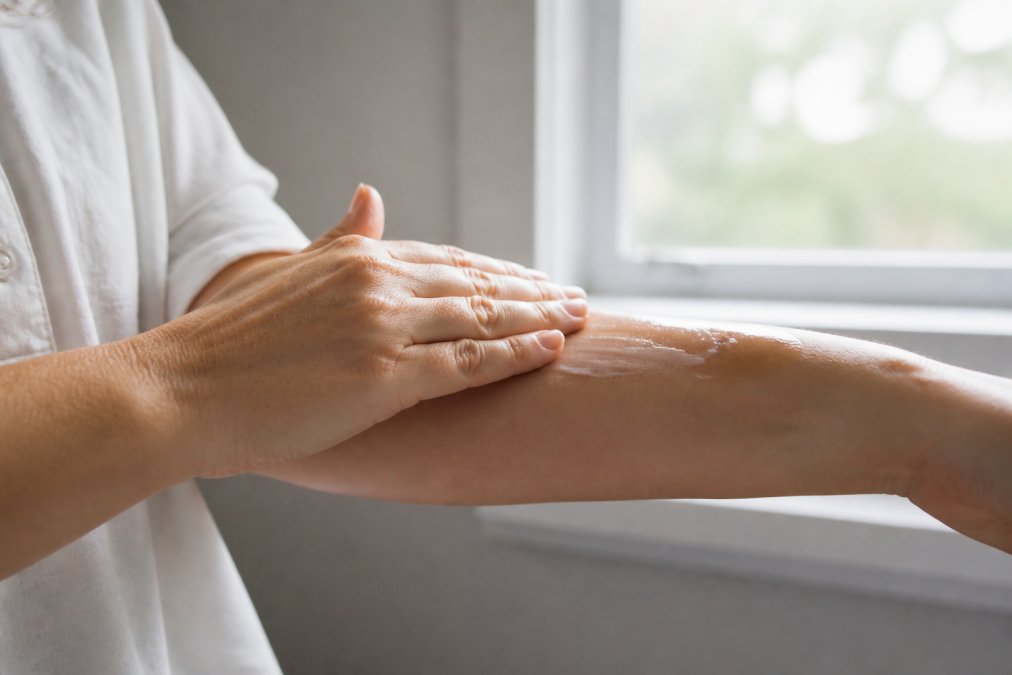
Pay attention to skin response over the first week. Mild warmth or tingling is normal and typically subsides. If you develop redness or increased irritation, reduce frequency to once daily and consider switching to a formulation with fewer complementary botanicals.
For severe neuropathy affecting large areas, you may need a higher-potency formula. Railroad Remedies (RXR)'s 2000mg CBD/CBC blend is designed for users who've found standard-strength topicals insufficient. The enhanced CBC content provides targeted relief for persistent nerve pain while organic carrier oils ensure deep, comfortable absorption.
Is CBD FDA Approved for Nerve Damage
The FDA has not approved CBD as a treatment for nerve damage or neuropathy. The only FDA-approved cannabis-derived medication is Epidiolex, approved specifically for certain seizure types (the FDA). For nerve pain, CBD remains classified as a dietary supplement, not a pharmaceutical drug.
This means CBD topicals are regulated as cosmetics or dietary supplements, not drugs. Manufacturers cannot claim their product "treats" or "cures" neuropathy. However, this regulatory status doesn't mean CBD lacks therapeutic potential; it simply means clinical evidence is still being gathered.
What you should look for is third-party testing and a Certificate of Analysis (CoA). Reputable manufacturers like Railroad Remedies (RXR) provide independent lab verification confirming CBD content, absence of contaminants, and absence of heavy metals. This transparency gives you confidence in what the label claims, even though the FDA hasn't approved CBD as a neuropathy treatment.
Many patients use CBD topicals as part of a broader pain-management strategy alongside conventional treatments. If you're taking medications for neuropathy, discuss CBD use with your healthcare provider to ensure no interactions, particularly if you're on medications metabolized by the liver.
Safety, Side Effects, and Drug Interactions
CBD topicals are generally well-tolerated but not risk-free. The most common side effect is mild skin irritation or contact dermatitis, particularly in users with sensitive skin. If using CBD topicals for radiation therapy side effects or conditions like eczema, start with a small test patch on a less visible area.
Systemic absorption from topical CBD is minimal compared to oral or inhalation methods, so whole-body side effects are rare. However, some users report mild drowsiness or dry mouth with large quantities on extensive areas. This is more likely with high-potency formulations like the 2000mg CBD/CBC blend.

The primary drug interaction concern involves medications metabolized by the cytochrome P450 enzyme system (peer-reviewed research). CBD can inhibit this enzyme, potentially increasing blood levels of certain medications. If you're taking blood thinners, anti-seizure medications, or immunosuppressants, consult your healthcare provider before regular CBD topical use. Topical application carries lower interaction risk than oral CBD, but the precaution applies if using large amounts.
For users with diabetes-related neuropathy, be aware that some complementary ingredients can interact with skin sensitivity. Capsaicin can cause temporary burning or increased sensation in some users, this is normal and typically decreases with continued use.
If you have sensitive skin from radiation therapy, choose formulations designed for compromised skin barriers. Railroad Remedies (RXR)'s organic coconut oil and shea butter base is gentler than formulations with synthetic fragrances or alcohol.
Choosing the Right CBD Strength for Your Condition
CBD strength is measured in milligrams per container. A 500mg topical in a 3.3oz jar provides roughly 15mg per application, while a 2000mg formula provides roughly 60mg per application. Your ideal strength depends on neuropathy severity, treatment area, and how your body responds to cannabinoids.
For mild to moderate nerve pain or first-time users, start with standard-strength formula like the 500mg CBD Relief Lotion. This allows you to assess skin response and whether dosing provides adequate relief. Most users find this sufficient for general nerve pain, arthritis-related inflammation, and post-exercise soreness.
If you've used standard-strength topicals for 2-3 weeks without meaningful relief, or if neuropathy is severe, consider a high-potency formula. The 2000mg CBD/CBC blend from Railroad Remedies (RXR) is specifically formulated for advanced relief. The CBC addition compounds anti-inflammatory and analgesic effects, making it more effective for persistent, treatment-resistant nerve pain.
Consider your treatment area size. Localized nerve pain in hands or feet usually requires standard strength. Extensive areas (both feet with diabetic neuropathy, large shingles pain areas, or widespread nerve damage) benefit from higher-potency formula allowing less product use while maintaining therapeutic effect.
Users over 60 often find standard-strength topicals require longer to take effect due to reduced skin permeability with age. In these cases, applying twice daily or switching to higher-potency formula often yields better results.
Budget matters too. The 500mg CBD Relief Lotion at $39.99 offers excellent value for general pain management. The 2000mg CBD/CBC blend at $69.99 costs more upfront but delivers four times the cannabinoid content per application, making it more economical for users needing frequent applications or severe, persistent pain.
Choosing the right CBD topical for nerve damage recovery comes down to understanding your specific pain pattern, skin sensitivity, and treatment goals. The best cbd topicals for nerve damage recovery combine high-quality cannabinoids with organic, skin-nourishing carrier oils that enhance absorption and comfort. Railroad Remedies (RXR) formulates both standard and advanced-strength options with organic coconut oil, shea butter, and kukui nut oil specifically for users managing chronic nerve pain. Start with consistent application of a formula matched to your pain severity, track results over 3-4 weeks, and adjust strength or frequency based on your observations. For third-party testing results and ingredient sourcing transparency, Railroad Remedies (RXR) provides Certificates of Analysis with every product, giving you confidence in both potency and purity.
Frequently Asked Questions
Does CBD topical actually help with nerve damage?
CBD topicals interact with cannabinoid receptors in the skin and underlying nerve endings to reduce inflammation and pain signaling. For peripheral neuropathy and localized nerve damage, topical application delivers cannabinoids directly to affected areas without systemic absorption. While clinical research is ongoing, many users with chronic nerve pain report meaningful relief from CBD topicals, especially when combined with consistent application and appropriate strength formulations.
What is the difference between CBD and CBC for nerve pain?
CBD (cannabidiol) is well-known for anti-inflammatory and analgesic properties, making it effective for nerve pain management. CBC (cannabichromene) is a lesser-known cannabinoid that research suggests may enhance anti-inflammatory effects and pain relief when combined with CBD. Full-spectrum formulas containing both cannabinoids, like our 2000mg CBD/CBC blend, may provide superior therapeutic potential for nerve damage compared to CBD alone.
How often should you apply CBD cream for neuropathy?
Most users apply CBD topicals for neuropathy 2-3 times daily, or as needed for pain management. Start with once daily to assess skin tolerance, then increase frequency based on symptom relief. Consistent application over several weeks often yields better results than sporadic use. Since topical CBD doesn't enter the bloodstream in significant amounts, frequent reapplication is generally safe, though you should monitor skin response and adjust based on your comfort level.
Can I use CBD topicals if I'm taking neuropathy medications?
CBD topicals have minimal systemic absorption when applied to skin, reducing the risk of drug interactions compared to oral CBD. However, if you're taking NSAIDs, gabapentin, pregabalin, or other neuropathy medications, consult your healthcare provider before adding CBD topicals to your regimen. Your doctor can assess your specific medications and medical history to confirm that topical CBD is appropriate for your treatment plan.
This article was written using GrandRanker
